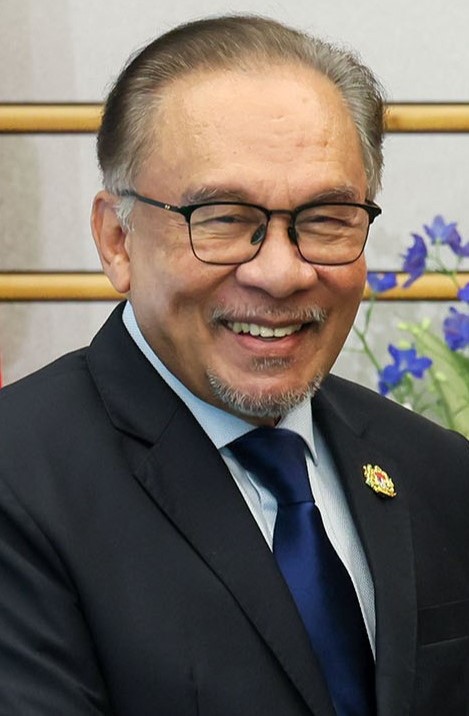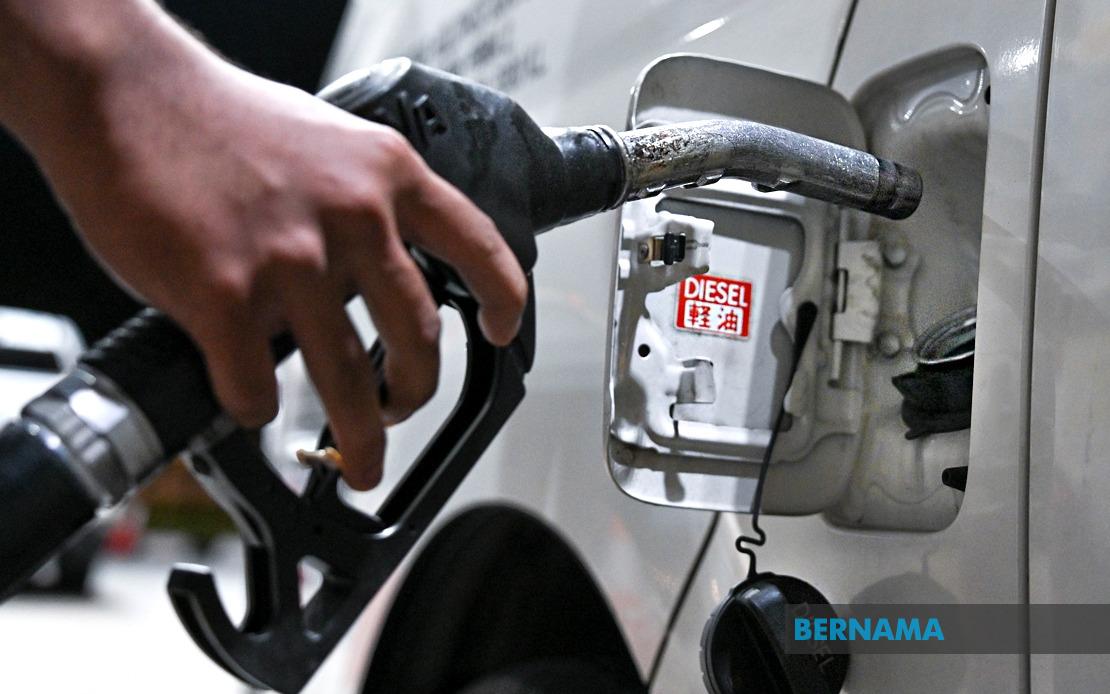
The Malaysian government's decision to lower subsidised diesel prices to RM2.10 per litre starting in July represents a tangible outcome of the economic restructuring initiatives that Prime Minister Datuk Seri Anwar Ibrahim's administration has pursued since taking office. Datuk Mustapha Sakmud, the Minister in the Prime Minister's Department overseeing Sabah and Sarawak affairs, characterised the price reduction as evidence that policy reforms designed to deliver more direct benefits to ordinary citizens are beginning to gain traction, particularly as the government continues grappling with inflationary pressures and volatile global energy markets.
The diesel price cut arrives at a delicate moment for Malaysia's energy sector and broader economy. Global geopolitical tensions, particularly ongoing conflict in West Asia, have created considerable uncertainty across international oil markets and prompted countries worldwide to reassess their energy strategies. Within this context, Malaysia faces the dual challenge of maintaining affordable fuel prices for its citizens while simultaneously ensuring long-term energy security without unsustainable fiscal commitments. The government's approach reflects recognition that energy affordability directly impacts transportation costs, which in turn cascades through supply chains affecting everything from food prices to logistics expenses that ultimately reach consumers.
Central to the government's new pricing framework is the implementation of targeted subsidies verified through MyKad identification. Rather than applying blanket subsidies to all diesel sold across the country regardless of purchaser, this mechanism restricts discounted pricing to Malaysian citizens meeting specific eligibility criteria. This targeted approach represents a deliberate shift from historical subsidy models that, while theoretically reaching all Malaysians, often leaked value through unofficial channels and cross-border smuggling. Border communities have long exploited price differentials between Malaysia and neighbouring countries, particularly when subsidised Malaysian fuel sells significantly below international market rates, creating arbitrage opportunities that drain government resources without benefiting intended domestic consumers.
The regional pricing disparity currently illustrates why the government prioritised subsidy reform. In Peninsular Malaysia, diesel retails at the unsubsidised market rate of RM4.37 per litre, while Sabah and Sarawak residents enjoy the subsidised rate of RM2.15 per litre. This two-tier system reflects both the historical political significance of East Malaysia and the structural differences between these regions' economies and populations. The new RM2.10 price in East Malaysia represents a marginal reduction, but the significance lies in how it is allocated and controlled rather than the quantum of the decrease itself.
Mustapha emphasised that Malaysia is simultaneously strengthening energy partnerships with major producers including Russia and Turkmenistan as part of a broader energy diversification strategy. Such initiatives aim to reduce dependence on any single source and hedge against supply disruptions or price volatility. For a nation that imports a substantial portion of its energy requirements despite significant domestic production, cultivating relationships with reliable suppliers across different geopolitical regions represents prudent risk management. These diplomatic and commercial relationships take years to develop and formalize, suggesting the government is thinking beyond short-term electoral cycles when designing energy policy.
The economic reforms underlying the diesel price adjustment form part of Prime Minister Anwar Ibrahim's wider agenda to improve fiscal discipline and enhance the government's administrative efficiency. Subsidy programmes, if poorly designed or inadequately monitored, can become massive budget drains that ultimately prove counterproductive to economic stability. By restructuring how subsidies function—targeting them more precisely and building verification mechanisms into their administration—the government attempts to preserve the social safety net that subsidies provide while reducing waste and creating fiscal space for investments in education, healthcare, and infrastructure. This rebalancing matters significantly for Malaysia's long-term economic trajectory.
The BUDI MADANI RON95 (BUDI95) programme, which serves as the template for the diesel subsidy mechanism, represents the government's broader attempt to make subsidy administration more transparent and data-driven. MyKad verification creates an auditable trail of who receives subsidies, information that government agencies can analyse to identify patterns, detect fraud, and continually refine targeting criteria. Over time, such systems generate valuable intelligence about actual consumption patterns and subsidy effectiveness that can inform policy adjustments. This contrasts sharply with older systems where opacity made it nearly impossible for policymakers to understand whether subsidies actually reached their intended beneficiaries or calculate true programme costs.
For Malaysian consumers and businesses, the immediate implication of the diesel price reduction is modestly lower operating costs, particularly for transport operators and agricultural enterprises heavily dependent on fuel for machinery and distribution. Even marginal price decreases compound across thousands of journeys and transactions undertaken monthly. Taxi and bus operators, logistics companies, and agricultural producers—sectors that directly influence cost-of-living pressures on ordinary households—all benefit from reduced fuel expenses. The government's framing emphasises this cost-of-living dimension, suggesting that subsidy reform, despite its technical complexity, ultimately aims to ease financial pressures on working Malaysians.
However, the broader significance of the diesel price adjustment extends beyond immediate consumer relief. It signals that Malaysia's government is willing to undertake structural economic reforms rather than simply maintaining unsustainable spending patterns indefinitely. Such reforms often prove politically contentious because they inevitably involve trade-offs and inconvenience constituencies accustomed to blanket subsidies. That Prime Minister Anwar's administration is pursuing these changes while also winning the diesel price reduction demonstrates the government's confidence in its reform narrative and capacity to manage political risks associated with economic restructuring. Southeast Asian observers watching Malaysia's experience with subsidy reform may draw lessons for their own policymaking as energy costs and fiscal sustainability increasingly dominate regional economic discussions.