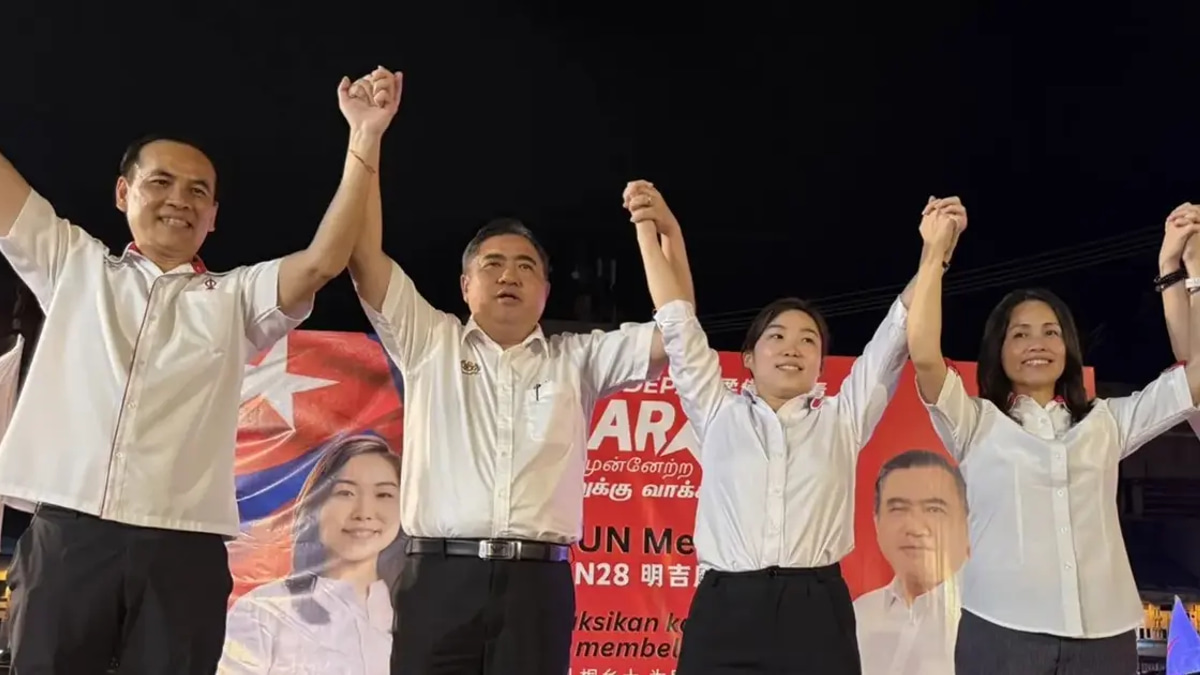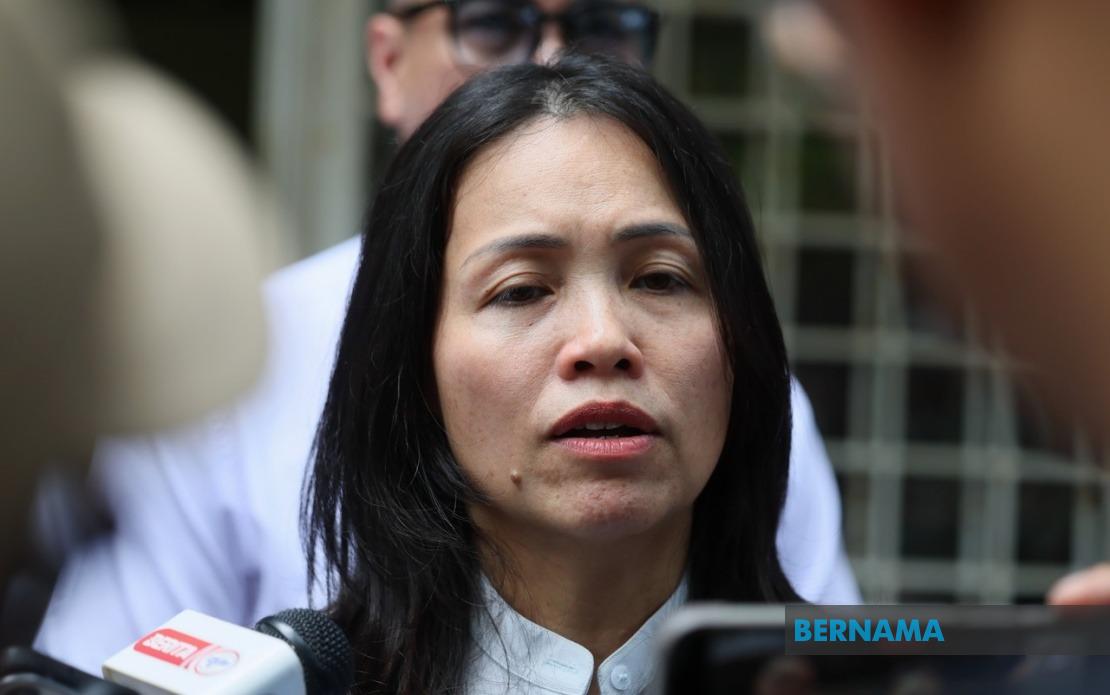
As Johor races toward its state election, party officials are sounding the alarm over what they characterise as a coordinated disinformation effort designed to sway voters through emotional manipulation rather than substantive debate. Johor DAP chairman Teo Nie Ching has publicly condemned the circulation of altered campaign posters, declaring that such tactics undermine the electoral process and betray a fundamental contempt for honest political competition.
According to Teo, activists from competing political camps have deliberately doctored images of potential DAP candidates to portray them as Muslim women wearing headscarves, a modification she argues is factually misleading and strategically calculated to exploit religious sensitivities. The manipulation of visual materials in campaign communications represents a particularly insidious form of political messaging because images circumvent rational deliberation, operating directly on viewers' emotions and preconceptions. By falsely associating non-Muslim candidates with Islamic religious symbols, the altered posters appear designed to provoke anxiety within the Chinese community, a traditionally important voting bloc for the Democratic Action Party.
The Deputy Communications Minister framed the campaign as reflecting deeper political anxieties within the opposition ecosystem. Rather than engaging with DAP's actual policy positions or track record of governance, rival parties are apparently relying on fear-mongering and identity politics to fracture the Pakatan Harapan coalition's support base. This strategy reveals the narrowing space for substantive political discourse in Malaysian elections, where symbolic representation and communal messaging often overshadow concrete economic or administrative proposals.
Teo's statement emphasised that DAP maintains principled positions on religious respect and pluralism, noting that the party recognises the headscarf's significance within Muslim communities and would never trivialise such matters for political advantage. Her comments underscore a critical distinction: criticising the weaponisation of religious symbols in misleading campaign materials differs fundamentally from disrespecting the symbols themselves. The party is essentially arguing that it is possible to reject dishonest campaigning tactics whilst simultaneously honouring the religious and cultural significance those symbols carry.
The timing of these allegations carries particular weight given Johor's political significance within Malaysia's electoral landscape. The state has historically served as a bellwether for national political trends, and control of its 56 state seats carries implications extending far beyond Johor's borders. Barisan Nasional currently holds 40 of those seats following the assembly dissolution on June 1, maintaining a commanding position but facing challenges from a fragmented opposition comprising Pakatan Harapan's 12 seats, Perikatan Nasional's three, and MUDA's solitary representative. Within this tightly contested environment, even marginal shifts in community voting patterns could reshape the balance of power.
Teo's call for voters across all communities to reject divisive campaign methods reflects broader anxieties about electoral integrity in Malaysia. The circulation of doctored materials raises questions about enforcement mechanisms within the political system and whether election authorities possess adequate tools to monitor and sanction such practices before they influence voter behaviour. The Election Commission's establishment of June 27 as nomination day and July 11 as polling day provides a compressed timeline for addressing these concerns before ballots are cast.
The incident also illuminates tensions within Malaysia's multi-communal political system, where appeals to religious identity remain potent mobilisation tools despite decades of experience with plural democracy. Rather than viewing electoral competition as an opportunity to articulate distinct visions for Johor's development, some actors apparently perceive advantage in amplifying communal anxieties and manufacturing doubt about opposition parties' commitment to religious respect. This approach treats elections as zero-sum contests rooted in identity rather than as forums for evaluating competing governance philosophies.
Teo's emphasis on the campaign's implications for women's representation adds another analytical layer to the controversy. By doctoring images to misrepresent candidates' religious identity, the smear operation simultaneously trivialises women's agency and reduces female politicians to visual symbols rather than engaging with their substantive contributions or policy positions. The manipulation of women's images for partisan purposes represents a particularly troubling intersection of gender and political ethics.
For Southeast Asian observers, the Johor situation reflects patterns visible across the region where social media proliferation and visual communication technologies have accelerated the spread of misleading campaign materials whilst complicating efforts to establish authoritative fact-checking mechanisms. Malaysia's experience with doctored campaign imagery may presage challenges other regional democracies will face as digital tools become increasingly central to political mobilisation. Responses developed now in Johor could establish templates—either positive or negative—for managing electoral integrity in an age of sophisticated image manipulation.
Looking forward, Teo's intervention suggests that opposition parties recognise the danger posed by uncontested circulation of false information and are attempting to proactively shape public understanding of campaign tactics. Whether such warnings prove sufficient to inoculate voters against emotionally resonant but factually dubious messaging remains uncertain. The Johor election will test whether Malaysian voters reward parties that campaign on policy substance whilst penalising those relying on communal fear-mongering, or whether divisive symbolism continues to outweigh governance considerations in electoral decision-making.

%22%2F%3E%3C%2Fpattern%3E%3C%2Fdefs%3E%3Crect%20width%3D%22100%25%22%20height%3D%22100%25%22%20fill%3D%22url(%23ph21o2sg)%22%2F%3E%3Crect%20width%3D%22100%25%22%20height%3D%22100%25%22%20fill%3D%22url(%23ph21o2sp)%22%2F%3E%3Ctext%20x%3D%2250%25%22%20y%3D%2250%25%22%20text-anchor%3D%22middle%22%20dominant-baseline%3D%22central%22%20fill%3D%22rgba(255%2C255%2C255%2C0.95)%22%20font-family%3D%22Georgia%2C%20'Times%20New%20Roman'%2C%20serif%22%20font-weight%3D%22700%22%20font-size%3D%22170%22%20letter-spacing%3D%22-0.02em%22%3EGabungan%3C%2Ftext%3E%3C%2Fsvg%3E)