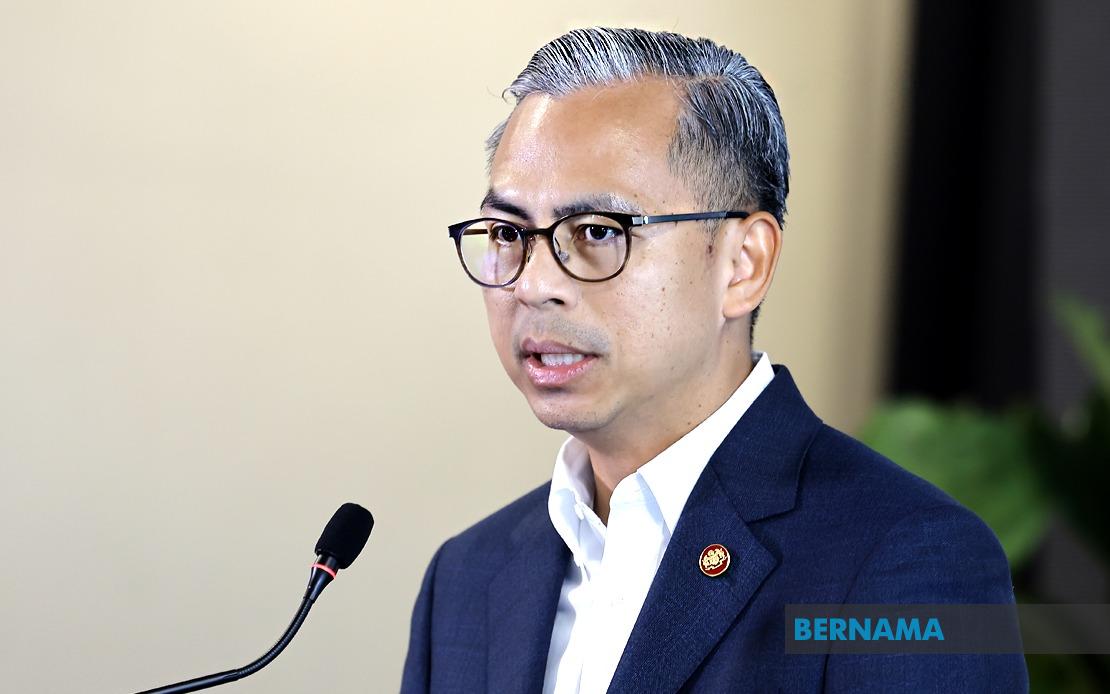
Communications Minister Datuk Fahmi Fadzil will receive Penang's most prestigious state honour, the Darjah Panglima Pangkuan Negeri (DPPN), which grants the Datuk Seri title, making him the sole recipient of this distinction this year. The award is being conferred as part of an expansive investiture ceremony honouring the 85th birthday of Penang Governor Tun Ramli Ngah Talib, with a total of 1,221 individuals receiving various state honours, awards and medals. As the Unity Government spokesperson, Fahmi's elevation reflects his prominence in the current federal administration and his contributions to national communications policy.
Beyond Fahmi's singular honour, the Penang state government has bestowed the Darjah Gemilang Pangkuan Negeri (DGPN), which also carries the Datuk Seri designation, upon 19 individuals. This tier represents substantial recognition within the honours system. The recipients include Chief Judge of Malaya Datuk Seri Hashim Hamzah, whose appointment to this honour underscores the state's recognition of judicial contributions at the highest level. MARA Incorporated Sdn Bhd chairman Datuk Abdul Halim Mohammad and Invest Penang chief executive officer Datuk Loo Lee Lian were similarly recognised, reflecting the state's acknowledgement of roles in economic development and business facilitation.
Corporate and business figures feature prominently among the DGPN recipients, indicating Penang's ongoing emphasis on recognising private sector contributions to the state's economy. Pelita Samudra Pertama (M) Sdn Bhd managing director Tan Sri D. Murugan, Menara Rezeki Sdn Bhd managing director Datuk Saiful Nizam Mohd Yusoff, and M Summit Group chairman Datuk Moh See Eng join the distinguished list. This pattern suggests the state government views honouring business leaders as integral to maintaining investor confidence and recognising entrepreneurial achievement within Penang's competitive economic landscape.
The honours structure extends to nine recipients of the Darjah Yang Mulia Pangkuan Negeri (DMPN) and 72 others receiving the Darjah Setia Pangkuan Negeri (DSPN), both ranks conferring the Datuk title. The DMPN recipients include Datuk Azizee Ismail, the former Penang police chief, whose honour acknowledges long service in law enforcement and public security. UEM Group Bhd managing director Datuk Amran Hafiz Affifudin's inclusion reflects the state's recognition of contributions from major infrastructure and transport-related organisations operating within its jurisdiction.
Among the DSPN tier, recognition extends to deceased film industry figure Nordin Ahmad, whose posthumous award honours his considerable contributions to Malaysian cinema through Cathay-Keris Film Productions. The inclusion of cultural and creative figures demonstrates that Penang's honours system extends beyond government, business, and security sectors to encompass the arts and entertainment. Additionally, Datuk Meor Ismail Meor Akim, director-general of the National Disaster Management Agency (NADMA), receives recognition for his role in national resilience and emergency preparedness—areas of growing importance across Southeast Asia.
Public and semi-public sector figures constitute a significant proportion of the DSPN recipients. Bank Rakyat chairman Datuk Mohd Irwan Mohd Mubarak's inclusion recognises the institution's role in microfinance and financial inclusion for ordinary Malaysians. Penang Development Corporation (PDC) CEO Abdul Latiff Abd Aziz and SRS Projek Transit Aliran Ringan (LRT) Sdn Bhd project director Adil Putra Ahmad receive honours for their involvement in the state's infrastructure and urban development initiatives. Deputy State Secretary (Development) Mohamed Abdul Rahman's recognition reflects the administrative backbone supporting Penang's governance and development agenda.
Beyond the elite tiers, a broader recognition framework distributes honours across multiple categories. Ninety-two individuals will receive the Darjah Johan Negeri, whilst 31 recipients secure the Bintang Cemerlang Negeri. These midrange honours acknowledge contributions from a wider cross-section of society. The Pingat Kelakuan Terpuji (Exemplary Conduct Medal) honours 194 individuals, the Pingat Jasa Kebaktian (Service Medal) recognises 328, and the Pingat Jasa Masyarakat (Community Service Medal) recipients number 463. A final 12 individuals receive the Pingat Bakti Setia (Loyal Service Medal), ensuring recognition across diverse domains and experience levels.
The investiture ceremony will unfold across four consecutive days, commencing on July 11 and continuing through July 13 to 15, according to Penang State Legislative Assembly Speaker and State Government Official Ceremonies Committee chairman Datuk Seri Law Choo Kiang. This extended timeline reflects the logistical complexity of honouring over a thousand individuals while maintaining ceremonial dignity. Of the total 1,221 recipients, 101 individuals will receive state honours proper, whilst the remaining 1,120 will receive various awards and medals of merit, demonstrating the hierarchical structure within Penang's recognition system.
The composition of recipients spans multiple sectors and social domains. The honoured individuals include members of the state and federal civil services, politicians, corporate executives, representatives from non-governmental organisations, local entrepreneurs, and members of voluntary bodies. This inclusive approach reflects Penang's positioning as a state that values contribution across multiple spheres—from governance and business to community service and volunteerism. The breadth of recognition suggests the state government's recognition that economic and social progress emerges from coordinated effort across both public and private domains.
The scale and scope of Penang's honours system carries implications for how Malaysian state governments recognise achievement and contribution. As a progressive state with significant economic importance—home to manufacturing clusters, technology parks, and a substantial tourism sector—Penang's choices regarding whom to honour signal societal values and priorities. The emphasis on business figures and infrastructure developers reflects the state's continued commitment to economic growth, whilst the inclusion of cultural figures, civil servants, and voluntary workers indicates a balanced appreciation of society's diverse contributors. For Malaysian observers and Southeast Asian policymakers, Penang's honours system exemplifies how regional governments can use ceremonial recognition to reinforce development priorities whilst maintaining social cohesion through inclusive acknowledgement of diverse contributions.

