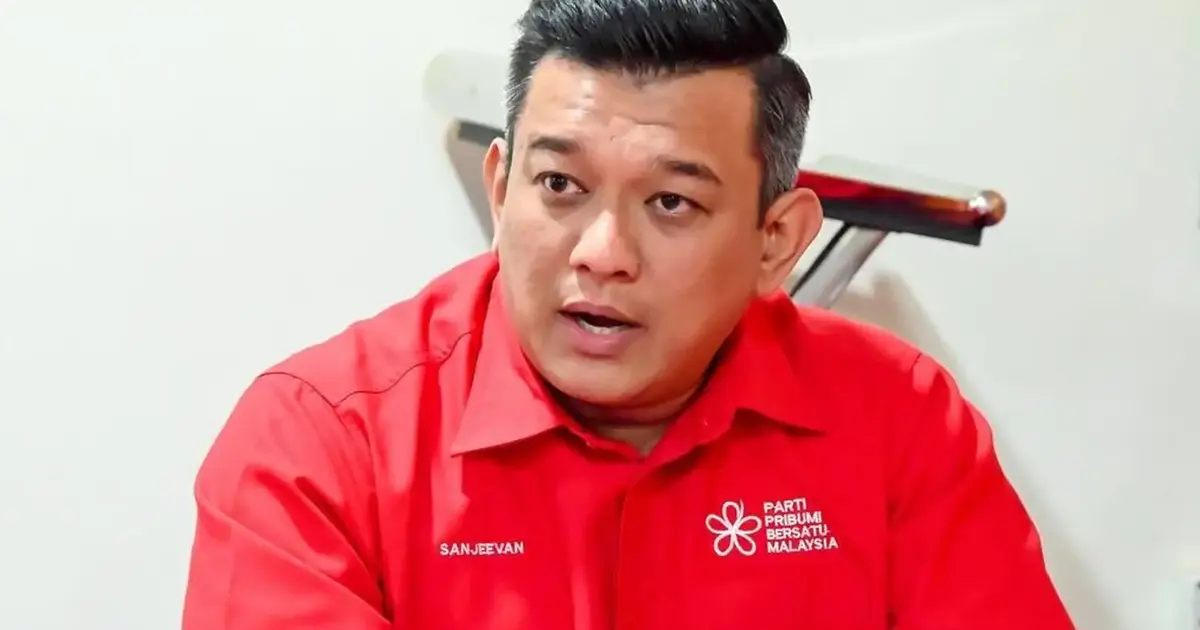
Bersatu's leadership has appealed to party members to maintain faith in the direction of the organisation during a period marked by political friction within the Perikatan Nasional coalition. The call for steadiness comes as the party manages fallout from strained relations with its primary ally, Parti Islam Se-Malaysia, which has resulted in significant personnel changes at the upper echelons of the opposition bloc.
The removal of Azmin Ali and Radzi Jidin from their positions within the Perikatan Nasional structure represents one of the most visible consequences of deteriorating working relationships between the two parties. These departures signal deeper rifts within the coalition that have accumulated over time, reflecting divergent strategic interests and policy priorities that leaders have struggled to reconcile. For Bersatu members, the sudden loss of prominent figures they had known in senior roles raises questions about the stability of the party's political future and its ability to function effectively within the broader opposition alliance.
The tension between Bersatu and PAS extends beyond personalities and touches on fundamental questions about power-sharing, resource allocation, and the direction the Perikatan Nasional bloc should take. Each party brings distinct ideological commitments and voter bases to the coalition, and these differences have increasingly manifested in disagreements over strategy and leadership appointments. As the coalition attempts to position itself as a credible alternative to the ruling Pakatan Harapan government, internal cohesion has become more difficult to maintain.
Azmin Ali, who held significant influence within Perikatan Nasional, has long been a central figure in Malaysian opposition politics, commanding respect across multiple party structures. His removal suggests that high-profile individuals are not immune to the political dynamics reshaping the coalition, and that PAS's growing assertiveness within the bloc may be redefining traditional hierarchies. Radzi Jidin's departure alongside Azmin's underscores that the shake-up affects multiple tiers of the party's leadership network.
For Malaysian voters monitoring opposition politics, these developments carry weight beyond internal party management. The Perikatan Nasional was positioned as an alternative governing coalition capable of providing checks against the current administration. When the coalition's main components experience visible friction and leadership reshuffles, it raises legitimate concerns about whether such an arrangement could function effectively in government. The public nature of these removals means they cannot be easily contained within party structures and will inevitably shape how ordinary Malaysians perceive the coalition's viability.
Bersatu's request for members to maintain confidence in party leadership reflects a classic challenge facing any organisation experiencing internal stress: how to prevent public discord from metastasising into broader membership disquiet. Leaders recognise that visible faction-building or member defections could accelerate the deterioration already evident at the top. By appealing for calm and trust, the party is attempting to establish a holding pattern that allows time for relationships with PAS to be repaired or redefined without triggering cascading departures from lower ranks.
The dynamic between Bersatu and PAS cannot be understood in isolation from the broader Malaysian political landscape. PAS has been steadily consolidating power within the Perikatan Nasional structure, capitalising on its strong performance in recent elections and its ability to mobilise voter blocs in critical states. Bersatu, while still significant, finds itself in the position of a secondary partner, which may explain why its senior members are subject to removal while the party seeks to absorb this reality without fracturing. This power imbalance is likely to persist unless Bersatu substantially improves its electoral standing or PAS moderates its assertiveness.
Southeast Asian observers of Malaysian politics will note that coalition dynamics of this type create opportunities for the incumbent government to exploit opposition disunity. Pakatan Harapan leadership can leverage media coverage of these tensions to undermine perceptions of the opposition's readiness to govern, while also potentially approaching individual opposition figures with offers of accommodation or support. The removal of Azmin Ali and Radzi Jidin may be calculated moves within Perikatan Nasional, but they also create openings for political manoeuvres by the government and could influence how these figures approach their roles in parliament and state assemblies.
The timing and messaging of Bersatu's appeal to members will prove consequential. If the party can quickly move past this episode and demonstrate continued organisational coherence, the impact may be contained. However, if tensions with PAS continue to escalate or if further high-profile figures are removed from positions, the credibility of appeals for calm will diminish. Members will need tangible evidence that their party retains meaningful influence within the coalition and that party leadership is actively addressing the grievances that have prompted these changes.
Moving forward, Bersatu faces the challenge of redefining its role within the Perikatan Nasional coalition in light of PAS's strengthened position. Whether this involves accepting a more subordinate arrangement, negotiating fresh power-sharing agreements, or ultimately reassessing the viability of the coalition altogether remains unclear. What is certain is that these internal adjustments will continue to ripple through Malaysian opposition politics, shaping electoral strategies, policy discussions, and the broader contest for power between competing visions of national governance.

%22%2F%3E%3C%2Fpattern%3E%3C%2Fdefs%3E%3Crect%20width%3D%22100%25%22%20height%3D%22100%25%22%20fill%3D%22url(%23ph21o2sg)%22%2F%3E%3Crect%20width%3D%22100%25%22%20height%3D%22100%25%22%20fill%3D%22url(%23ph21o2sp)%22%2F%3E%3Ctext%20x%3D%2250%25%22%20y%3D%2250%25%22%20text-anchor%3D%22middle%22%20dominant-baseline%3D%22central%22%20fill%3D%22rgba(255%2C255%2C255%2C0.95)%22%20font-family%3D%22Georgia%2C%20'Times%20New%20Roman'%2C%20serif%22%20font-weight%3D%22700%22%20font-size%3D%22170%22%20letter-spacing%3D%22-0.02em%22%3EGabungan%3C%2Ftext%3E%3C%2Fsvg%3E)