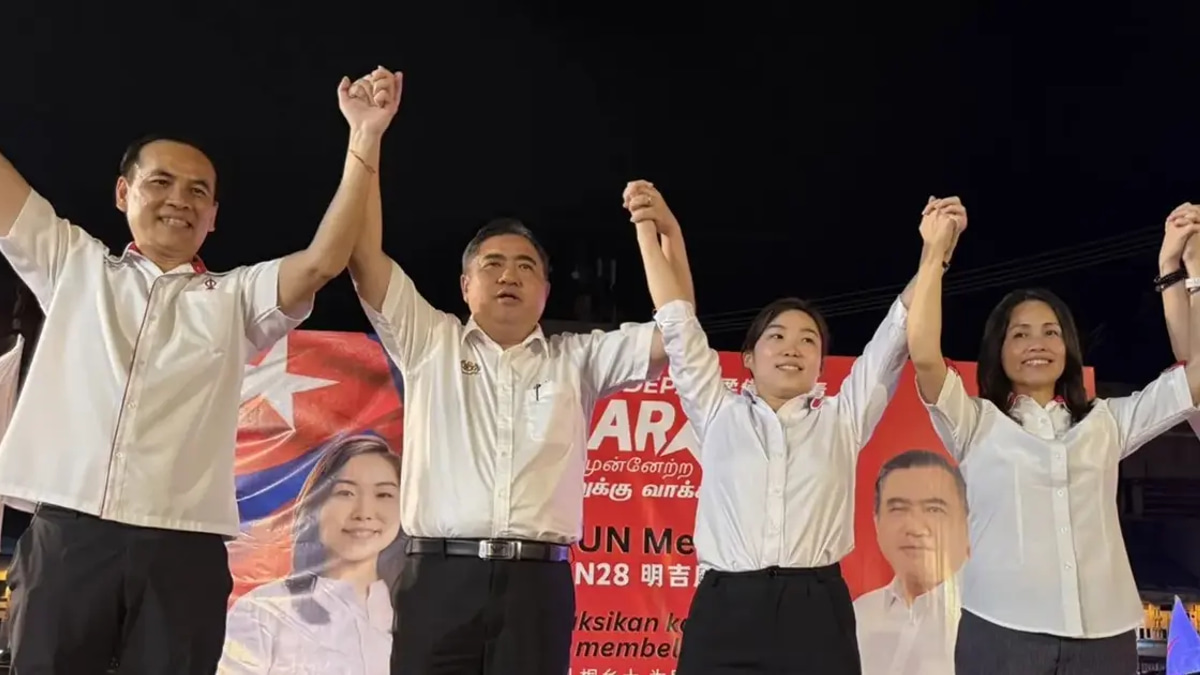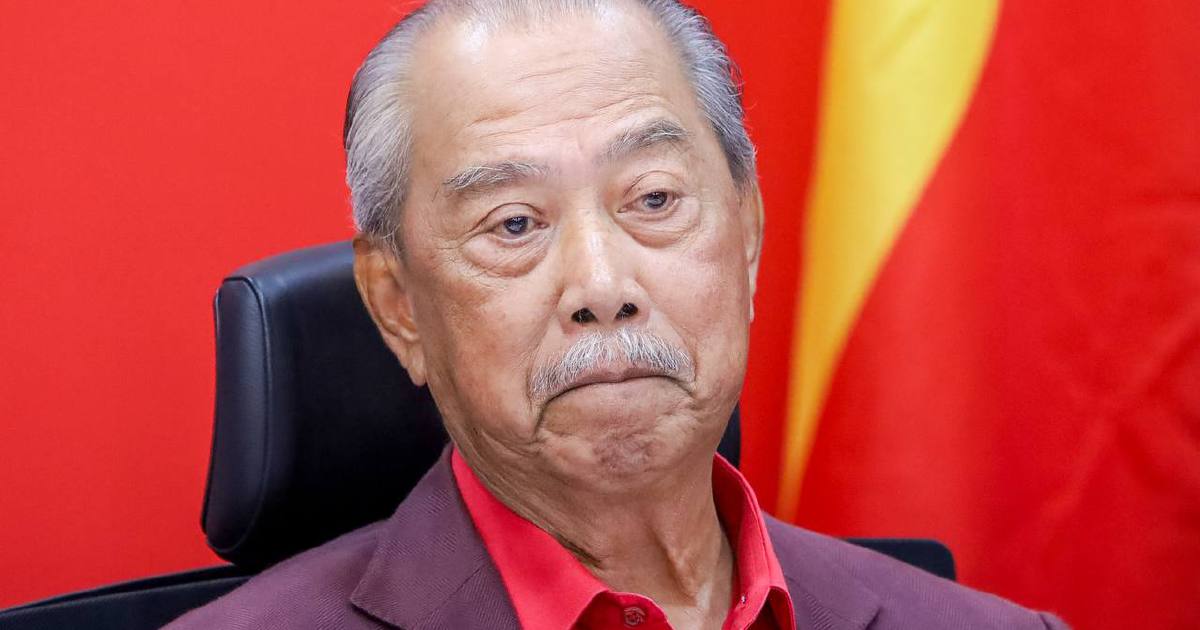
Parti Pribumi Bersatu Malaysia has reaffirmed its commitment to the Perikatan Nasional coalition, with party president Tan Sri Muhyiddin Yassin announcing that the faction will field candidates in the upcoming Johor and Negri Sembilan state elections under the PN banner. The declaration marks a decisive moment for the opposition-aligned coalition as it prepares for electoral contests in two significant peninsular states, signalling internal stability within an alliance that has faced periodic tensions over strategy and resource allocation.
The confirmation from Muhyiddin carries weight given Bersatu's pivotal position within PN's broader political architecture. As one of the coalition's founding members, Bersatu brings organisational capacity and grassroots networks that remain essential to PN's electoral machinery. The party's decision to utilise the coalition symbol rather than contest independently or under alternative arrangements underscores the leadership's calculation that collective branding offers greater electoral leverage than fragmentation would permit, particularly in states where PN seeks to challenge the ruling coalitions at both state and federal levels.
Johor represents particularly significant electoral terrain, given its status as a demographic and economic heavyweight with the country's second-largest population. The state has traditionally been a stronghold of United Malays National Organisation influence, though PN's performance in previous contests has demonstrated growing competitiveness in certain constituencies. Negri Sembilan, meanwhile, presents a more fluid political landscape where coalition performance has been less predictable, offering opportunities for electoral gains if PN can consolidate its messaging and candidate selection effectively. Both states will provide crucial testing grounds for the coalition's ability to translate national-level support into tangible state-level representation.
Muhyiddin's statement provides clarity after months of speculation regarding potential shifts in coalition alignments or strategic repositioning ahead of state-level polls. Political observers have closely watched intra-coalition dynamics, particularly regarding resource distribution and candidate selection processes that frequently generate friction among alliance members. By publicly committing to the PN logo, Bersatu's leadership preempts suggestions of autonomous action and demonstrates to coalition partners that internal disagreements, if they exist, remain secondary to broader electoral objectives.
The timing of the announcement reflects mounting electoral pressure as state election schedules crystallise. PN has invested substantially in positioning itself as a credible alternative to incumbent coalitions in multiple states, and the consistency of its alliance structure affects voter perception of institutional coherence and long-term governance viability. Bersatu's reaffirmation therefore serves multiple audiences simultaneously: party members requiring reassurance of PN commitment, coalition partners seeking stability guarantees, and potential voters evaluating whether PN represents a sustainable political force or a temporary alignment of convenience.
Bersatu's trajectory since its establishment has been marked by strategic flexibility, having previously aligned with Pakatan Harapan before shifting toward PN configuration. This history contextualises the significance of Muhyiddin's current statement, as it suggests the party leadership has determined that PN offers optimal positioning for maximising electoral prospects and maintaining political relevance. The party's base, comprising substantial numbers of Malay and Bumiputera voters, overlaps considerably with PN's core demographic appeal, creating natural affinity that extends beyond mere transactional coalition mechanics.
The electoral dynamics in both Johor and Negri Sembilan will test whether PN can translate heightened political activity into concrete seat gains. Success in either or both states would strengthen the coalition's negotiating position within the broader national political ecosystem, potentially creating momentum for future contests or legislative manoeuvring at federal level. Conversely, disappointing results could intensify internal pressures and reignite questions about coalition viability that Muhyiddin's current declaration seeks to resolve.
For Malaysian voters in these states, Bersatu's participation under the PN banner provides clearer opposition framework within which to evaluate electoral choices. The decision eliminates complications arising from contested symbols or confusing messaging that might arise from parties pursuing simultaneous or independent campaigns. Whether this clarity translates into enhanced voter engagement or turnout remains uncertain, though historical patterns suggest that consolidated opposition messaging generally facilitates stronger mobilisation than fragmented approaches.
The broader implications extend to Perikatan Nasional's ongoing efforts to establish itself as a coherent political formation capable of contesting national governance. Internal unity, however tenuous or strategic in motivation, projects an image of institutional functionality that voters considering alternatives to incumbent coalitions may view as reassuring. Bersatu's commitment, announced with characteristic clarity by Muhyiddin, contributes to this narrative of alliance solidity even as Malaysian political analysts remain cognisant that coalition configurations have historically proven malleable and contingent upon electoral mathematics and internal power calculations.

%22%2F%3E%3C%2Fpattern%3E%3C%2Fdefs%3E%3Crect%20width%3D%22100%25%22%20height%3D%22100%25%22%20fill%3D%22url(%23ph21o2sg)%22%2F%3E%3Crect%20width%3D%22100%25%22%20height%3D%22100%25%22%20fill%3D%22url(%23ph21o2sp)%22%2F%3E%3Ctext%20x%3D%2250%25%22%20y%3D%2250%25%22%20text-anchor%3D%22middle%22%20dominant-baseline%3D%22central%22%20fill%3D%22rgba(255%2C255%2C255%2C0.95)%22%20font-family%3D%22Georgia%2C%20'Times%20New%20Roman'%2C%20serif%22%20font-weight%3D%22700%22%20font-size%3D%22170%22%20letter-spacing%3D%22-0.02em%22%3EGabungan%3C%2Ftext%3E%3C%2Fsvg%3E)