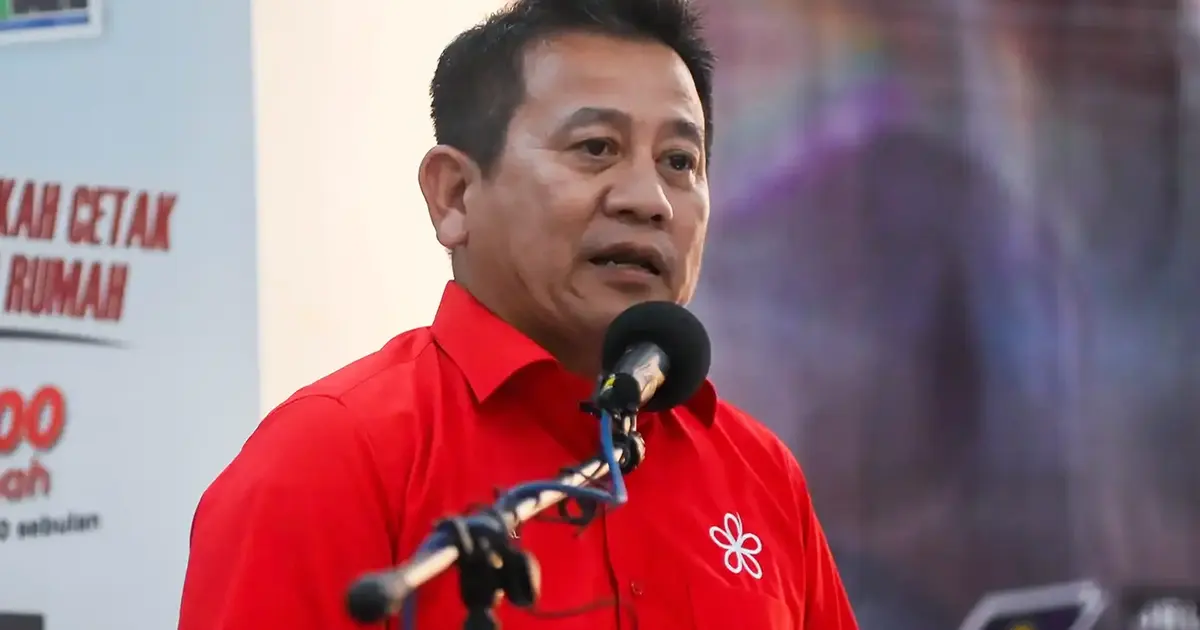
Tun Faisal Ismail Aziz, the information chief of Bersatu, has openly criticised PAS for what he characterises as an authoritarian consolidation of power within the Perikatan Nasional coalition, following the latest round of internal restructuring. His comments reflect growing tensions between the two major components of the opposition bloc, signalling deepening fractures within an alliance that has positioned itself as the primary challenger to the Pakatan Harapan government.
The dispute centres on how leadership positions and organisational influence have been distributed in recent coalition adjustments. Tun Faisal's allegations suggest that PAS, which holds substantial parliamentary representation and considerable grassroots infrastructure, has used the reshuffle mechanism to entrench its dominance across key decision-making bodies and policy-setting functions. The timing of these complaints is significant, coming at a juncture when Perikatan Nasional is attempting to present itself as a unified alternative government capable of commanding confidence in Parliament and among voters.
PAS's approach to consolidation reflects its position as the largest Perikatan Nasional component by seats and membership. The Islamic Party has leveraged its electoral strength to advance organisational changes that advantage its cadre members and ideological direction, according to Tun Faisal's narrative. This dynamic illustrates a fundamental imbalance within the coalition structure, where numerical superiority translates into institutional leverage that smaller partners struggle to counterbalance or negotiate around effectively.
For Bersatu, which has experienced its own internal turbulence and organisational challenges, the current restructuring appears as a missed opportunity to restore equilibrium within the alliance. Bersatu entered Perikatan Nasional with significant parliamentary representation and claims to represent moderate Malay-Muslim interests. However, subsequent shifts—including defections and leadership transitions—have eroded its relative standing, making it increasingly susceptible to influence by more cohesive partners such as PAS.
Tun Faisal's public articulation of these concerns marks an escalation in intra-coalition messaging. Rather than resolving grievances through backroom negotiations typical of coalition management, the information chief has chosen a more confrontational public stance. This approach risks widening existing fault lines and could invite reciprocal criticisms from PAS, potentially destabilising the apparent unity that coalitions require to project governmental credibility.
The broader context involves the ongoing political reconfiguration across Malaysia's parliamentary landscape. Perikatan Nasional emerged as a significant force following the 2020 government transition and has consolidated itself as an electoral bloc capable of contesting for federal power. However, internal governance tensions—exemplified by the current PAS-Bersatu friction—underscore the inherent instability of multi-party coalitions built primarily on opposition to governing coalitions rather than shared programmatic vision.
PAS's strategy of organisational centralisation also reflects its ideological objectives. As a party committed to advancing Islamic governance frameworks, PAS has sought to position itself as the ideological vanguard within Perikatan Nasional. By consolidating institutional control through the reshuffle, PAS simultaneously advances its organisational interests and its broader religio-political agenda, creating mutual reinforcement between structural dominance and ideological direction-setting.
For Malaysian voters and observers tracking opposition coalition dynamics, these disputes carry implications for how prospective alternative governments would function. Coalition instability at the organisational level raises questions about whether Perikatan Nasional could govern effectively if given electoral mandate. Internal power struggles, resource allocation disputes, and ideological tensions would likely persist across ministerial portfolios and policy implementation, potentially compromising governmental effectiveness.
Bersatu's willingness to air grievances publicly also reflects its weakened negotiating position within the coalition architecture. Smaller or declining partners often resort to public pressure when internal mechanisms fail to deliver acceptable outcomes. This tactical choice exposes coalition vulnerability while simultaneously attempting to rally support among constituencies sympathetic to Bersatu's more moderate positioning on Islamic governance questions—a distinction Bersatu has attempted to maintain relative to PAS.
The reshuffle dispute also touches on resource distribution and patronage networks critical to coalition cohesion. Control over committee assignments, ministerial representations, and appointment powers determines both immediate benefits to individual party members and longer-term influence over policy directions. Tun Faisal's complaints suggest that Bersatu members have received unfavourable allocations in these regards, disadvantaging the party's ability to reward loyalists and attract new recruits.
Moving forward, the trajectory of PAS-Bersatu relations will significantly influence Perikatan Nasional's viability as a governing alternative. Coalitions require mechanisms for managing member disputes while preserving public unity. Should these tensions escalate unchecked, they risk undermining the bloc's electoral appeal and governmental credibility—ultimately benefiting the incumbent Pakatan Harapan coalition by presenting a less coherent opposition option to voters considering alternatives.

%22%2F%3E%3C%2Fpattern%3E%3C%2Fdefs%3E%3Crect%20width%3D%22100%25%22%20height%3D%22100%25%22%20fill%3D%22url(%23ph21o2sg)%22%2F%3E%3Crect%20width%3D%22100%25%22%20height%3D%22100%25%22%20fill%3D%22url(%23ph21o2sp)%22%2F%3E%3Ctext%20x%3D%2250%25%22%20y%3D%2250%25%22%20text-anchor%3D%22middle%22%20dominant-baseline%3D%22central%22%20fill%3D%22rgba(255%2C255%2C255%2C0.95)%22%20font-family%3D%22Georgia%2C%20'Times%20New%20Roman'%2C%20serif%22%20font-weight%3D%22700%22%20font-size%3D%22170%22%20letter-spacing%3D%22-0.02em%22%3EGabungan%3C%2Ftext%3E%3C%2Fsvg%3E)