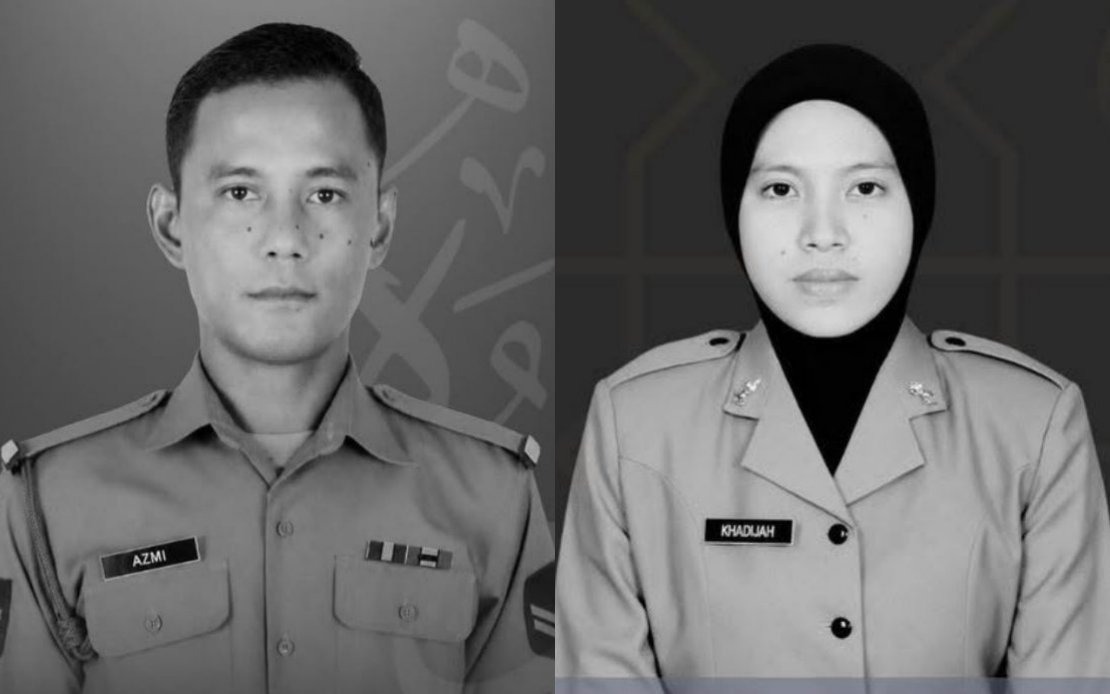
The Malaysian Army has identified two personnel who lost their lives in an explosion that occurred during grenade-throwing instruction at the Hobart Camp shooting range in Gurun, Kedah on June 16. The victims have been named as Corporal Norazmi Abu Bakar, attached to the 6th Battalion, Royal Malay Regiment, and Private Siti Khadijah Sungip, serving with the 1st Squadron, Royal Army Engineers Regiment. Both sustained critical injuries in the blast that took place at 10.57 am and subsequently died en route to Sultan Abdul Halim Hospital in Sungai Petani.
The fatal incident unfolded as the two soldiers participated in the RAJD Combat Enhancement Training programme, which falls under the instruction and supervision of the 2nd Infantry Division. This type of hands-on explosive training is a standard component of military instruction in most armed forces globally, designed to ensure personnel develop proficiency in weapon systems and tactical procedures. However, the programme's continuation will likely come under heightened scrutiny following this tragedy, as military leadership grapples with the balance between operational readiness and personnel safety.
General Tan Sri Azhan Md Othman, the Army Chief, has ordered an immediate and comprehensive investigation to establish the precise circumstances that led to the fatal blast. Such investigations are critical not only for understanding what went wrong in this specific instance but also for identifying systemic weaknesses that may exist across training protocols. The fact that senior military leadership has prioritised swift action suggests the gravity with which the institution views this incident and the importance of preventing similar tragedies in the future.
The General has also conveyed sincere condolences to the families of the deceased personnel, acknowledging the profound loss they must now bear. For military families in Malaysia, deaths during training operations carry a particular emotional weight, as they occur not in active duty but during preparation and peacetime instruction. The loss of two trained soldiers also represents a depletion of expertise and institutional knowledge within their respective units, particularly in the case of Private Siti Khadijah Sungip, whose engineering background would have contributed specialised capabilities to her regiment.
The remains of both soldiers will undergo post-mortem examination at Sultanah Bahiyah Hospital in Alor Setar, a standard procedure that will provide medical examiners with forensic data about the nature and severity of injuries sustained. This examination process, though difficult for bereaved families, serves the dual purpose of providing closure and generating technical information that may prove invaluable to the investigation team. Forensic findings often reveal whether the incident resulted from equipment malfunction, procedural error, or other contributing factors.
In response to the tragedy, the Army has committed to a comprehensive review of all training safety measures across its operations. This assurance reflects international best practices in military organisations, where continuous improvement of safety protocols represents a core responsibility of command structures. Given the high-risk nature of explosive ordnance training, such reviews typically examine everything from equipment maintenance schedules to instructor qualifications, participant briefing procedures, and emergency response protocols. The depth of this review will largely determine whether this incident prompts meaningful systemic changes or merely surface-level modifications.
For Malaysian military observers and defence analysts, this incident highlights the inherent risks present in military training environments, particularly when handling explosives and live ammunition. While such training is essential for maintaining operational capability and soldier proficiency, it demands rigorous adherence to safety standards and constant vigilance from supervisory personnel. The incident raises questions about whether existing safety protocols were adequate or whether additional measures might have prevented this tragedy.
The deaths also underscore the diverse composition of Malaysia's armed forces, with both male and female personnel serving across different combat and support roles. Private Siti Khadijah Sungip's involvement in engineering training demonstrates the expanded roles women now occupy within the military hierarchy, and her loss represents a significant contribution to her regiment. This broader representation of women in the Malaysian armed forces, while progressing, remains a relatively recent development within the institution.
From a regional perspective, military training accidents remain a persistent challenge across Southeast Asian armed forces, reflecting the difficult balance between maintaining readiness and ensuring personnel safety. Neighbouring countries have experienced similar tragic incidents in recent years, and the manner in which militaries respond—through transparent investigations, meaningful protocol reforms, and genuine commitment to prevention—often shapes public confidence in defence institutions. The Malaysian Army's swift identification of victims and promise of thorough investigation represents a positive step in this direction, though the real test will lie in the substantive changes that emerge from the investigation findings.

%22%2F%3E%3C%2Fpattern%3E%3C%2Fdefs%3E%3Crect%20width%3D%22100%25%22%20height%3D%22100%25%22%20fill%3D%22url(%23ph21o2sg)%22%2F%3E%3Crect%20width%3D%22100%25%22%20height%3D%22100%25%22%20fill%3D%22url(%23ph21o2sp)%22%2F%3E%3Ctext%20x%3D%2250%25%22%20y%3D%2250%25%22%20text-anchor%3D%22middle%22%20dominant-baseline%3D%22central%22%20fill%3D%22rgba(255%2C255%2C255%2C0.95)%22%20font-family%3D%22Georgia%2C%20'Times%20New%20Roman'%2C%20serif%22%20font-weight%3D%22700%22%20font-size%3D%22170%22%20letter-spacing%3D%22-0.02em%22%3EGabungan%3C%2Ftext%3E%3C%2Fsvg%3E)