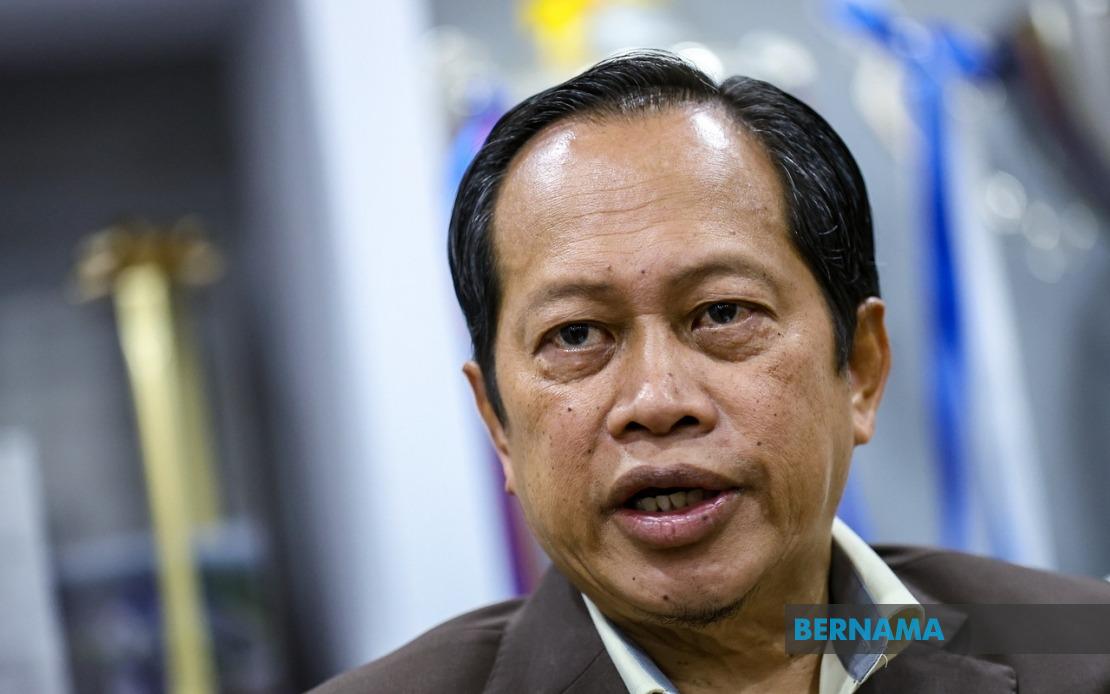
Senior United Malays National Organisation (UMNO) figure Datuk Seri Dr Ahmad Maslan has put to rest weeks of speculation about his political future in Johor by publicly confirming his decision not to contest in the state election scheduled for July 11. The Johor Barisan Nasional deputy chairman and Deputy Works Minister made the announcement during a working visit to the Johor Public Works Department in Iskandar Puteri on June 15, effectively closing the chapter on persistent rumours linking him to multiple state seats within his Pontian parliamentary constituency.
Ahmad's decision resolves uncertainty that had circulated within political circles regarding whether the senior minister would pursue either the Benut or Pulai Sebatang state seats, both located within the Pontian parliamentary division he represents. Rather than seeking a direct electoral mandate at the state level, the veteran politician has chosen to redirect his efforts toward what he characterises as a supportive and coordinating role for the broader coalition effort. This strategic repositioning reflects a deliberate calculation about where he can exercise maximum influence during the critical state campaign period.
The minister's withdrawal from the contest stands in stark contrast to the typical trajectory of senior federal lawmakers during state elections, many of whom use such polls as springboards to consolidate regional power bases or strengthen their hand within party structures. By electing not to run, Ahmad effectively signals confidence in the broader slate of candidates that Barisan Nasional and UMNO have selected for Johor, while simultaneously ensuring he remains unencumbered by the intensive local demands that a state seat candidacy would entail. This allows him to operate at a higher strategic level during what is shaping as a competitive election.
Ahmad emphasised that his decision represents a deliberate choice to create space for emerging political talent. In his statement to reporters, he explicitly indicated that stepping aside would provide opportunities for other party members to contest in both constituencies, a framing that suggests internal party discussions had identified suitable alternative candidates for these particular seats. This rhetoric of generational renewal aligns with broader themes within UMNO and BN regarding the need to refresh candidate rosters and integrate newer party members into electoral contests.
The timing of Ahmad's announcement carries significance within the broader election calendar. With nomination day set for June 27, just twelve days after his public statement, his early confirmation prevented any last-minute confusion within party structures about candidacy arrangements. The Election Commission had already established the complete electoral timeline: nomination day on June 27, early voting on July 7, and polling day on July 11. This structured sequence left limited window for internal party negotiations, making Ahmad's definitive announcement particularly valuable for UMNO's campaign planning.
Ahmad's continued prominence within the coalition campaign machinery, despite standing back from direct electoral competition, underscores an important distinction in Malaysian politics between formal electoral positions and informal networks of influence. As Johor BN deputy chairman, he occupies a coordinating position that typically involves campaign strategy, candidate support, voter mobilisation oversight, and liaison between federal and state-level party structures. These responsibilities often prove as consequential as holding a state assembly seat, particularly during closely contested elections where margin of victory matters significantly.
The Pontian MP's role as Deputy Works Minister also positions him to direct resources and implementation attention toward infrastructure projects that may benefit specific constituencies during the campaign period. This capacity to oversee public works spending, even without standing as a state candidate, represents a substantial form of political leverage that many lawmakers leverage to boost coalition performance in their regions. Ahmad's decision not to contest thus does not substantially diminish his practical ability to influence electoral outcomes in Johor.
From a coalition perspective, Ahmad's withdrawal from direct candidacy may reflect confidence in Barisan Nasional's competitive position in Johor. Unlike situations where senior figures feel compelled to contest personally to rescue weak campaigns, his stepping back suggests the coalition believes it can achieve its electoral objectives without requiring every available heavyweight candidate to run for state office. This confidence likely stems from internal polling and organisational assessments conducted during the pre-announcement period.
The broader context of Malaysian coalition politics suggests that Ahmad's decision may also reflect calculations about party balance within UMNO and BN. The competition for winnable state seats remains intense, and every significant candidacy carries implications for internal power distribution. By gracefully withdrawing, Ahmad potentially avoids the complications that might arise were he to contest and either lose or win, either scenario carrying consequences for his standing within party hierarchies. His current positioning allows him to remain above such factional contests while maintaining authority.
For the 16th Johor state election overall, Ahmad's announcement represents one data point in the larger mosaic of candidacy decisions that UMNO and coalition partners will release in coming weeks. The outcome of this election carries national significance given Johor's status as Malaysia's largest state by population and its position as a BN stronghold that the coalition must retain to maintain its governing credentials. Every senior figure's campaign role thus receives scrutiny from both party observers and electoral analysts assessing coalition strategy.
Ahmad's willingness to articulate his decision transparently, coupled with his explicit commitment to continue active involvement in the campaign, projects an image of party discipline and strategic coherence. Rather than creating appearance of marginalisation or internal discord, his announcement frames his role adjustment as a considered contribution to broader party objectives. This messaging matters significantly in Malaysian political culture, where perceptions of internal harmony and unified purpose influence voter calculations and party member morale.
Looking forward, the Deputy Works Minister's role in ensuring BN's victory in Johor will likely focus on coordination between federal and state campaign structures, candidate support and mentoring, fundraising facilitation, and strategic advice to party leadership. These responsibilities, while less visible than holding elected office, can prove decisive in determining whether BN's Johor campaign achieves its targets. Ahmad's track record as an experienced political operator suggests he approaches this responsibility with the same seriousness he would bring to contesting any particular seat.

%22%2F%3E%3C%2Fpattern%3E%3C%2Fdefs%3E%3Crect%20width%3D%22100%25%22%20height%3D%22100%25%22%20fill%3D%22url(%23ph21o2sg)%22%2F%3E%3Crect%20width%3D%22100%25%22%20height%3D%22100%25%22%20fill%3D%22url(%23ph21o2sp)%22%2F%3E%3Ctext%20x%3D%2250%25%22%20y%3D%2250%25%22%20text-anchor%3D%22middle%22%20dominant-baseline%3D%22central%22%20fill%3D%22rgba(255%2C255%2C255%2C0.95)%22%20font-family%3D%22Georgia%2C%20'Times%20New%20Roman'%2C%20serif%22%20font-weight%3D%22700%22%20font-size%3D%22170%22%20letter-spacing%3D%22-0.02em%22%3EGabungan%3C%2Ftext%3E%3C%2Fsvg%3E)