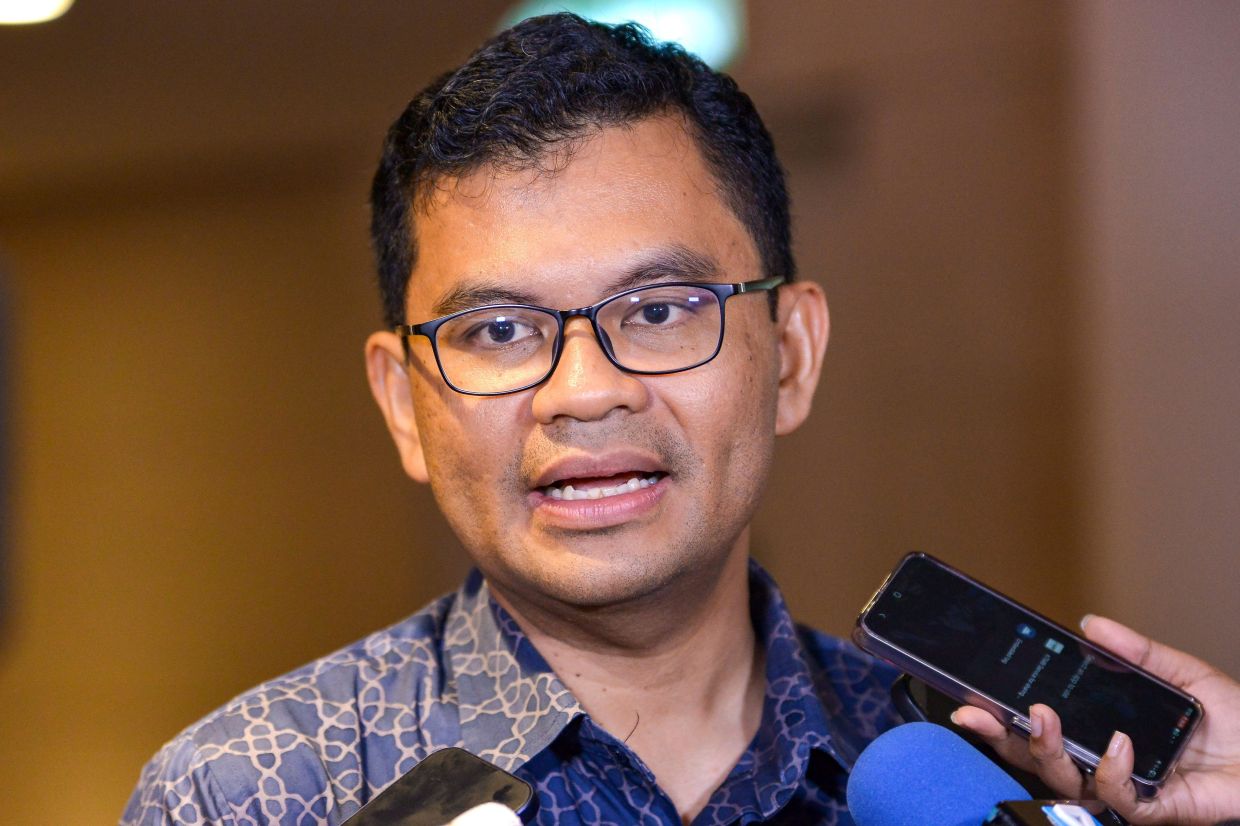
Malaysia's push to expand renewable energy capacity has gained concrete momentum with the successful allocation of 42 Feed-in Tariff (FiT) projects to competing firms, representing a significant milestone in the nation's transition towards sustainable power generation. Economy Minister Akmal Nasrullah Mohd Nasir revealed that these approved projects are projected to mobilise approximately RM4.3 billion in total capital investment, underscoring the substantial economic dimension of the country's green energy agenda.
The awarded portfolio encompasses a strategically diverse renewable energy mix designed to leverage Malaysia's natural advantages and existing industrial capabilities. Sixteen companies have secured biogas initiatives, eleven will develop biomass facilities, and fifteen will construct small-scale hydropower installations. Collectively, these ventures carry a combined approved capacity of 331.355 megawatts, substantially expanding the nation's renewable generation infrastructure within a concentrated timeframe.
The capacity distribution reveals the government's emphasis on maximising economic returns from its renewable investments. Biogas projects account for 26.185 megawatts of generating capacity, whereas biomass installations contribute 135.94 megawatts, with small hydropower schemes adding 169.23 megawatts. This composition reflects both the technical characteristics of each resource type and the commercial viability of deploying them across Malaysia's diverse geographical regions.
Beyond electricity generation, the FiT scheme is structured to catalyse substantial spillover benefits throughout Malaysia's manufacturing and employment landscape. The minister indicated that these projects will generate approximately RM617 million in procurement demand for locally manufactured gas engines and boilers, effectively insulating a significant portion of project expenditure within domestic supply chains. This represents a deliberate policy mechanism to ensure that renewable energy expansion simultaneously strengthens Malaysia's industrial base and creates skilled employment opportunities.
The employment impact extends across both direct and indirect job creation. The 42 projects are anticipated to generate approximately 7,738 indirect employment opportunities throughout construction, operation, and maintenance phases. For Malaysia's labour market, these positions represent a meaningful expansion of green sector employment, particularly in regions where renewable resource abundance intersects with manufacturing capacity or agricultural activities that support biomass feedstock supply.
The Sustainable Energy Development Authority (SEDA) Malaysia received substantially more applications than could be accommodated within available funding and grid capacity constraints. The authority processed 48 total applications representing a combined capacity of 370.480 megawatts, meaning that 42 projects totalling 331.355 megawatts gained approval whilst approximately 39 megawatts of proposed capacity was not selected. This competitive environment suggests healthy investor interest in Malaysia's renewable sector, though it also indicates resource constraints limiting how rapidly the country can transition its energy profile.
The selection methodology incorporated multiple evaluative criteria extending beyond simple financial considerations. Approved projects were assessed on site suitability, reflecting the technical feasibility of development at proposed locations and alignment with grid integration requirements. Tariff rate competitiveness factored prominently, ensuring that selected schemes represented efficient use of public support mechanisms. Technical considerations encompassing construction methodology, equipment specifications, and operational reliability also influenced allocation decisions, whilst the availability of supporting ecosystem infrastructure—including feedstock supply networks for biomass and biogas, or water availability for hydropower—weighed substantially on final determinations.
These selection criteria demonstrate a sophisticated approach to renewable energy investment that extends beyond simple capacity addition towards building resilient, regionally-integrated energy systems. The emphasis on ecosystem availability recognition acknowledges that renewable energy development cannot succeed through technical deployment alone; rather, it requires supporting infrastructure, supply chains, and regional development synchronisation to function effectively.
Implementation timelines reveal an extended deployment horizon consistent with the complexity of large-scale energy infrastructure projects. The minister indicated that targeted system integration for these 42 projects spans the 2029-2030 period, allowing approximately three to four years from present for engineering finalisation, procurement, and construction completion. This timeframe aligns with typical renewable energy project development cycles whilst providing realistic expectations regarding when these investments will commence generating commercial electricity supplies.
The FiT mechanism itself represents Malaysia's primary policy instrument for incentivising renewable energy investment by providing long-term contractual guarantees for electricity purchase at predetermined tariff rates. This structure removes revenue uncertainty that might otherwise deter private investment in renewable capacity, particularly for smaller operators or in regions where conventional generation economics remain competitive. By establishing guaranteed revenue streams, the FiT mechanism effectively transfers project risk from private investors to the electricity system and ultimately Malaysian consumers, a trade-off that policymakers have judged worthwhile given the strategic imperatives around renewable energy expansion and carbon emissions reduction.
The 2026 FiT awards underscore Malaysia's commitment to diversifying its renewable portfolio beyond utility-scale solar installations that have dominated recent capacity additions. Biogas projects, frequently developed by agricultural and industrial waste processors, integrate renewable energy generation with waste management objectives. Biomass facilities typically utilise residual forestry and plantation materials, capturing economic value from processing byproducts. Small hydropower ventures exploit Malaysia's precipitation and topography in geographically distributed locations, reducing dependence on centralised generation and transmission infrastructure.
For Malaysian consumers and industries, these renewable energy additions will gradually modify electricity generation portfolios and potentially influence future tariff trajectories. As renewable capacity expands, conventional fossil fuel generation proportions decline, theoretically reducing exposure to volatile international fuel prices. However, the immediate consumer impact remains modest given that 331 megawatts represents a fraction of Malaysia's total installed capacity of approximately 48 gigawatts, indicating that renewable transition remains a multi-decade undertaking rather than an imminent transformation.
The broader regional significance extends to demonstrating that Malaysian policymakers retain confidence in market-based renewable mechanisms despite emerging international debates regarding FiT adequacy in increasingly renewable-dominated power systems. Neighbouring jurisdictions including Thailand, Vietnam and Indonesia continue evaluating competing support mechanisms ranging from competitive auctions to fixed-tariff contracts, with Malaysia's continued commitment to FiT allocation suggesting that policymakers regard the approach as sufficiently effective for current deployment circumstances.

