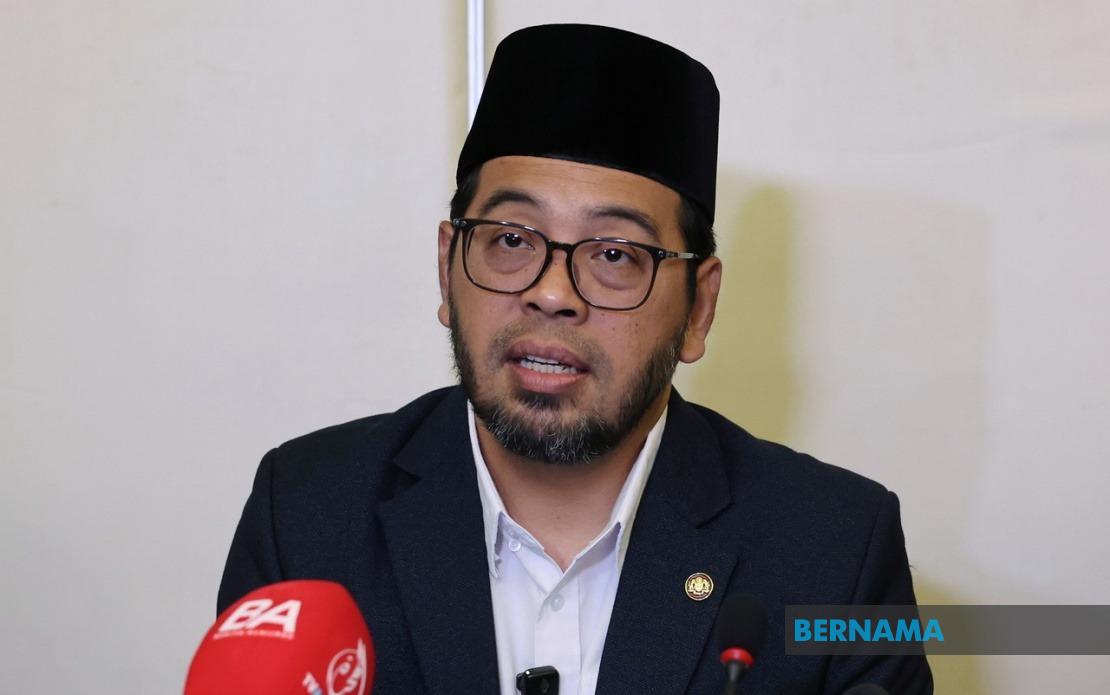
Parliament will convene for a special sitting on August 11 to examine the findings of a Royal Commission of Inquiry into Lembaga Tabung Haji's management spanning the period from 2014 to 2020. Dr Zulkifli Hasan, who serves as Minister in the Prime Minister's Department (Religious Affairs), will deliver a ministerial briefing on the 211-page RCI report, which was publicly released on July 29 following a Cabinet decision to disclose its contents to the public.
The timing of this parliamentary examination carries significant weight for Malaysia's institutions. After months of scrutiny and investigation, the government has determined that legislators should have an opportunity to directly engage with the inquiry's conclusions in a formal setting. This approach reflects a commitment to parliamentary oversight of major issues affecting Islamic pilgrims and their financial commitments to the national hajj management institution. The special sitting, scheduled to commence at 10 am, represents a critical juncture in holding public institutions accountable to elected representatives and, by extension, to the Malaysian people.
Dr Zulkifli will not shoulder this responsibility alone. Finance Minister II Datuk Seri Amir Hamzah Azizan will participate alongside him, specifically contributing to the winding up of parliamentary debate on the report. This dual ministerial engagement underscores the cross-portfolio nature of the issues identified within the inquiry, touching upon both religious affairs governance and financial stewardship. The involvement of the Finance Ministry suggests that the RCI's findings encompass not merely administrative or procedural failures but potentially substantive concerns relating to the institution's financial management and resource allocation.
The Cabinet has already signalled its intention to pursue accountability measures. In his media statement, Dr Zulkifli explicitly referenced Cabinet's directive that action should be taken against those implicated in the matters under investigation. This statement carries considerable implications, as it indicates the government's willingness to move beyond mere acknowledgement of problems and toward concrete disciplinary or legal consequences. Such action could range from administrative sanctions and dismissals to criminal referrals, depending on the severity and nature of the violations uncovered by the inquiry.
The response from parliamentary members has been notably robust. Communications Minister Datuk Seri Fahmi Fadzil previously disclosed that at least 40 members of Parliament had registered their intention to participate in the upcoming debate. This level of parliamentary interest reflects the importance of the Tabung Haji issue within Malaysian society, particularly given the institution's significance to over 1.8 million registered members who rely on it to facilitate their pilgrimage obligations. For many Malaysian families, their hajj savings represent years of financial commitment and spiritual planning, making questions about institutional integrity deeply personal.
The Royal Commission's investigation examined a critical period in the institution's history. The 2014 to 2020 timeframe encompasses several years during which concerns regarding Tabung Haji's operational efficiency and financial performance had accumulated among its stakeholders. The fact that the government commissioned a formal inquiry speaks to the gravity of these concerns and the need for a comprehensive, independent examination of the institution's affairs during this period. By opening these findings to public and parliamentary scrutiny, the authorities are attempting to restore confidence in an institution that holds the religious aspirations and financial resources of millions of Malaysian Muslims.
The parliamentary debate mechanism itself provides an important democratic function. Unlike closed government inquiries or administrative reviews, a special sitting of the Dewan Rakyat allows elected representatives to pose questions, seek clarifications, and place the findings on official parliamentary record. This transparency can help assure the public that concerns have been properly investigated and that systemic issues have been identified with specificity. Furthermore, parliamentary debate can generate recommendations for legislative or procedural reforms that might prevent similar problems from occurring in future.
For Malaysian and Southeast Asian observers, this episode illustrates broader questions about institutional governance and accountability within the region. Islamic financial institutions and pilgrimage-related organisations operate across multiple Muslim-majority Southeast Asian nations, and issues affecting one such institution can have ripple effects on public confidence across borders. Malaysia's decision to conduct a public inquiry and subsequently brief Parliament represents a model of institutional accountability that regional peers may observe closely.
The implications extend beyond the immediate institutional context. Tabung Haji serves as a touchstone for how the Malaysian government manages large-scale social institutions entrusted with citizen resources. Questions about transparency, financial controls, and leadership accountability affect public perception of governmental competence more broadly. The coming parliamentary sitting will therefore function not only as an examination of specific institutional failures but as a test case for whether Malaysian democratic institutions can effectively oversee and reform significant state-linked organisations when problems emerge.

