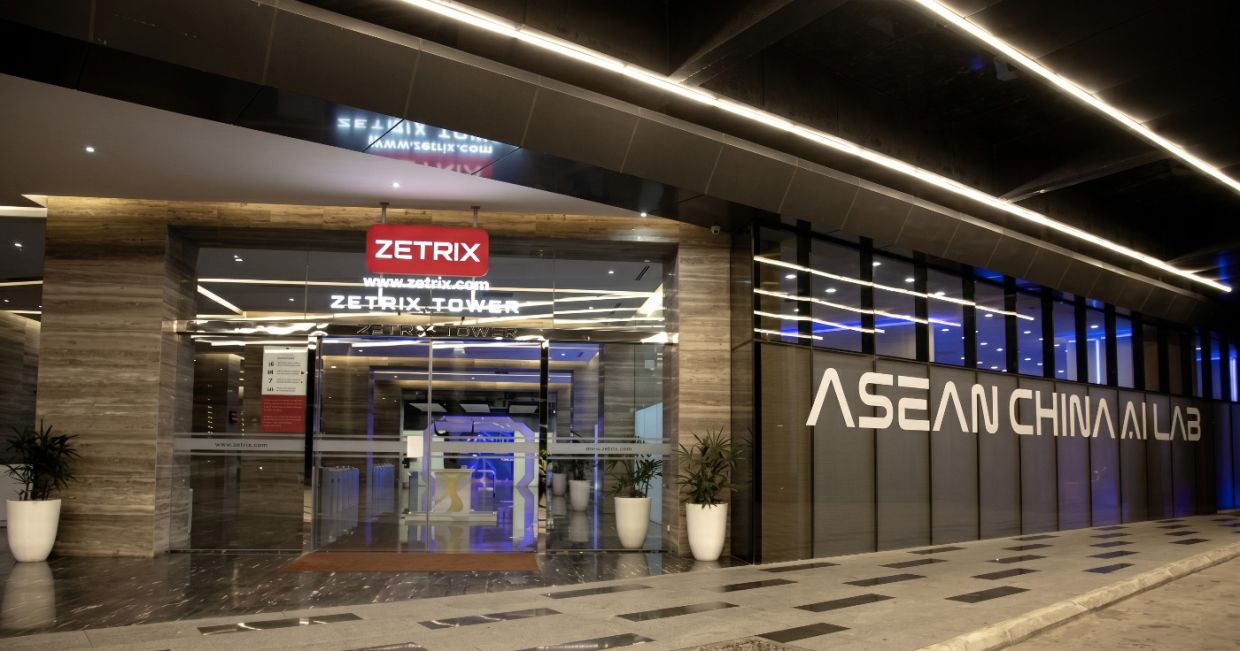
Zetrix AI Bhd moved swiftly to contain damage on its reputation and market standing, issuing a categorical statement denying involvement in corruption charges that have engulfed a senior former government official. The technology company's response came after Bursa Malaysia Securities Bhd launched an unusual market activity inquiry into trading patterns that saw the firm's share price collapse by half in a single session.
At the centre of the market turbulence lies Datuk Seri M. Saravanan, the former human resources minister who was charged with three counts of graft at the Sessions Court on August 28. The allegations specifically concern his approval decisions affecting foreign worker quotas—a portfolio that would naturally fall within his ministerial purview. However, the precise nature of the alleged impropriety and which entities or individuals allegedly benefited from these approvals remain subjects of ongoing legal proceedings.
In its formal response to the exchange regulator, Zetrix AI categorically stated that the company bore no responsibility for, nor held any association with, the charges levelled against Saravanan. The firm characterised the market rumours linking it to the corruption case as entirely unfounded, suggesting that investors had acted on misinformation rather than substantive corporate news. This explanation carries particular weight in Malaysia's equity markets, where reputation and perceived governance remain sensitive issues following previous corporate scandals.
The company's management undertook a thorough internal investigation to identify any possible nexus between the graft charges and its business operations. Directors, major shareholders, and other relevant stakeholders were consulted to determine whether undisclosed corporate developments—whether at preliminary discussion stages or more advanced negotiations—might justify the trading surge. Zetrix AI's board concluded that no such connection existed, suggesting the market reaction was purely speculative in nature.
The trading activity itself was extraordinary in scale and intensity. On Friday, the company's shares hit the limit-down circuit breaker, falling 30 sen or 50.4% to close at 29.5 sen. Approximately 1.05 billion shares changed hands during the session, indicating panic selling and substantial investor uncertainty about the company's future trajectory. Such extreme volatility typically signals either fundamental bad news regarding a company's prospects or precisely what Zetrix AI claims occurred: widespread misunderstanding and rumour-driven trading.
The incident highlights the vulnerability of smaller-cap Malaysian companies to reputation contagion, particularly when senior political figures face criminal allegations. Even unsubstantiated links to corruption investigations can trigger sharp market re-ratings as fund managers and retail investors alike reassess risk profiles. This dynamic has become increasingly pronounced in Southeast Asian markets, where governance concerns and political uncertainty regularly translate into equity volatility.
Zetrix AI's predicament also underscores the challenge facing technology and innovation-focused companies in Malaysia seeking to build sustainable investor bases. The firm must now work to rebuild confidence among shareholders and analysts who may have been alarmed by the trading patterns and associated speculation. Transparency, which the company has attempted to demonstrate through its detailed Bursa filing, becomes essential in such circumstances.
The case involving Saravanan himself remains subject to judicial process, with the allegations relating to ministerial discretion over foreign worker quotas. Malaysia's construction, manufacturing, and plantation sectors depend heavily on foreign labour flows, making the proper administration of quota approvals a matter of considerable economic importance. Any evidence of improper approval processes could have broader implications for labour supply chains across multiple industries.
From a market governance perspective, Zetrix AI's situation demonstrates both the effectiveness and limitations of Malaysia's unusual market activity framework. Bursa Malaysia's ability to query suspicious trading allows companies to address speculation quickly, but the damage to share valuations and investor confidence may already be done by the time formal responses are issued. The 50% share price collapse, even if later reversed, imposes real losses on existing shareholders and raises questions about market resilience.
Looking forward, Zetrix AI faces the ongoing task of demonstrating operational stability and growth prospects sufficient to convince investors that any connection to the graft case was indeed spurious. The company will need to provide concrete evidence of business traction, contract wins, or strategic developments that underscore its independent value proposition. Without such positive catalysts, the share price depression could persist even after the Saravanan case concludes.
The broader implication for Malaysian-listed technology and smaller-cap companies is cautionary: corporate reputation can be damaged rapidly by association with political controversies, regardless of actual involvement. Building robust investor communications, maintaining clear governance standards, and diversifying stakeholder bases become critical defensive measures in volatile market environments. Zetrix AI's denial and clarification represent a necessary first step, but restoring full market confidence will require sustained demonstration of business fundamentals.

