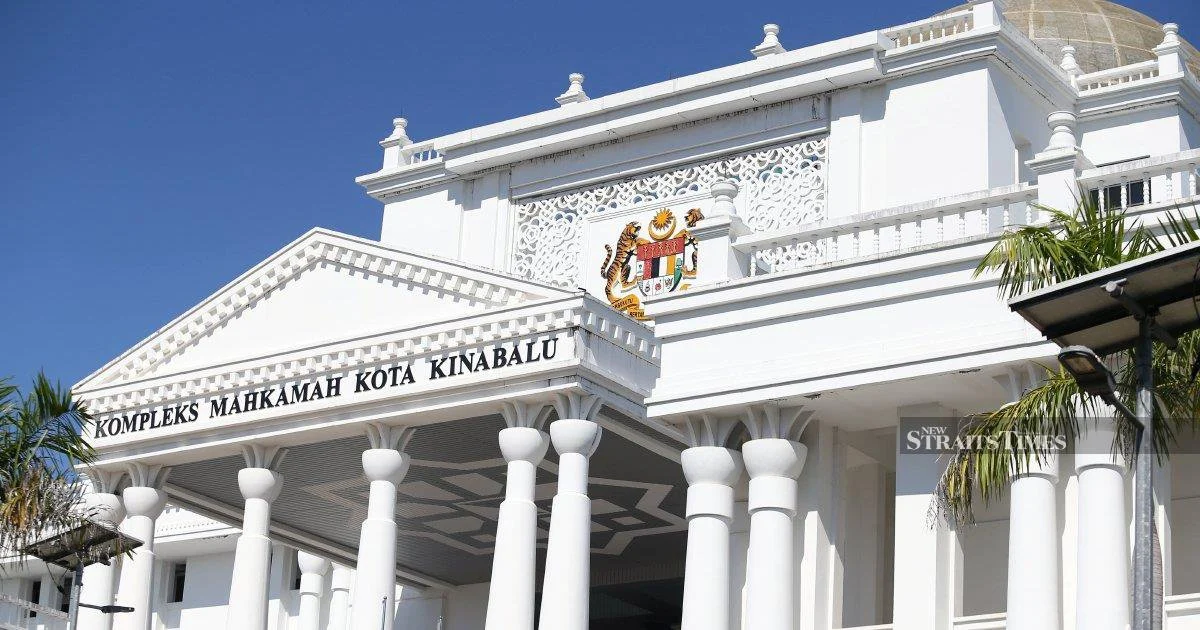
The inquest into the death of 13-year-old Zara Qairina Mahathir continued in Kota Kinabalu with the 74th witness testifying about the constraints she faced in evaluating competing expert conclusions regarding document examination, underlining the complexities that arise when forensic specialists present divergent analyses of the same physical evidence.
The testimony reflects a recurring challenge in legal proceedings involving technical evidence, where the court must weigh conflicting expert opinions on matters requiring specialised knowledge. In this instance, the witness acknowledged that professional standards and the nature of document examination do not always permit an expert to definitively contradict another specialist's findings without access to identical methodologies, samples, and analytical frameworks. Such candour from a witness about the limits of her own expertise speaks to the rigorous scrutiny applied during the inquest proceedings into Zara's death.
Document examination as a forensic discipline relies on comparing questioned documents with known standards and identifying distinctive characteristics such as handwriting patterns, ink composition, pressure variations, and paper composition. However, when two qualified examiners reach different conclusions, the divergence may stem from varying interpretations of ambiguous features, different reference materials used, or distinct analytical approaches rather than one expert being definitively wrong. The witness's inability to contradict a peer's findings suggests such nuanced disagreement existed in this case.
The inquest mechanism in Malaysian law serves a crucial function in deaths that occur in contested or unclear circumstances. Unlike a criminal trial, an inquest focuses on establishing facts surrounding the death rather than determining criminal culpability. The proceedings gather testimony from all relevant witnesses, including experts, to build a comprehensive understanding of what happened. The testimony of expert witnesses is particularly important because it helps the court understand technical aspects of evidence that lie outside the knowledge of the average juror or judge.
Zara's death has drawn significant public attention and scrutiny, particularly given her family background. The depth and duration of the inquest, now reaching its 74th witness, demonstrates the authorities' commitment to investigating thoroughly and establishing a clear factual record. Each witness represents another layer of evidence being placed on record, whether it involves eyewitness testimony, expert analysis, medical findings, or forensic examination results.
The challenge of resolving competing expert testimony is not unique to this inquest. Forensic science, while powerful, is not always deterministic. Different experts may legitimately reach different conclusions based on the same evidence, and courts must develop frameworks for assessing the reliability and weight of competing opinions. This is particularly true in document examination, which historically has been subject to more variability in standards compared to, say, DNA analysis.
In Malaysian legal proceedings, expert witnesses are expected to provide opinions based on their specialisation and to acknowledge the limits of their knowledge and methodology. A witness admitting she cannot contradict another expert's findings, rather than claiming absolute certainty, may actually enhance her credibility by demonstrating intellectual honesty and proper professional standards. The court will ultimately assess both experts' qualifications, methodologies, and conclusions when weighing the evidence.
The inquest process typically concludes with the presiding judge issuing findings on the cause and circumstances of death. These findings influence not only the historical record but may also spark recommendations for systemic changes or further investigations if evidence suggests criminal conduct. The testimony being gathered throughout the inquest proceedings, including from this 74th witness, contributes to the complete evidentiary picture that will inform the final determination.
For observers in Malaysia and beyond, the progression of the Zara Mahathir inquest illustrates how the legal system approaches high-profile cases involving young victims. The willingness to call numerous witnesses, including experts who may have conflicting views, reflects a judicial philosophy that favours comprehensive examination over expedience. This approach, while lengthy, aims to establish facts with sufficient certainty to satisfy public interest and provide closure for families involved.
The acknowledgment by the witness that she could not contradict another expert's conclusions also raises broader questions about how courts should approach disputes between qualified specialists. Should the court prefer one expert over another based on credentials, methodology, clarity of explanation, or willingness to acknowledge limitations? These considerations will likely occupy the court's attention as it moves toward finalising its findings on the circumstances of Zara's death, with the extensive testimony now on record providing the foundation for such analysis.

