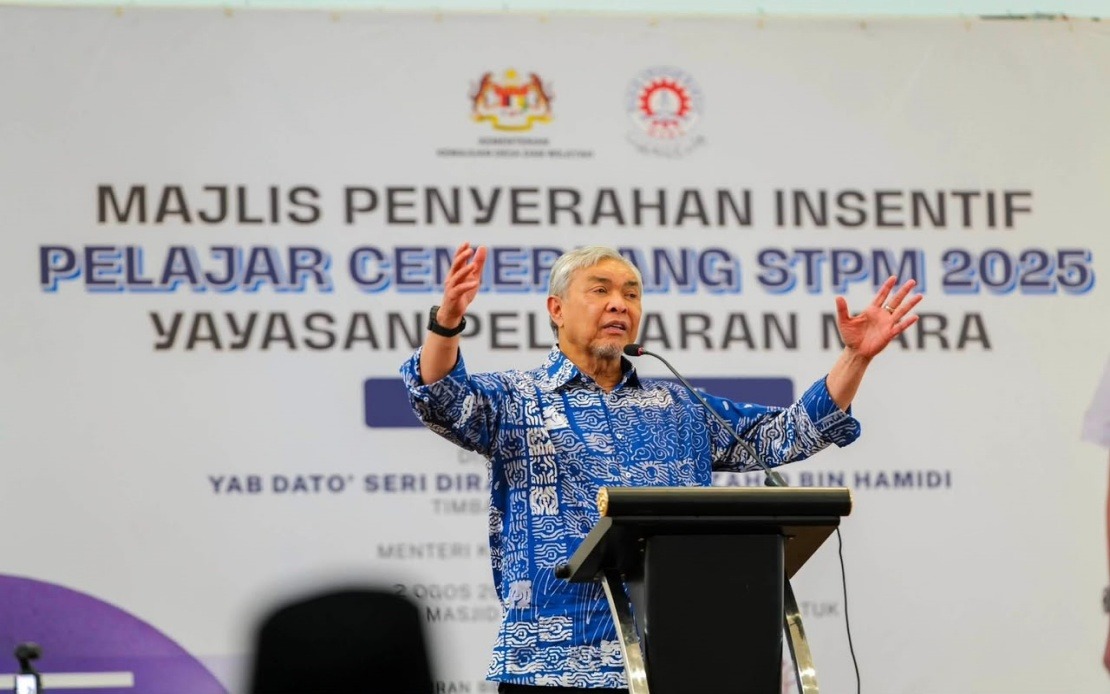
The Yayasan Pelajaran MARA has honoured 38 students from Bagan Datuk for their outstanding performance in the 2025 Sijil Tinggi Pelajaran Malaysia examination. The recipients, drawn from SMK Khir Johari and SMK Tun Abdul Razak, received the STPM Excellence Incentive in recognition of their academic achievements. Deputy Prime Minister Datuk Seri Dr Ahmad Zahid Hamidi, who is also the Bagan Datuk Member of Parliament, announced the accolade, highlighting the accomplishment as a significant milestone for the district's educational landscape.
Beyond the immediate recognition for STPM excellence, the achievements extend across multiple fronts of educational advancement. Three students from Bagan Datuk have secured admission to Al-Azhar University, one of the world's most prestigious Islamic institutions, where they will pursue studies in Islamic Syariah and Usuluddin. This development is particularly noteworthy given the competitive nature of international university admissions and the standing of Al-Azhar in the global Islamic academic community. Additionally, 23 students from the district received the YPM Education Compassionate Fund, which provides critical financial support to deserving undergraduates pursuing tertiary education.
According to Ahmad Zahid, these outcomes demonstrate the considerable potential that exists within Bagan Datuk's youth population when they are provided with adequate opportunities, guidance, and institutional support. The Deputy Prime Minister emphasised that the district's students are capable of competing at both national and international levels when equipped with the necessary resources and mentorship. His remarks underscored a broader commitment to ensuring that geographical location does not become a barrier to educational success, a concern particularly relevant in districts outside major urban centres where access to quality guidance and scholarship opportunities may be more limited.
The recognition of academic excellence serves as a catalyst for broader educational aspirations within the community. Ahmad Zahid articulated his conviction that education represents the most effective instrument for transforming individual lives and establishing a solid foundation for community development. This perspective aligns with Malaysia's broader national ambitions regarding human capital development and the transition towards a knowledge-based economy. The emphasis on education as an investment rather than merely an expense reflects an understanding that sustainable economic and social progress depends fundamentally on developing a highly skilled and educated workforce.
The Deputy Prime Minister's statement particularly stressed the irreplaceable role of parents and guardians in sustaining the momentum of educational achievement. He appealed to families to continue functioning as sources of motivation and encouragement for their children, recognising that academic success rarely occurs in isolation from family support structures. This acknowledgment of the family unit's central role in educational outcomes reflects research consistently demonstrating that parental engagement, expectations, and support substantially influence student achievement and aspiration levels across all socioeconomic backgrounds.
Looking forward, Ahmad Zahid expressed his aspiration to witness an expanding pipeline of Bagan Datuk students pursuing higher education at institutions throughout Malaysia and globally. Implicit in this vision is the expectation that these graduates will eventually return to contribute their expertise and knowledge toward the district's continued development. This brain drain concern—the outmigration of educated youth to opportunities elsewhere—remains a significant challenge for many districts in Malaysia, particularly those with limited economic diversity and fewer knowledge-based employment opportunities.
The Yayasan Pelajaran MARA, as Malaysia's principal scholarship and student financing body under MARA, plays a foundational role in enabling educational mobility for Malaysian students. By offering multiple pathways of support, from excellence incentives to compassionate funding, the organisation ensures that financial constraints do not prevent qualified students from accessing quality education. The distribution of awards to students from two different secondary schools within Bagan Datuk also reflects deliberate efforts to spread educational opportunities across the district rather than concentrating benefits in single institutions.
The significance of this recognition extends beyond individual student achievement to encompass questions of educational equity and resource distribution. Bagan Datuk, as a parliamentary constituency, has particular geographic and demographic characteristics that shape its educational infrastructure and opportunities. The concentration of achievement recognition in two secondary schools raises questions about the distribution of educational resources, teacher quality, and institutional capacity across the district's broader secondary education system. Understanding which schools are producing high-performing students and why can inform policy decisions regarding educational development priorities.
For Malaysian policymakers and educators, these developments in Bagan Datuk exemplify how strategic scholarship support and institutional recognition can galvanise educational excellence in non-metropolitan areas. The combination of merit-based incentives, targeted support for vulnerable students, and international placement opportunities creates a comprehensive ecosystem for educational advancement. As Malaysia continues refining its approach to education financing and student support, the experience of Yayasan Pelajaran MARA in reaching students across diverse geographic and economic circumstances offers valuable insights.
The celebration of student excellence also occurs within a broader national context of examination reform and evolving educational standards. The STPM, while remaining a significant qualification pathway, exists alongside the Unified Examination Certificate system and vocational qualifications in Malaysia's diversified secondary education landscape. That students are being recognised specifically for STPM achievement underscores the continued prominence of this qualification for university entrance and international recognition, even as the education system develops multiple pathways to tertiary education.
Congratulations extended to all recipients carried an implicit challenge to sustain and replicate these achievements in future cohorts. Ahmad Zahid's exhortation for students to continue pursuing excellence reflects an understanding that individual achievement, while valuable, represents only a foundation for sustained progress. The translation of educational excellence into meaningful contribution to community development depends on whether graduates find opportunities to deploy their knowledge productively and whether they maintain commitment to returning resources and expertise to their communities of origin.

