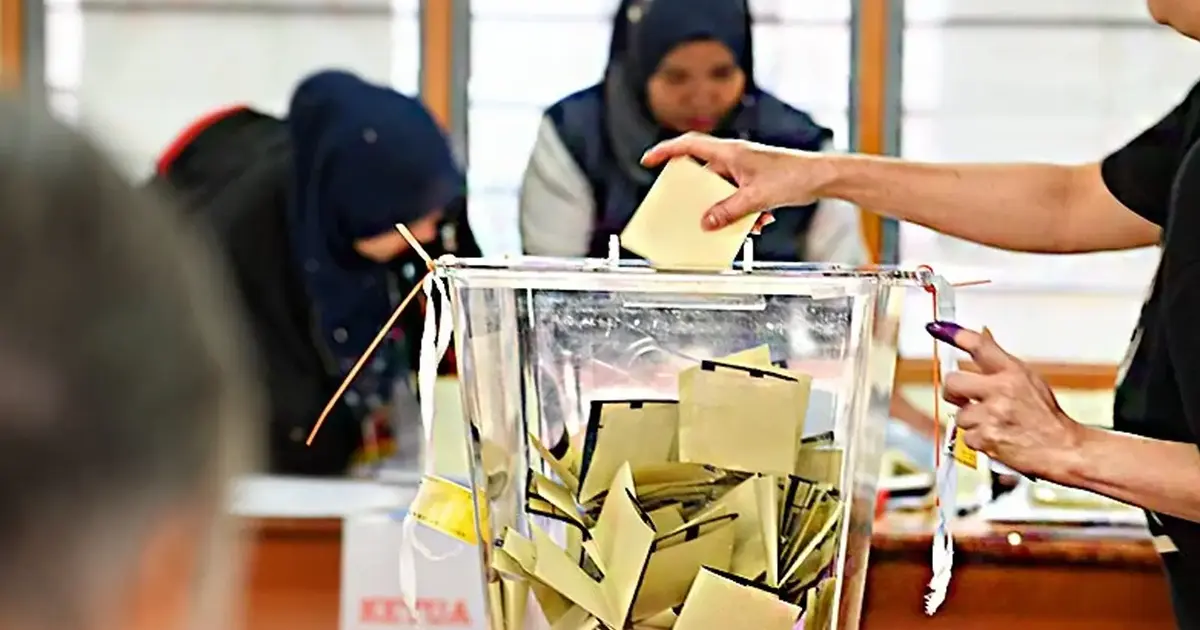
The pivotal battleground in Johor's forthcoming election may not be fought in the traditional strongholds of the state, but rather in the minds and ballot boxes of a younger generation now entering their economic prime. Political analysts are increasingly focused on voters between the ages of 21 and 39, a cohort whose electoral choices could fundamentally reshape the state's political landscape in ways that traditional voting blocs no longer guarantee.
This age bracket represents a generation that has come of age in an era of economic uncertainty, rising cost of living, and shifting employment patterns across Malaysia. Unlike their parents' generation, which may have relied on secure government positions or long-term private sector roles, today's younger workers navigate a landscape of contract work, gig economy positions, and rapidly evolving job markets. Political parties are increasingly recognising that winning this demographic requires more than conventional campaign rhetoric; it demands substantive policy platforms that address their tangible, everyday concerns.
Economic stability ranks foremost among the priorities of this voting bloc. For individuals and couples in their twenties and thirties, economic security extends beyond mere employment; it encompasses the ability to earn sufficient wages to meet spiralling living costs while simultaneously planning for their financial future. The persistent gap between wage growth and inflation in Malaysia has created particular anxiety within this age group, who often find themselves earning more in nominal terms than previous generations yet possessing considerably less purchasing power in reality.
Employment opportunities constitute another critical pillar shaping voting intentions in this demographic. Johor, as Malaysia's southern economic hub with significant manufacturing, petrochemical, and port-related industries, should theoretically offer abundant job prospects. However, young voters frequently report difficulty accessing well-paid positions commensurate with their educational qualifications, with many facing underemployment or wage stagnation despite holding tertiary degrees. Political parties that can articulate credible plans for job creation, skills development, and career progression stand to capture significant support within this cohort.
The housing crisis looms perhaps most prominently in the minds of voters aged 21 to 39. In Johor, where property development has been rapid but often oriented toward investment and foreign buyers rather than young locals seeking their first homes, the dream of homeownership has become increasingly elusive. First-time buyers in this age bracket struggle to accumulate sufficient deposits, qualify for financing, or find affordable properties in desirable locations near employment centres. The inability to secure stable housing creates a cascade of other concerns, from family planning decisions to long-term financial security, making housing policy a decisive electoral issue.
Family commitments and childcare responsibilities add further dimensions to the concerns of this demographic. Many voters in this bracket are juggling dual careers, childcare costs, and pressure to provide financial support to aging parents, all while attempting to build their own financial security. The availability and affordability of quality childcare, flexible work arrangements, and family support services directly influence their voting calculus. Political parties offering practical solutions to these challenges rather than abstract promises gain considerable traction among working parents in this age group.
The concentration of this demographic in Johor is substantial enough to swing multiple constituencies. Population statistics indicate that voters aged 21 to 39 represent a significant proportion of the electorate in many Johor federal and state constituencies, particularly in urban areas like Johor Bahru, Iskandar Puteri, and Kota Tinggi. In closely contested marginal seats, which are increasingly common across Johor, this age group's voting patterns could prove decisive in determining whether seats change hands or consolidate existing political control.
Political parties have begun tailoring their campaign strategies accordingly, though with varying degrees of sophistication. Some have launched initiatives specifically addressing youth employment, first-home buyer schemes, or childcare subsidies. However, analysts note that many traditional campaign approaches fail to resonate effectively with this cohort, who increasingly consume political information through social media, podcasts, and alternative news sources rather than mainstream television broadcasts or newspapers. Parties demonstrating genuine engagement with young voters' concerns through authentic dialogue rather than patronising gestures stand to build stronger connections.
The economic context surrounding Johor's election amplifies the salience of these issues. With Malaysia's overall economic growth remaining modest, youth unemployment and underemployment figures persisting at concerning levels, and housing prices continuing their upward trajectory, the material circumstances facing this demographic continue to deteriorate. This creates both opportunity and risk for political parties: those addressing young voters' concerns substantively can expect strong support, while those dismissing or ignoring these issues risk losing an entire generation's allegiance.
Beyond Johor's immediate electoral implications, the voting patterns of this age bracket carry broader significance for Malaysian politics. As this demographic matures and becomes increasingly engaged in electoral politics, their priorities will likely become the defining issues across multiple elections nationwide. Political parties that succeed in capturing young voters' imagination and trust in Johor may establish templates for broader electoral success across the country, while those failing to engage this cohort credibly risk declining relevance in future elections.