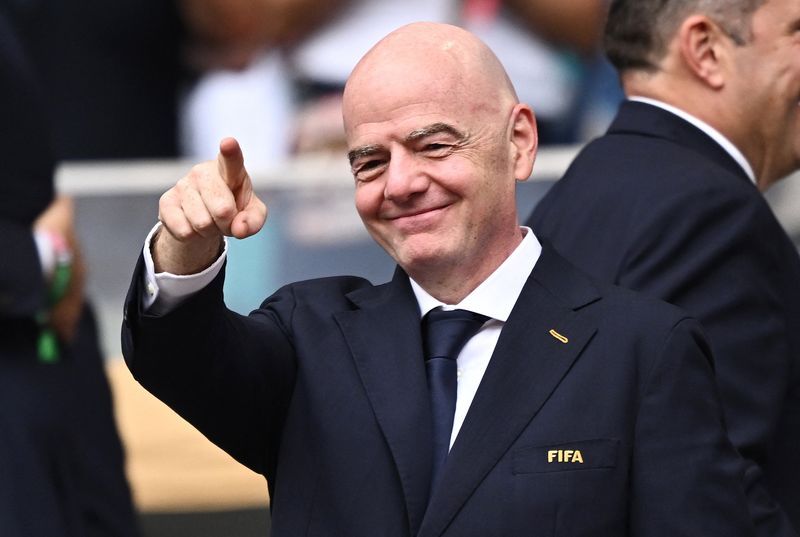
FIFA's bid to host the "most inclusive" World Cup has been undermined by restrictive U.S. immigration policies that prevented countless international fans and workers from entering the country, according to a coalition of human rights organizations. The Sport & Rights Alliance raised the alarm this week, highlighting how strict visa requirements contradicted FIFA's stated mission to welcome the world to one of sports' biggest sporting events, even as the governing body expanded the tournament from 32 to 48 participating nations to give smaller football-loving countries their moment on the global stage.
The 2026 World Cup marked a historic expansion in the tournament's scope, welcoming additional nations and theoretically broadening access to what is traditionally an exclusive competition. FIFA framed this growth as a democratic opening, a chance for emerging footballing nations to compete and for their supporters to witness their teams' performances on the world's grandest sporting platform. However, this expansion of sporting opportunities has been severely constrained by the host nation's approach to border control and visa administration, creating a disconnect between FIFA's rhetorical commitment to inclusion and the practical reality facing prospective attendees from numerous countries.
Ronan Evain, executive director of Football Supporters Europe, provided stark testimony to the barriers fans encountered. He pointed to consistent patterns across multiple nations, stating that supporters from Morocco, Egypt, Jordan, Iraq, and Uzbekistan faced near-insurmountable obstacles in obtaining visas despite holding valid World Cup tickets. The systematic nature of these rejections suggests that broader geopolitical considerations and security concerns shaped visa decisions, often overriding FIFA's promise of a welcoming atmosphere. For football fans in these countries, the inability to travel represented more than mere disappointment; it meant exclusion from participating in a once-in-a-generation event, effectively reversing the inclusive spirit that the expanded format was designed to promote.
The situation was particularly stark for certain African nations. Senegal and other countries experienced grossly disproportionate visa denial rates, leaving their supporters vastly underrepresented in stadium crowds. This demographic imbalance fundamentally altered the World Cup experience, diminishing the diversity of fan bases present and undermining the tournament's claim to be truly global. When national representation in the stands becomes skewed by immigration policy rather than sporting performance or demand, the tournament loses a crucial element of its legitimacy and universal appeal.
One case exemplified the broader dysfunction: Omar Abdulkadir Artan, a Somali referee with a valid visa, was barred from entering the United States at the behest of the Trump administration, which cited alleged connections to suspected members of terror organizations. Such decisions, made at the border despite prior authorization, created an atmosphere of unpredictability that discouraged travel among fans from affected regions. When even officially accredited tournament participants faced rejection, ordinary supporters had little confidence that their visa applications would succeed, regardless of their documents or intentions.
FIFA leadership attempted to deflect responsibility for the situation. President Gianni Infantino stated that immigration and visa decisions ultimately rest with national authorities, implying that the organization bore no responsibility for the restrictive environment that developed. However, this position rings hollow for an organization that explicitly marketed the tournament as inclusive and welcoming. By hosting the event in the United States and promoting it as globally accessible, FIFA implicitly endorsed and relied upon U.S. immigration processes, making its evasion of accountability difficult to justify to disappointed fans and workers denied entry.
The Trump administration's Homeland Security Secretary, Markwayne Mullin, defended the visa denials, claiming his department had consulted with FIFA officials before implementing restrictions. This suggestion of coordination between border authorities and the governing body further implicates FIFA in the restrictive outcomes, undermining claims of separation between sporting and governmental decisions. If FIFA was aware of visa policies yet proceeded with its inclusivity messaging, the disconnect between promise and practice becomes even more troubling.
The Sport & Rights Alliance and other observer organizations documented concerning trends beyond visa denials. They warned that FIFA had permitted what they characterized as a "distinctively dangerous climate of fear" during the tournament, exacerbated by the broader immigration enforcement environment. Journalists covering the event reported concerns about their own safety and ability to operate freely, while fans from Muslim-majority nations and communities faced additional anxiety about border scrutiny. This psychological and practical dimension of exclusion extended beyond those outright denied visas to create a chilling effect discouraging travel from affected regions.
Despite these systemic challenges, the tournament did generate moments of celebration. Haiti's participation marked the nation's return to the World Cup after 52 years of absence, and Cape Verde's unexpected performance captured imaginations across Africa and the diaspora. Pride Match Day in Seattle witnessed rainbow flags and celebrations of inclusivity, offering glimpses of the welcoming event FIFA had promised. These genuine accomplishments, however, coexist uncomfortably with the documented exclusions, creating a fractured narrative about what the tournament ultimately represented.
Human Rights Watch director Minky Worden attempted to capture this duality, acknowledging both the tournament's positive achievements and the shadow cast by host nations' policies. The organization's assessment suggests that the 2026 World Cup will be remembered as a tournament of contradictions: expanded in scope yet restricted in access, celebratory in moments yet exclusionary in practice. This tension reflects broader questions about how international sporting events can meaningfully claim inclusivity when hosted in contexts of restrictive immigration policy and geopolitical tension.
The Sport & Rights Alliance plans to release a comprehensive report in September detailing human rights concerns that emerged throughout the tournament. This documentation will likely provide evidence-based analysis of the gap between FIFA's promises and actual conditions experienced by fans, workers, and participants. For Malaysian and Southeast Asian observers, the report's findings will be particularly relevant, given that supporters from the region also depend on visa access to attend major sporting events hosted in Western nations, and restrictions affecting North African and Middle Eastern fans today could presage similar barriers for Asian attendees in future tournaments.
The 2026 World Cup's experience raises uncomfortable questions about whether truly inclusive mega-events are possible when hosted in nations with restrictive immigration frameworks. FIFA's expansion to 48 teams demonstrated a willingness to broaden sporting access, yet the organization proved unable or unwilling to ensure that expanded participation translated into meaningful access for fans from less-developed nations. Going forward, organizers and governing bodies must reconcile their aspirations for global inclusion with the political realities of host nations, or accept that their inclusive rhetoric will ring hollow for those locked out by circumstance of their nationality.

