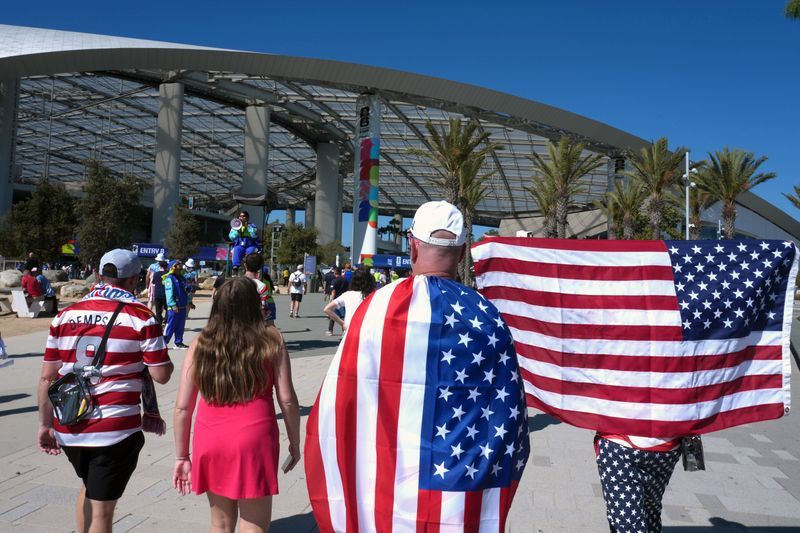
The excitement of witnessing live World Cup soccer turned to despair for dozens of fans across North America this month when StubHub, the major ticket resale platform, abruptly cancelled orders mere hours before kickoff. Jeremy Wright had carefully selected two tickets to the Netherlands versus Japan match on June 14 as a Christmas gift for his wife Sarah, purchasing them through StubHub in September. After driving from Austin to Dallas with anticipation building, the couple received a crushing email just five hours before the match: StubHub could not deliver their tickets. Although the platform promised replacement seats under its "FanProtect Guarantee," when Wright attempted to claim them, the only option presented was a full refund. Similar stories flooded social media throughout the tournament, painting a picture of systemic failure in one of the world's most visible sporting events.
The cancellation crisis reveals deeper tensions in the ticketing ecosystem surrounding the 2026 World Cup, the first to be held in North America in over three decades. StubHub functions as a resale-only marketplace, meaning it does not own tickets or control pricing directly. According to the platform's representatives, cancellations stem from sellers unable to deliver purchased inventory, with FIFA's ticketing infrastructure complicating transfers across third-party platforms. Yet FIFA has rejected these claims outright, insisting that its own ticketing system operates reliably and that functional problems experienced by users of competing resale platforms result from those platforms' operations, not FIFA's infrastructure. This finger-pointing deflects attention from the genuine buyer experience: customers purchased what they believed were valid tickets, only to find themselves without access to matches they had planned around for months.
Dacy Gillespie, a writer and personal stylist, faced a similar nightmare when she purchased four tickets to Argentina's June 16 game against Algeria as a Christmas surprise for her two sons. She and her family travelled 250 miles from St Louis to Kansas City only to receive notification on matchday that the seller could not fulfil the order. These incidents underscore a troubling pattern that extends beyond isolated technical glitches. The root cause, according to Scott Friedman, a ticketing expert who previously worked with the Cleveland Cavaliers and now operates the Ticket Talk Network, lies in a practice known as "speculative ticketing." Sellers list tickets months in advance at premium prices, hoping to purchase them later at lower cost and pocket the difference. Friedman explained the mechanics: a seller might list a ticket for $500 six months ahead, intending to acquire it for less and fulfil the order at a profit, much like short-selling in financial markets.
World Cup ticket dynamics, however, defied typical secondhand market patterns. Rather than declining in price as the tournament approached—the usual trajectory for sports event tickets—World Cup prices climbed steadily higher. This inversion left speculative sellers unable to complete purchases without accepting substantial losses, prompting them to abandon orders. The problem was exacerbated by StubHub's practice of not requiring sellers to provide seat numbers at listing, effectively permitting what industry insiders call "ghost tickets." Jeremy Wright's purchase exemplified this risk: his September 6 transaction, four days before FIFA even launched its first official sales draw, almost certainly involved speculative inventory. His order confirmation showed only "Category 3" seating designation with no specific seat information.
StubHub maintains that its official policies explicitly prohibit speculative ticketing and that it requires sellers to upload tickets or provide proof of purchase upon listing. The company asserts that sellers who misrepresent inventory face financial penalties and account suspension. Yet the persistence of ghost tickets despite these purported safeguards suggests enforcement remains inconsistent or insufficient. FIFA, meanwhile, has directed fans toward its official resale platform, which operates as the sole channel through which the governing body can guarantee proper ticket delivery. However, FIFA's platform levies a 30 per cent commission on resale transactions, rendering tickets substantially more expensive than those available through competing services. Some buyers, frustrated by what they perceive as FIFA's convoluted platform interface, deliberately choose alternatives like StubHub, accepting the risk in exchange for perceived convenience and better pricing.
The cancellation crisis prompted public relations damage control from StubHub. After the Wrights and Gillespie took their complaints to social media and their posts gained traction online, StubHub extended compensation offers: the Wrights received complimentary seats to a semi-final match, while Gillespie was offered $3,000 to offset replacement ticket costs she had incurred independently. Sarah Wright's observation proved cutting: "We had to raise holy hell to get the attention. There's almost a survivor's guilt kind of feeling for us—we got complimentary tickets, but what about all the other people?" Her comment highlights the arbitrary nature of StubHub's response, wherein public visibility determined whether dissatisfied customers received remedies while countless others silently absorbed their losses.
In response to widespread complaints, StubHub announced the creation of a dedicated World Cup support team and expanded capacity to source replacement tickets for affected customers, with company representatives pledging that getting fans to matches remained their top priority for the remainder of the tournament. Yet such reactive measures, implemented only after reputational damage accumulated, may prove insufficient to restore confidence. The timing of additional regulatory action underscores broader concerns about StubHub's practices: the United Kingdom's markets watchdog this week ordered StubHub UK to refund over 50,000 customers and imposed a £900,000 fine for failing to display total ticket prices transparently to buyers. This penalty signals that regulators worldwide are scrutinising the platform's consumer protection standards.
For StubHub, the World Cup ticketing debacle threatens significant long-term brand damage. Marsha-Gaye Knight, a clinical assistant professor at New York University's Tisch Institute for Global Sport, has warned that the reputational consequences could extend well beyond this tournament. Major sporting events occupy privileged positions in popular culture and consumer consciousness; ticket fulfilment failures at World Cups resonate differently than problems at regular season matches. Fans remember these experiences, and their social media accounts have already disseminated cautionary narratives to potential future customers.
The episode also raises questions about regulatory frameworks governing secondary ticket markets in North America. Unlike some jurisdictions that mandate transparency and limit resale markups, the regulatory environment in which StubHub operates remains comparatively permissive. As secondary ticketing platforms continue expanding their market presence and influence, policymakers may face growing pressure to impose stricter requirements regarding inventory verification, pricing transparency, and consumer remedies for cancellations. The World Cup's high visibility has inadvertently highlighted systemic vulnerabilities that affect ticketing for all major events across the continent.
For Southeast Asian sports fans who follow international tournaments, the StubHub saga offers a cautionary lesson about third-party resale platforms, particularly during high-demand events. Malaysian and regional spectators considering purchasing tickets to future World Cups or other major tournaments through secondary marketplaces should recognise that geographical distance amplifies the risks already inherent in speculative ticketing. Travelling hundreds or thousands of kilometres only to discover tickets are unavailable represents a particularly acute form of consumer harm. As secondary ticketing becomes increasingly globalised, with platforms like StubHub operating across multiple continents, the regulatory and operational standards they maintain directly affect consumers far beyond their primary markets. The World Cup cancellations demonstrate that even prominent platforms with substantial resources and brand recognition can fail to protect vulnerable purchasers adequately, particularly when financial incentives encourage high-risk practices like speculative ticketing.

