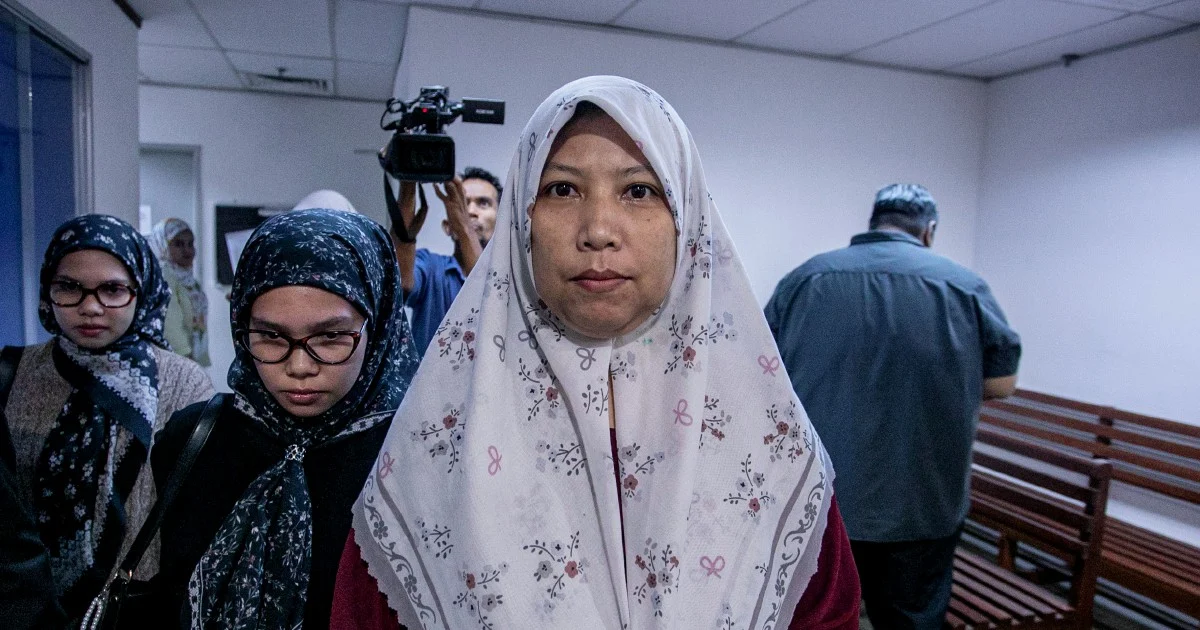
A woman in Ipoh has been ordered to pay a fine of RM500 following her conviction in magistrate's court for using criminal force against the Sultan of Perak, Sultan Nazrin Shah. The incident occurred during the state's National Day observance in the previous year, marking a rare case involving alleged physical contact with a royal personage in Malaysia. The court's decision came after the accused entered a guilty plea, streamlining proceedings and leading to the relatively modest financial penalty.
Criminal force offences involving members of the royal household remain uncommon in Malaysian legal proceedings, lending particular significance to the case despite the modest fine amount. Under Malaysian law, physical contact with royalty without permission constitutes a serious breach of protocol and legal boundaries. The Sultan of Perak occupies one of Malaysia's most prominent constitutional positions, serving as both the hereditary ruler of the state and a significant figure in the country's broader monarchy system. Sultan Nazrin Shah has reigned since 2019 and is widely respected throughout the nation.
National Day celebrations, typically held on August 31st each year, attract large crowds across Malaysia and provide occasions when royalty engages directly with the public in festive settings. These gatherings present both opportunities for citizens to witness their leaders and potential security challenges when managing vast numbers of attendees. The specific nature of the physical contact that led to the charge has not been extensively detailed in available reports, though the guilty plea suggests the facts of the incident were not substantially contested during proceedings.
The magistrate's court decision reflects judicial discretion in determining appropriate penalties for such offences, balancing the seriousness of assaulting a royal personage against mitigating circumstances that may have influenced sentencing. In Malaysia's legal framework, assault charges can encompass a wide range of physical contact, from minor touching to more severe violence. The relatively lenient penalty imposed suggests either the incident involved minimal physical force, or the defendant presented compelling personal circumstances to the court that warranted mercy.
For Malaysian readers, the case underscores the enduring respect accorded to the nation's constitutional monarchy, which remains a cornerstone of Malaysia's political system. Perak, situated in the northwest peninsula, is one of Malaysia's oldest states and maintains strong royal traditions rooted in centuries of sultanate governance. The incident and subsequent legal action demonstrate that even during public celebrations, standards of propriety and legality remain firmly in place regardless of an individual's social status or circumstances.
The conduct of National Day events involves extensive coordination between state authorities, royal households, and security personnel to ensure both celebration and safety. Large gatherings present inherent challenges for crowd management and security screening, yet serious incidents involving royalty remain exceptionally rare in Malaysia. The case may prompt reflection on security protocols at future state-level celebrations, though no details have emerged suggesting systematic failures contributed to the incident.
From a regional perspective, Malaysia's handling of this matter reflects broader Southeast Asian approaches to protecting royal institutions through legal frameworks that treat assault on royalty with particular seriousness. Different nations in the region employ varying legal standards for such offences, with some imposing substantially harsher penalties. Malaysia's judicial system appears to have applied proportionate consequences that address the offence while avoiding excessive punishment.
The guilty plea mechanism allowed the matter to be resolved efficiently without protracted trial proceedings, which often consume significant court resources and public attention. This approach preserved judicial economy while ensuring accountability through the criminal justice system. For the defendant, the guilty plea likely resulted in a more lenient outcome than might have followed a contested trial and conviction.
The incident ultimately represents an isolated occurrence unlikely to affect public participation in future National Day celebrations or broader public respect for Malaysia's royal institutions. Citizens continue to engage enthusiastically with state-sponsored events and royal engagements throughout the country. The judicial outcome provides closure to the incident while reinforcing legal norms governing public conduct during formal state occasions.

