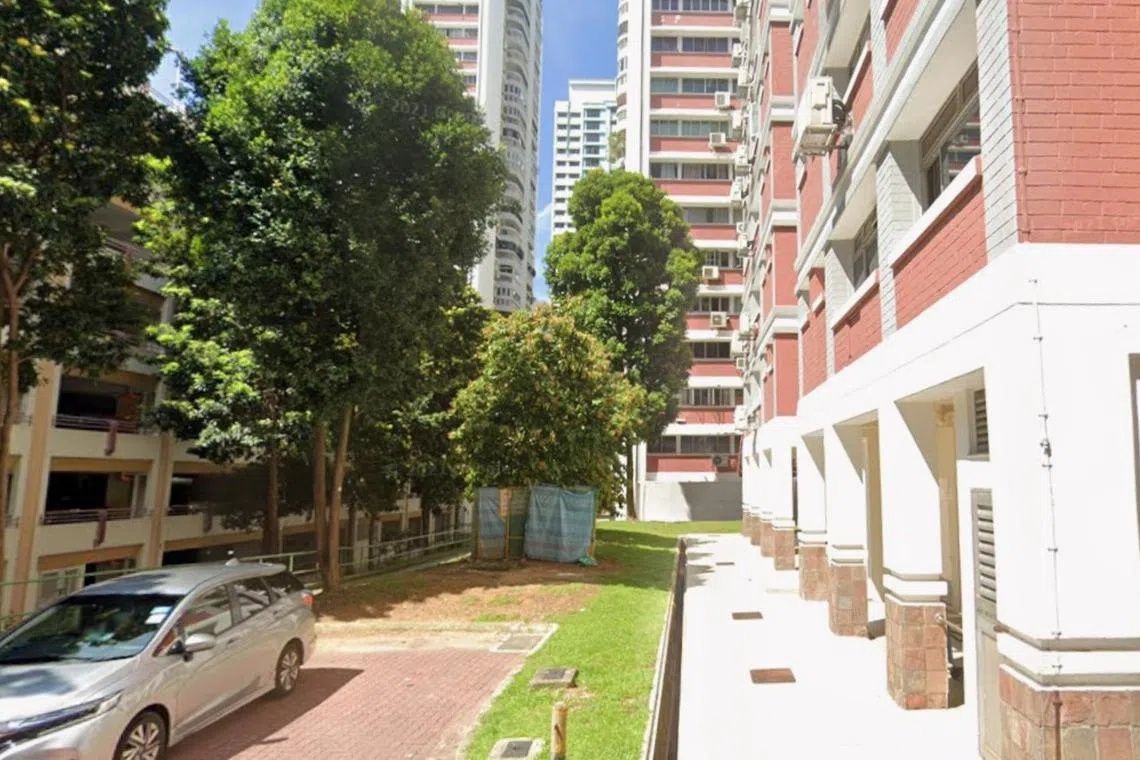
A 46-year-old woman in Singapore has been detained by authorities following an alleged knife attack on an acquaintance at a Housing Board residential block in the Bukit Merah neighbourhood on Saturday evening. The incident, which occurred at 7 Kim Tian Place, has drawn police attention amid broader regional concerns about public safety in residential areas across Southeast Asia.
According to statements from Singapore police released on July 5, officers responded to an emergency call at approximately 7.40pm on the night of July 4. The victim, a 43-year-old woman known to the accused, sustained injuries during the altercation at the void deck area of the HDB block—a common gathering space in Singapore's public housing estates that serves residential communities.
The accused woman faces charges of causing grievous hurt by means of a weapon, a serious charge under Singapore law that carries significant penalties. Officers at the scene recovered the knife believed to have been used in the assault, which now forms part of the investigation's physical evidence. The weapon's seizure represents a crucial step in the prosecution process, as it will undergo forensic examination to establish its connection to the incident.
The victim, conscious when emergency services arrived at the scene, was conveyed to Singapore General Hospital for treatment and assessment of her injuries. The fact that she remained conscious suggests the injuries, while serious enough to warrant hospitalisation and the severity of the charges laid, did not result in life-threatening conditions at the moment of hospital admission. Her current condition has not been disclosed in police statements.
Local media outlet Shin Min Daily reported observations of blood present at the void deck location, corroborating the violent nature of the confrontation. The presence of visible evidence at the public area underscores how such incidents, though relatively uncommon in Singapore's well-policed environment, can disrupt the sense of safety residents typically experience in their neighbourhoods. The void deck discovery also meant multiple witnesses may have been present or discovered the scene shortly after the attack.
The relationship between the two women as acquaintances rather than strangers adds another dimension to the investigation. Police typically pursue different investigative angles when incidents involve parties with prior connection, as disputes or grievances between known individuals often provide clearer motives than random attacks. Investigators will likely focus on establishing the circumstances that led to the escalation from whatever disagreement existed to the use of a weapon.
Singapore's law enforcement response demonstrates the island-state's established protocol for serious violent crimes. The swift police mobilisation and arrest reflect the city-state's commitment to maintaining public order, particularly in residential areas where families and elderly residents depend on feeling secure. The arrest itself, typically occurring within hours of such incidents in Singapore, showcases the efficiency of local law enforcement backed by CCTV coverage and rapid witness interviews.
For Malaysian readers accustomed to Singapore's reputation for strict law enforcement and low violent crime rates, this incident may seem noteworthy precisely because such attacks remain statistically uncommon in Singapore compared to many other major cities in the region. The case illustrates, however, that no urban environment is entirely immune to interpersonal violence, and that residential safety requires consistent vigilance and community awareness.
The ongoing investigation will determine what triggered the altercation and whether factors such as prior disputes, financial disagreements, or personal grievances contributed to the escalation. Police will also examine whether the accused had legitimate reason to carry the knife or whether it was brought to the location with intent to harm. Such details often prove crucial in determining sentencing outcomes and understanding the broader context of such incidents.
As investigations continue, the case serves as a reminder of the importance of conflict de-escalation and community reporting mechanisms across Southeast Asian cities. While Singapore maintains strong prosecution frameworks for violent offences, including mandatory penalties for weapon-related crimes, the incident highlights how quickly ordinary neighbourhood situations can become dangerous when weapons enter the equation.
The Bukit Merah neighbourhood, a well-established residential area housing thousands of families in its HDB blocks, will see increased police presence as inquiries advance. Authorities typically increase patrols in areas following such incidents, both to reassure residents and to gather any additional witness information that may have surfaced following initial reports. For the broader community, the case underscores the value of reporting suspicious activities and maintaining awareness of one's surroundings in shared residential spaces.

