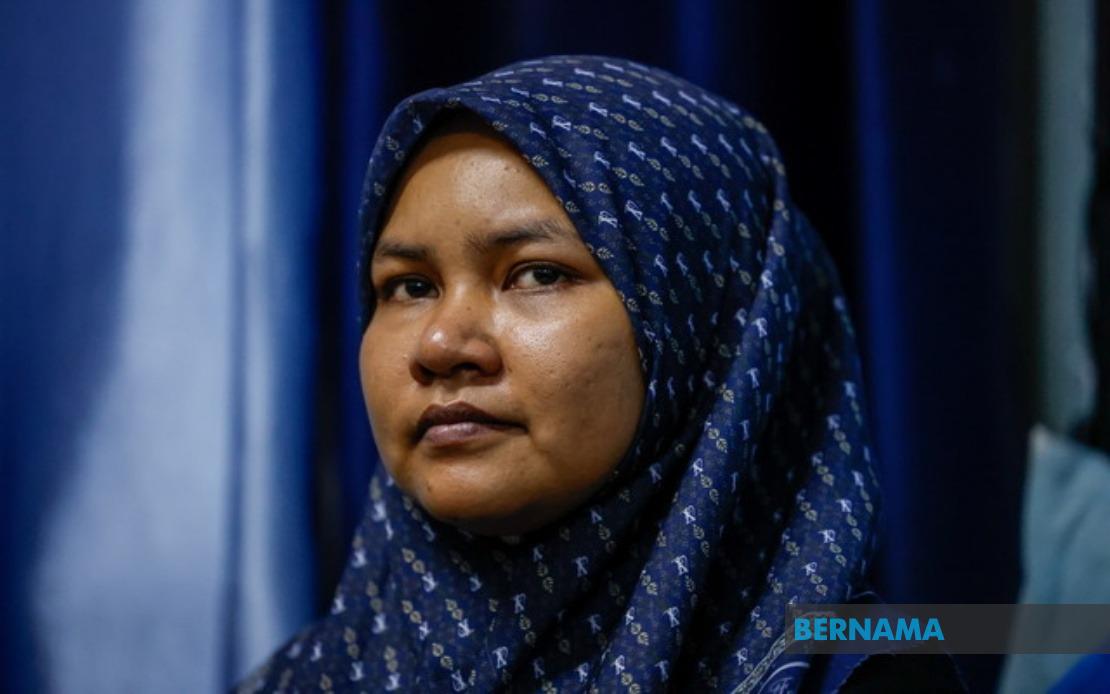
The widow of delivery rider Amirul Hafiz Omar, who was fatally struck by a vehicle allegedly driven by an intoxicated motorist in Klang, intends to pursue a RM1 million civil claim against the accused driver. According to her legal representative Nur Iffah Hizwani Omar, the necessary legal documents including a writ of summons and statement of claim have been prepared and are scheduled for filing at the Shah Alam High Court in August, contingent upon the finalisation of administrative requirements.
The tragic incident occurred on March 29 on Jalan Raya Barat in Klang, claiming the life of the 33-year-old delivery worker. The accused, R. Saktygaanapathy, 28, currently faces serious criminal charges related to the fatal collision. Initially charged with murder under Section 302 of the Penal Code on April 1, the charge was later amended to a drug-related offence, with Saktygaanapathy pleading not guilty on June 3 to self-administering tetrahydrocannabinol under the Dangerous Drugs Act 1952. The High Court retains jurisdiction over the original murder charge, which remains unresolved pending further legal proceedings.
The civil suit preparation has encountered procedural delays typical in Malaysian personal injury and wrongful death litigation. The primary impediment to filing the claim is the pending issuance of a Letter of Administration, a legal document essential for the widow to act on behalf of her deceased husband's estate. The application for this document was submitted to the Kuala Lumpur High Court, with a decision anticipated on July 28. This administrative step, while procedurally necessary, underscores the complexity faced by families navigating both criminal and civil justice systems simultaneously.
Crucial to establishing the quantum of damages is obtaining comprehensive financial documentation related to the deceased's supplementary income sources. Nor Nadia Abdul Majid, the 32-year-old widow, and her legal team have specifically requested records from the e-hailing platform through which her husband generated additional earnings beyond his primary delivery work. These income documents will directly influence the final compensation claim amount, as Malaysian courts typically assess damages based on lost future earning capacity and financial dependence.
The RM1 million claim figure represents the current instruction from the widow to her legal counsel, though this quantum may be adjusted following a thorough financial analysis. The calculation of such claims typically encompasses multiple components: lost wages, loss of consortium, medical expenses if applicable, funeral costs, and the financial impact on dependent children. For delivery workers whose income is often based on variable per-delivery rates and platform-dependent employment, reconstructing accurate earning histories can prove challenging and time-consuming.
For Malaysian readers, this case illustrates the persistent challenges facing delivery and gig economy workers, whose precarious employment status leaves families particularly vulnerable in tragic circumstances. The absence of traditional employment contracts and benefits means that upon an income earner's death, dependents must pursue civil remedies to secure financial compensation. This widow's experience reflects a broader issue affecting Southeast Asia's rapidly expanding gig economy, where workers frequently lack comprehensive insurance and formal employment protections.
Nor Nadia has spoken candidly about her emotional journey since the fatal incident nearly four months ago. She described an unexpected timeline of grief, noting that the initial weeks following her husband's death felt surreal, as though he had simply departed for his usual work shift. Only after three months did the profound reality of her loss crystallise, bringing intensifying waves of emotional distress. This delayed grief response, while not universally experienced, is documented in bereavement literature and underscores the psychological toll of sudden, violent death on surviving family members.
The widow's particular anguish centres on her two children and the daily responsibilities her husband previously managed with unwavering consistency. According to her account, Amirul Hafiz maintained an exemplary routine of personally transporting their children to school each morning and collecting them at midday for lunch at home, regardless of weather conditions or other challenges. This hands-on parental involvement, while admirable, has created a significant void that Nor Nadia must now fill alone while simultaneously managing household operations and processing grief. Her description vividly captures how workplace deaths in the gig economy extend consequences far beyond individual victims, fundamentally altering family structures and children's daily experiences.
The criminal proceedings against Saktygaanapathy remain ongoing, with the murder charge under the jurisdiction of the High Court. Should the accused ultimately face conviction on either the original charge or the amended drug-related offence, such an outcome could substantiate claims of negligence or recklessness in the civil proceedings, potentially strengthening the widow's litigation position. Conversely, any acquittal or reduced conviction would complicate the civil case, though not necessarily preclude damages claims under established principles of civil liability.
For Malaysian society, this case crystallises the intersection of substance abuse, road safety, and worker vulnerability. The incident demonstrates how drug-impaired driving carries consequences extending far beyond the immediate parties involved, devastating families and communities. The widow's civil suit, once filed, will set a precedent regarding damages assessment for gig economy workers in similar circumstances, potentially influencing future claims by delivery riders, ride-share drivers, and other platform-dependent workers.
The legal process ahead remains lengthy and complex. Beyond the August filing, the civil suit will likely proceed through discovery phases, potentially contested hearings, and possible appeals regardless of the initial outcome. For Nor Nadia and her children, the financial resolution through civil courts offers one pathway toward rebuilding their lives, though no monetary compensation can fully address the emotional and practical losses incurred. The case underscores the importance of comprehensive victim support systems and workplace protections for Malaysia's growing contingent of gig economy workers, whose precarious status leaves families exposed to severe hardship when tragedy strikes.

