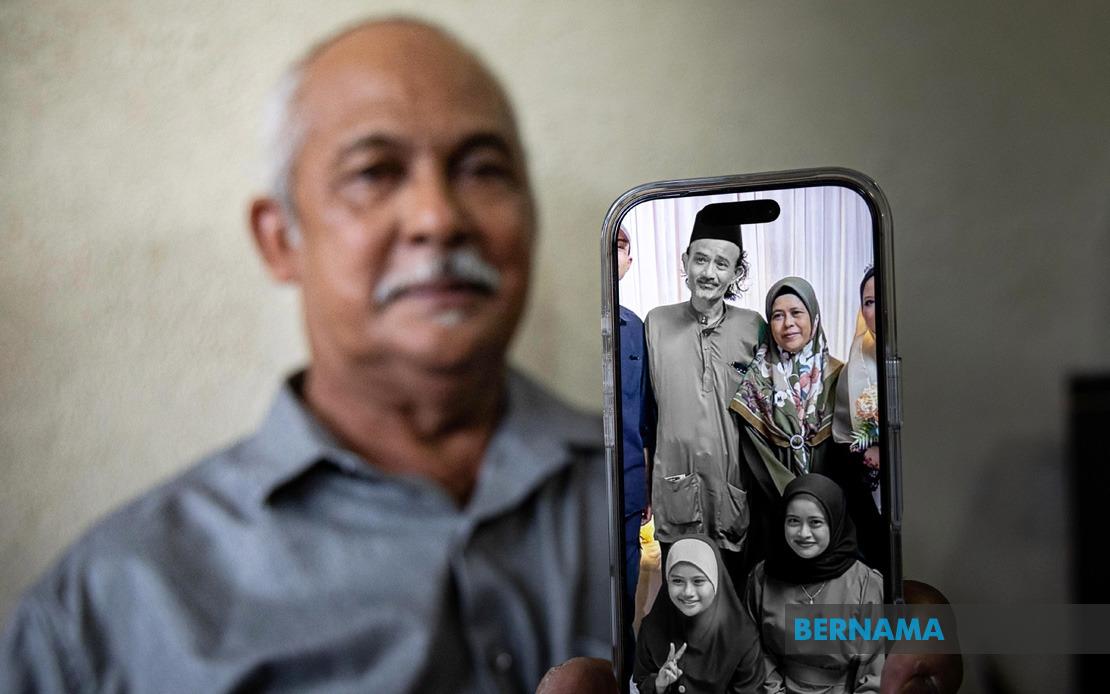
Norhayati Razali, 55, remains caught between physical recovery and psychological trauma following a catastrophic road accident that claimed her family. The sole survivor of the collision involving a Malaysian Immigration Department truck on Jalan Sultan Ismail in Kuala Lumpur continues to show medical improvement at Kuala Lumpur Hospital's Intensive Care Unit, having progressed enough to take food and water without mechanical assistance. Yet her condition masks a deeper struggle with cognitive function that may complicate her grieving process and long-term rehabilitation.
The tragedy unfolded on Wednesday when an empty JIM Black Maria truck, activated with beacon and siren for an immigration enforcement operation in Chow Kit, allegedly proceeded through a red traffic light. The vehicle collided with a Proton Saga sedan that had legal right of way, triggering a chain reaction that left three members of Norhayati's immediate family dead and her hospitalised with multiple traumatic injuries.
Norhayati's medical injuries are extensive. Her brother Mohd Nadzri Razali, 69, detailed the extent of her physical trauma, noting damage to both upper and lower limbs, spinal regions, and crucially, head injuries that have triggered memory disturbances. These neurological complications represent the most pressing concern for her family. While doctors have cleared her progression to a general ward—a positive indicator—questions persist about whether permanent cognitive deficits may result from the trauma.
The psychological dimension of her recovery presents particular challenges. Family members confronted Norhayati with the reality of her losses after she regained initial consciousness, physically showing her the bodies of her deceased husband and children and explaining what had transpired. In that moment, she appeared to comprehend, nodding silently in acknowledgment of the devastating information. Yet the following day, she inquired about their whereabouts, suggesting either incomplete memory retention or psychological denial—a phenomenon not uncommon among trauma survivors processing catastrophic loss.
Mohd Nadzri expressed uncertainty about whether his sister's questions reflected genuine memory failure or an unconscious coping mechanism, underscoring the complexity of trauma rehabilitation. This ambiguity highlights how physical recovery and psychological healing operate on entirely different timescales. Medical professionals can mend broken bones and manage acute injuries; processing the sudden death of immediate family members presents challenges that transcend clinical intervention.
The family currently faces uncertainty regarding Norhayati's treatment trajectory. Her brother indicated that medical professionals have not yet determined whether she can be transferred to a facility closer to the family's home base in Perak, such as Ipoh or Teluk Intan. Should such transfer prove possible, it would substantially ease the logistical burden on family members attempting to provide support and care during her recovery. Currently, visits require substantial travel from Perak to Kuala Lumpur, a distance and driving complexity that has prevented even close relatives from maintaining regular contact.
Mohd Nadzri himself has been unable to visit his hospitalised sister, lacking reliable transportation to Kuala Lumpur and expressing unfamiliarity with the capital's road networks. This geographic separation, while perhaps temporary, symbolises the broader disruption the accident has inflicted. He plans to arrange a visit this weekend through external assistance, underscoring how families must reorganise their lives around medical crises. The incident has fractured not just one family unit but the practical support networks surrounding it.
Beyond the immediate medical and familial dimensions, the accident raises significant questions about operational procedures within government departments. The JIM truck was performing an authorised immigration enforcement operation—a legitimate government function—yet the circumstances of the collision suggest potential procedural failures. The vehicle allegedly entered an intersection against traffic regulations while operating with activated emergency signals and siren, a combination that, if confirmed, indicates either operator error or inadequate safety protocols governing high-risk enforcement activities.
Mohd Nadzri has appealed for justice through transparent investigation, specifically requesting that authorities examine traffic camera footage from the intersection if available. This plea reflects not merely personal desire for accountability but a broader public interest in understanding how such tragedies occur and what systemic safeguards might prevent recurrence. When government vehicles engaged in enforcement operations cause civilian deaths, the investigation's integrity becomes a matter of institutional credibility.
The accident occurred when the JIM truck was en route to conduct an immigration operation targeting undocumented migrants in the Chow Kit area of central Kuala Lumpur. The enforcement operation itself represents standard government activity, yet the collision raises questions about whether operational urgency had compromised safety considerations. The truck's activation of emergency equipment while allegedly disregarding traffic signals suggests a potential imbalance between operational objectives and public safety responsibilities.
Norhayati's recovery journey represents one thread in a larger tragedy affecting multiple parties. The collision also injured another individual and destroyed multiple vehicles, creating a cascade of harm across several families and communities. As Norhayati rebuilds her physical health and navigates the profound psychological challenge of bereaving her spouse and children while managing cognitive complications, her case serves as a stark illustration of how a single moment of negligence or poor judgment can permanently alter countless lives.
The family's cautious optimism about her physical progress must be tempered with realistic assessment of the neurological and emotional challenges ahead. Her eventual return to Perak, if medically cleared, will mark only the beginning of longer-term rehabilitation. The question of whether her memory difficulties prove temporary or permanent will shape her entire subsequent life. Meanwhile, the investigation into how the accident occurred remains critical not only for this grieving family's sense of justice but for broader accountability within government operations affecting public safety.

