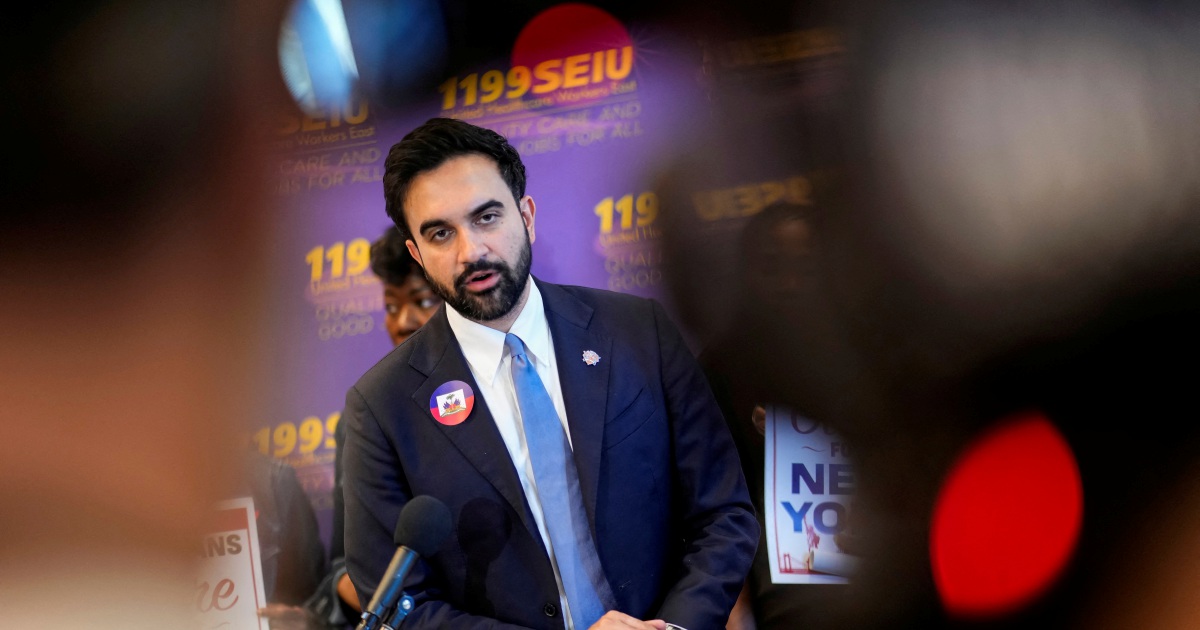
New York Mayor Zohran Mamdani this week concluded that he possesses no legal basis to detain Israeli Prime Minister Benjamin Netanyahu should the Israeli leader travel to the American metropolis, effectively abandoning an earlier position in which he suggested such an arrest might be feasible. The reversal represents a notable about-face after the mayor had previously indicated he was exploring the possibility of taking such action against Netanyahu on grounds of alleged war crimes.
Mamdani's clarification underscores a fundamental tension between municipal authority and the broader framework of international law and diplomatic immunity that shields high-ranking government officials. As an elected city administrator, the mayor operates within strict constitutional boundaries that severely constrain his ability to initiate criminal proceedings against foreign dignitaries, regardless of the gravity of accusations levelled against them or the moral imperatives that might motivate such action.
The legal architecture protecting senior government officials flows from both domestic American law and international conventions that have been ratified by the United States. These protections exist partly to facilitate diplomatic relations and enable leaders to travel without fear of arbitrary detention by local authorities. When a sitting head of government or prime minister enters another country, they retain immunities that insulate them from prosecution in that nation's courts, even when serious allegations have been raised against them. This immunity framework persists even in jurisdictions with robust legal systems and reputations for judicial independence.
For Malaysian and Southeast Asian observers, Mamdani's situation highlights the practical limitations that constrain even well-intentioned municipal leaders seeking accountability for alleged international crimes. The region, home to multiple unresolved historical atrocities and ongoing geopolitical tensions, frequently grapples with questions of jurisdiction and immunity. The precedent that local authorities cannot unilaterally override diplomatic protections has profound implications for how developing nations can pursue accountability for alleged violations committed by powerful states.
Mamdani's initial suggestion that arrest might be possible likely reflected growing pressure from constituents deeply concerned about civilian casualties and humanitarian conditions resulting from military operations in Gaza. New York City, with its substantial Muslim and Arab-American populations, has witnessed significant protests and activism demanding accountability for alleged Palestinian casualties. The mayor appeared responsive to these grassroots movements, but subsequently discovered that moral conviction and public mandate alone cannot override established legal doctrine surrounding official immunity.
The distinction between what a mayor might wish to accomplish and what he possesses authority to execute represents a crucial separation of powers principle embedded in democratic systems. Municipal leaders, despite their visibility and political importance, operate within carefully defined jurisdictional domains. Criminal prosecutions involving foreign officials require intervention at the federal level, where the State Department and Department of Justice can weigh diplomatic, national security, and legal considerations. This hierarchy of authority ensures that responses to alleged international crimes remain coordinated through appropriate institutional channels rather than being subject to ad hoc local decisions.
Netanyahu's potential visit to New York would not be unprecedented. Israeli leaders routinely attend United Nations General Assembly sessions and other international forums hosted in Manhattan. These visits proceed under understood protocols that respect the immunity frameworks governing international diplomacy. Should Netanyahu ever face accountability for alleged war crimes, such proceedings would need to occur through mechanisms like the International Criminal Court, which maintains jurisdiction over grave violations regardless of where high officials may travel. The ICC's inability to apprehend suspects without state cooperation remains a separate limitation that affects all nations, not merely Israel.
Mamdani's reversal also reflects the complexity of defining and prosecuting alleged war crimes within democratic systems committed to the rule of law. While accusations of disproportionate civilian harm carry substantial moral weight, establishing criminal liability requires adherence to evidentiary standards and legal procedures designed to protect defendants' rights while ensuring justice. International courts possess expertise in navigating these intricate determinations in ways that municipal authorities do not. The mayor's initial impulse toward direct action, while emotionally resonant, would have created dangerous precedents allowing cities worldwide to detain foreign officials based on contested allegations.
For Southeast Asian policymakers and legal professionals, this episode provides instructive lessons about the boundaries of municipal power and the continued centrality of state-level mechanisms in international accountability efforts. Developing nations sometimes face pressure to arrest foreign officials over alleged crimes, yet similar immunity frameworks protect their own leaders. The consistent application of diplomatic immunity principles, however frustrating to those seeking accountability, maintains stability within the international system that all nations depend upon for peaceful coexistence.
Mamdani's conclusion represents an acknowledgment that even major American cities cannot unilaterally reshape international law or override diplomatic conventions, no matter how morally compelling the underlying cause. The limitations he encountered reflect the same constraints that affect other jurisdictions globally, including developing democracies in Asia that similarly struggle to balance respect for international norms with pressure from populations demanding accountability for alleged atrocities. Ultimately, reform of these systems requires coordinated international action rather than isolated municipal initiatives.

