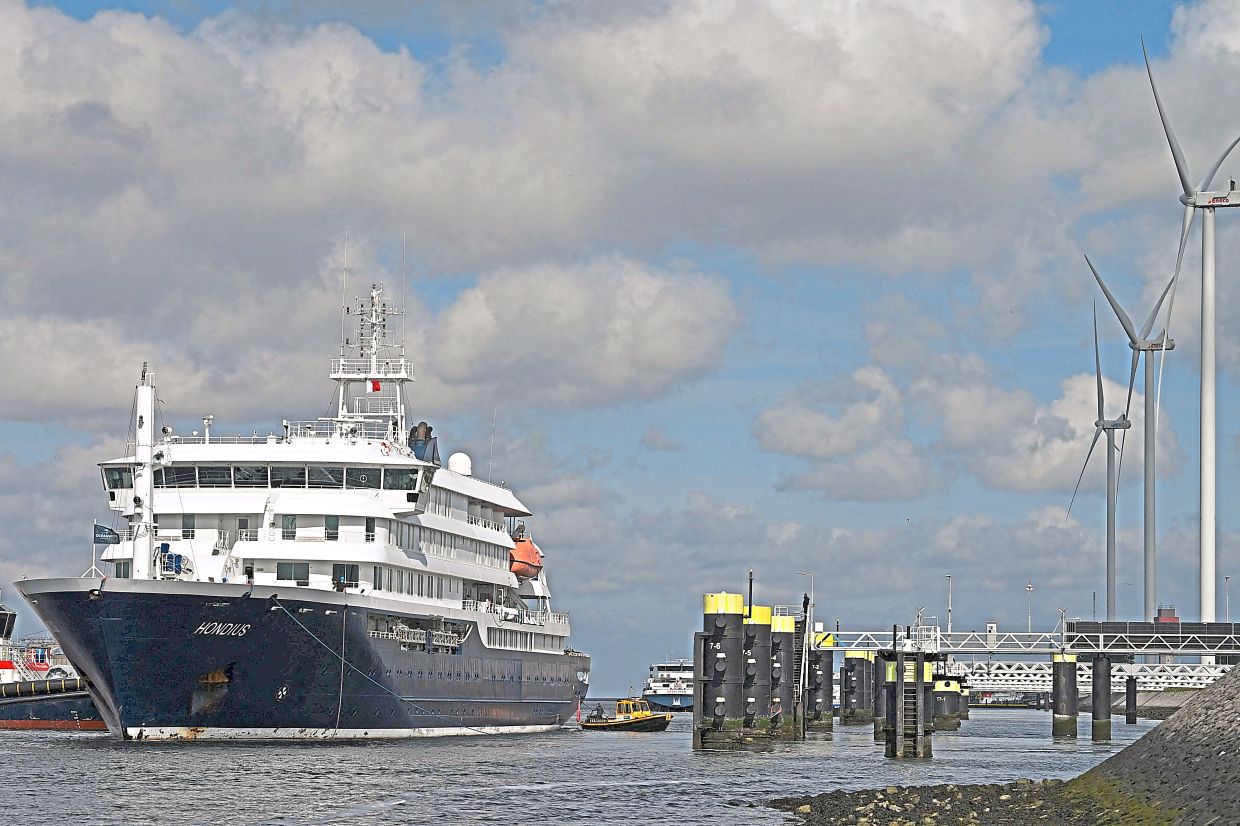
The World Health Organization formally declared an end to a dangerous hantavirus outbreak that gripped international attention after the last quarantined individual completed isolation and returned home on July 2, 2026. The episode, which unfolded aboard the polar exploration vessel MV Hondius, ultimately resulted in three fatalities among twelve confirmed infections, plus one probable case. Despite the official closure of the outbreak, epidemiologists and public health researchers now face the challenging task of extracting critical lessons from this unusual maritime incident and understanding the mechanisms behind human-to-human transmission of a typically rodent-borne pathogen.
WHO Director-General Tedros Adhanom Ghebreyesus announced the milestone during a press briefing, noting that the final exposed passenger had tested negative following their quarantine period. With no fresh cases reported since May 25, 2026, the organization determined that conditions warranted formal termination of the public health emergency declaration. This conclusion represented a significant checkpoint in global disease surveillance, marking the controlled containment of a virus that had triggered coordinated responses across multiple continents and raised concerns about disease transmission in confined environments like ocean-going vessels.
The MV Hondius, a Dutch-flagged Antarctic and sub-Antarctic expedition ship, departed Ushuaia in Argentina on April 1, 2026, embarking on a voyage intended to showcase some of the world's most remote territories. The itinerary encompassed the isolated island group of Tristan da Cunha in the South Atlantic, alongside other exceedingly isolated locations, before the vessel changed course northward toward Spain's Canary Islands. Once the hantavirus outbreak became apparent, authorities orchestrated the evacuation of remaining passengers to Tenerife, effectively transforming what began as a luxury expedition into a biosecurity crisis that demanded immediate multinational coordination.
The scale of the contact-tracing operation underscored the serious nature of the incident. Health authorities across 33 countries and territories identified and monitored more than 650 individuals who had potentially encountered infected persons, a logistical undertaking that demonstrated both the interconnectedness of modern global travel and the vulnerability of international maritime operations to rapid disease propagation. The geographic dispersion of contacts highlighted how a single outbreak aboard a cruise ship could instantly become a transnational epidemiological challenge requiring simultaneous interventions across multiple health systems and regulatory frameworks.
Hantavirus itself represents a particular public health concern due to the absence of vaccines or specific therapeutic interventions. The pathogen normally circulates among rodent populations, with transmission to humans occurring primarily through contact with infected animal droppings, urine, or saliva. However, the Andes strain identified aboard the MV Hondius possesses a distinctive and worrying capability: it remains the sole recognized variant demonstrating sustained human-to-human transmission potential. This characteristic elevated the outbreak from a typical zoonotic disease incident to something far more alarming from an epidemiological standpoint, as traditional prevention measures focused on rodent avoidance proved insufficient.
The ship itself underwent comprehensive sanitization following its arrival at Rotterdam harbour in the Netherlands on May 18, 2026. This procedural step, while important for public confidence and biosecurity protocols, also reflected the unprecedented nature of managing a hantavirus outbreak within the confined spaces of a modern vessel. The decision to complete the voyage to the Netherlands rather than diverting elsewhere had been carefully considered, weighing operational logistics against health security concerns.
Moving forward, the WHO has committed substantial resources toward understanding the fundamental biology and epidemiology of this outbreak. The organization is coordinating an expansive multinational study involving researchers from 21 countries, designed to examine how hantavirus infection develops within human hosts and progresses clinically. This research initiative carries implications well beyond academic interest; the data gathered will directly inform the development of diagnostic tools, potentially life-saving therapeutics, and vaccine candidates that could protect populations in future outbreaks. For Southeast Asian countries and regional health authorities, such research advances carry particular significance given the region's dense populations, extensive shipping traffic, and existing challenges with other vector-borne and zoonotic diseases.
The containment of this outbreak provides important lessons for maritime authorities and cruise operators across Asia-Pacific, where expedition cruising to remote polar regions has expanded considerably. The incident demonstrated that even ultra-modern vessels with sophisticated sanitation systems remain vulnerable to pathogen transmission when novel or human-transmissible strains emerge. It also highlighted gaps in early detection protocols aboard ships operating in international waters, where coordination between flag state authorities, port authorities, and international health organizations can sometimes operate at cross-purposes.
For Malaysian authorities and the broader Southeast Asian region, the hantavirus incident carries operational relevance. While Southeast Asia is geographically distant from the Antarctic waters where the MV Hondius was operating, the region's significant port infrastructure, international shipping hubs, and substantial cruise tourism industry mean that any lessons about disease containment in maritime settings deserve serious attention. Malaysia's major ports, particularly in Klang, Port Klang, and Penang, regularly accommodate international vessels, and the country's position as a regional medical hub means cross-border patient movement could introduce diseases rapidly across the region.
The formal declaration of outbreak completion also underscores how international disease surveillance systems now function with remarkable coordination and transparency. The sharing of epidemiological data, genome sequences, and case information across 33 countries demonstrated the maturity of global health governance frameworks established since the 2003 SARS outbreak and refined during subsequent pandemic responses. This institutional memory and procedural familiarity enabled authorities to mobilize rapidly and coordinate effectively, preventing what could have become a far more extensive international crisis.
Looking ahead, the focus on understanding Andes hantavirus transmission mechanisms and developing countermeasures reflects a broader recognition that emerging infectious diseases—particularly those capable of jumping between species or gaining novel transmission characteristics—represent persistent threats to global stability. The scientific work now beginning across multiple countries will require years to complete, but the knowledge generated should enhance preparedness for future zoonotic outbreaks, whether they originate in polar regions, tropical forests, or urban centers. For a region like Southeast Asia, where rapid urbanization, agricultural intensification, and wildlife encroachment create conditions favoring zoonotic spillover events, such preparatory investments carry direct relevance to regional public health security.

