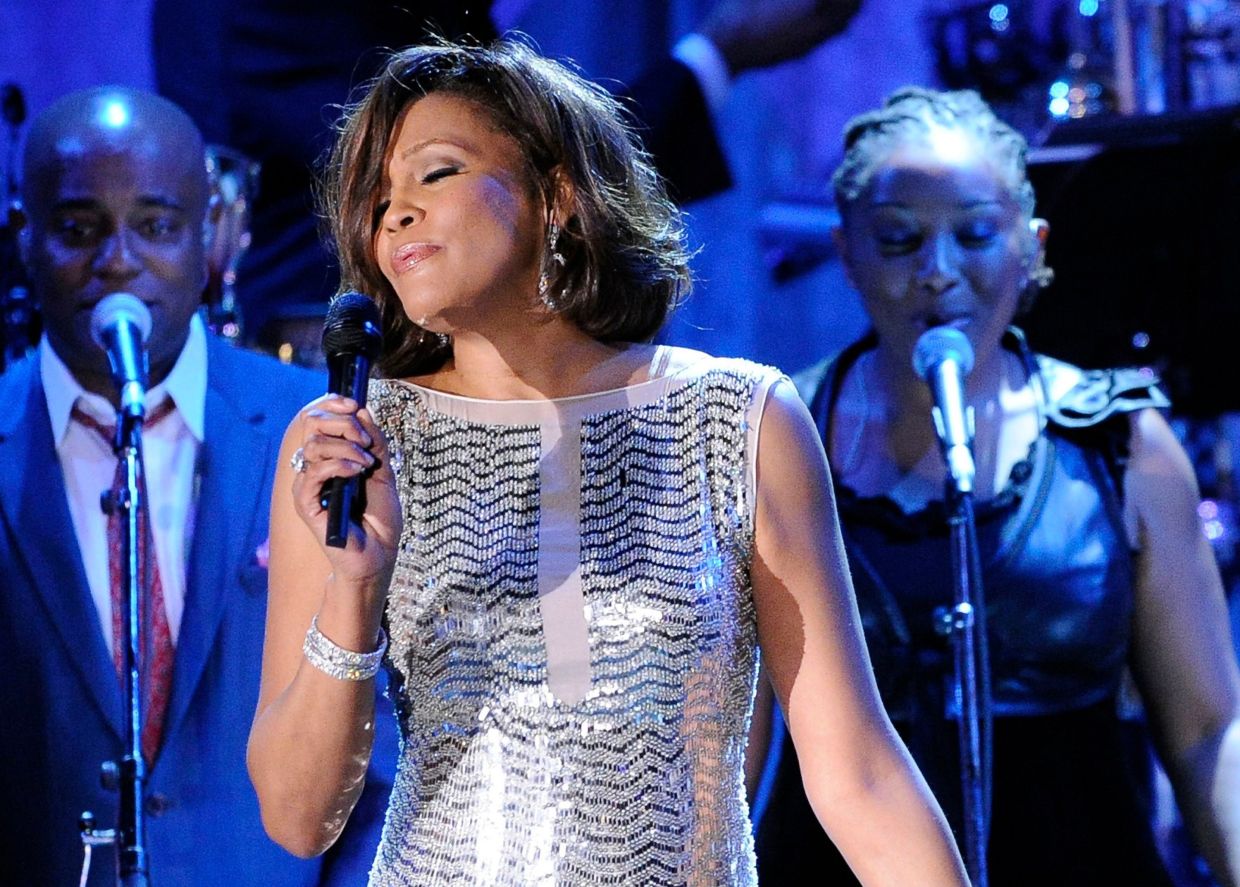
The Whitney Houston estate is marking what would have been the legendary singer's 63rd birthday with a dual tribute that encapsulates both her unparalleled commercial success and enduring cultural influence: a definitive compilation of her 11 Billboard Hot 100 No.1 hits and an inaugural Whitney Houston Barbie doll produced by Mattel. These releases represent a carefully curated approach to preserving one of music's most distinctive legacies, overseen by Pat Houston, the executor of Whitney Houston's estate and her sister-in-law.
The No.1 hits compilation arrives at a symbolic moment, nearly four decades after Houston's breakthrough in the 1980s fundamentally altered the landscape of popular music. These chart-topping singles did far more than accumulate commercial success; they became the defining soundtrack for millions of listeners worldwide, transcending the boundaries of mainstream pop to touch audiences across multiple generations and cultural demographics. Pat Houston emphasises that assembling this collection was a natural evolution of the estate's mission, as Houston herself consistently viewed her most celebrated work as representative of the full scope of her artistic achievement and career trajectory.
The decision to produce a Whitney Houston Barbie doll carries particular poignancy, as it fulfills a vision that took more than two decades to realise. Pat Houston reveals that she and Whitney discussed the possibility of a Barbie collaboration over 20 years ago—a conversation that seemed improbable at the time but ultimately demonstrates the enduring resonance of Houston's legacy in global popular culture. The eventual collaboration with Mattel's creative team culminated in a product that Houston describes as both emotionally significant and artistically meaningful, serving as tangible evidence that certain aspirations, when rooted in genuine purpose and affection, can transcend the passage of time and reach across generational divides.
The estate's approach to these commemorations reflects a broader philosophical position about managing Whitney Houston's cultural and commercial legacy. Rather than pursuing every possible project that emerges from industry discussions, Pat Houston articulates a commitment to purpose-driven initiatives that avoid oversaturation of the market. This cautious methodology acknowledges that Houston's catalogue and artistic reputation remain extraordinarily valuable assets, but also recognises that indiscriminate licensing or posthumous projects can dilute the impact and meaning of a legacy as significant as hers.
Central to understanding Houston's artistic trajectory is the relationship between Whitney and legendary music executive Clive Davis, whose influence extended far beyond the conventional boundaries of professional management. Davis identified Houston's exceptional vocal gifts and provided the creative architecture through which she could develop her craft at the highest levels. Pat Houston emphasises that this partnership transcended standard industry relationships; Davis and Houston maintained a genuine mutual affection and respect that persisted throughout their lives and continues to define how her legacy is discussed and commemorated within the music industry.
The estate continues to explore additional projects and potential collaborations, though specific details remain confidential until formal agreements are finalised. Pat Houston indicates that various proposals regularly surface from industry partners and creative teams, yet each receives scrutiny to ensure alignment with the overarching mission of authentically representing Whitney's contributions to music and popular culture. This selective approach protects against the risk of diminishing her legacy through projects that lack genuine creative merit or purposeful connection to her artistic identity.
Among the initiatives under consideration are previously unreleased live performances that have circulated within certain international markets but remain unknown to North American audiences. Pat Houston expresses particular enthusiasm about the possibility of producing and presenting these archival concert recordings, believing they would demonstrate Houston's unmatched gifts as a live performer to fans who have never witnessed these specific performances. Such projects would serve the dual purpose of introducing new material while simultaneously reinforcing Houston's status as one of the most technically gifted and emotionally compelling vocalists in recorded music history.
The significance of Houston's vocal capabilities cannot be overstated within the context of her legacy. Her voice itself represented something genuinely exceptional—a combination of technical mastery, emotional authenticity, and stylistic versatility that defied easy categorisation or imitation. Beyond the commercial metrics of chart performance or unit sales, Houston's primary contribution to the music industry involved expanding the expressive possibilities of the human voice and establishing new standards for vocal artistry that influenced countless subsequent performers across multiple genres.
For Malaysian and Southeast Asian audiences, the Whitney Houston legacy represents an important chapter in the globalisation of popular music and the transcendent power of exceptional artistry to bridge cultural and geographical boundaries. Houston's influence extended far beyond English-speaking markets, with her performances and recordings achieving prominence in countries throughout Asia, demonstrating how genuine artistic excellence achieves resonance across diverse cultural contexts. The current commemorative efforts, including the Barbie collaboration and archival releases, underscore how posthumous celebration of iconic artists can continue generating cultural value and introducing their work to emerging generations of listeners.

