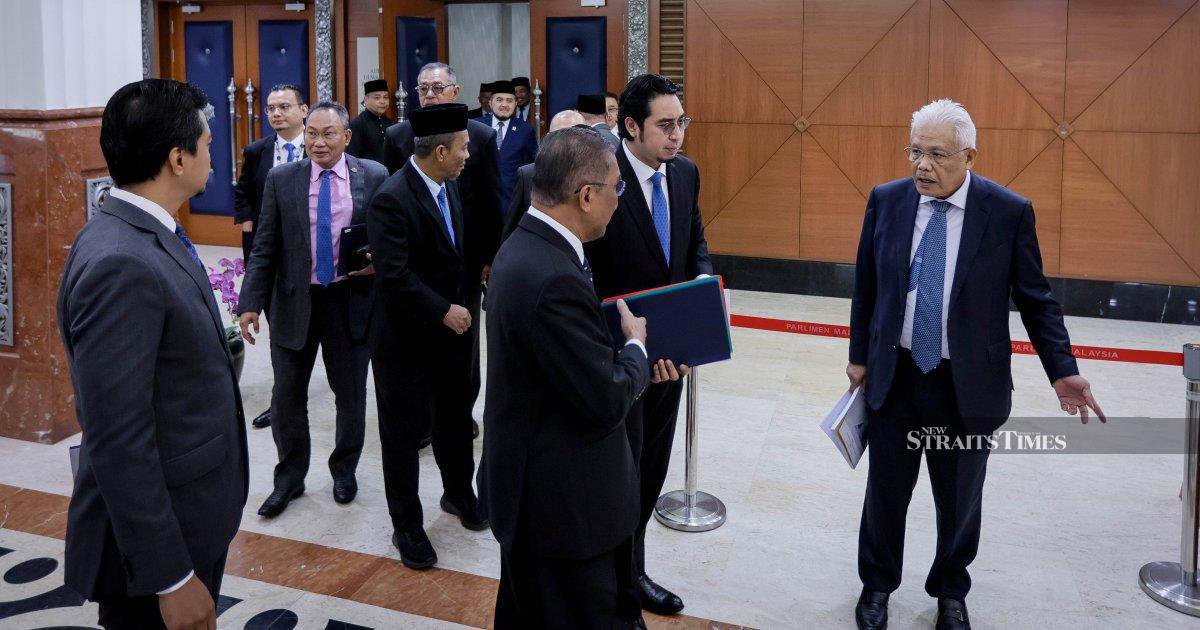
Malaysia's parliament witnessed another dramatic walkout when opposition lawmakers staged a protest against the findings of the Royal Commission of Inquiry into Tabung Haji management. This latest display of parliamentary theatre has once again highlighted a fundamental paradox in the nation's political culture: the same tactical action receives wildly different interpretations depending on which side of the aisle employs it.
Walkouts and boycotts have become increasingly common tools in Malaysian parliamentary practice, yet they reveal little consensus about their legitimacy or effectiveness. Supporters of a particular walkout typically frame it as a necessary stand against injustice, institutional failure, or procedural impropriety. Critics of the same action characterise it as grandstanding, an abdication of parliamentary duty, or worse — an attempt to obstruct legitimate government business. This fundamental disagreement about the nature of parliamentary protest reflects deeper divisions about what parliament should be and who gets to define legitimate dissent within it.
The Tabung Haji situation itself carries significant weight for ordinary Malaysians. The pilgrim fund serves millions of Muslims preparing for the hajj pilgrimage, making management integrity and accountability matters of genuine public concern. When opposition members walked out over the Royal Commission of Inquiry report, they signalled serious objections to either the inquiry's conclusions or the government's response to them. Yet by framing their protest through parliamentary theatrics rather than substantive debate, the underlying issues risk becoming secondary to questions about decorum and political manoeuvring.
This pattern has become distressingly familiar in Malaysian politics. Rather than walkouts provoking serious examination of institutional problems, they typically trigger meta-arguments about parliamentary conduct itself. News cycles and public commentary focus on whether the protest was justified procedurally rather than whether the substantive concerns merited parliamentary attention. The original issues — whether concerning Tabung Haji, judicial independence, electoral matters, or other contentious topics — become buried under discussion of protest tactics and political theatre accusations.
The strategic calculus behind walkouts deserves scrutiny. Opposition lawmakers face genuine constraints: they are outnumbered in parliament, have limited influence over parliamentary business, and often struggle to amplify their message beyond the chamber. A walkout provides visibility, generates news coverage, and signals strong disagreement to their supporters and the public. From this perspective, it represents a rational choice for a minority trying to be heard. Yet the same logic suggests that walkouts can become reflexive responses rather than carefully considered tactical decisions, deployed for effect rather than because alternatives have been exhausted or found inadequate.
International practice offers limited guidance. Parliaments in established democracies use walkouts sparingly and usually in response to extraordinary circumstances — breaches of procedure, severe provocation, or fundamental challenges to democratic norms. When used frequently, walkouts lose their power to signal seriousness and instead become normalised components of political combat. Malaysian parliament appears to be drifting toward this normalisation, where walkouts are deployed relatively routinely without the ceremonial weight they perhaps ought to carry.
The broader implications for Malaysian parliamentary culture are concerning. When protest tactics dominate the narrative, substantive scrutiny suffers. Tabung Haji deserves rigorous examination of governance failures, financial management, and accountability measures. Whether the Royal Commission of Inquiry was sufficiently independent, whether its terms of reference were adequate, and whether its recommendations address identified problems — these questions matter deeply to millions of Malaysian Muslim families saving for pilgrimage. Yet if parliamentary proceedings devolve into disputes about protest conduct, these substantive questions may never receive the thorough airing they deserve.
There is also the question of what effective opposition actually entails in a Westminster-derived system. Some argue that walkouts represent the only meaningful tool available to a marginalised minority. Others contend that absence from parliamentary proceedings surrenders whatever influence or platform the opposition retains. Opposition members who walk out cannot subsequently table amendments, pose follow-up questions, or insert statements into the parliamentary record. They temporarily abandon their seats and voices precisely when those seats and voices might matter most, even if parliamentary mathematics ensure they cannot carry a vote.
The Tabung Haji walkout also invites reflection on parliamentary legitimacy more broadly. If either the government or opposition routinely uses parliament as a venue for protest theatre rather than deliberation, public confidence in the institution declines. Parliament becomes a stage for pre-arranged performances rather than a forum where genuine debate might shift positions or forge compromise. This erosion of parliamentary function ultimately harms everyone — government and opposition alike — by diminishing parliament's authority and relevance.
Moving forward, Malaysian political leadership might benefit from clearer norms about when walkouts constitute legitimate protest and when they represent abdication of parliamentary responsibility. This need not mean eliminating walkouts entirely. Rather, their use might be reserved for genuinely exceptional circumstances: profound breaches of procedure, violations of parliamentary privileges, or rejection of fundamental democratic principles. More routine disagreements might be better addressed through extended debate, amendment proposals, recorded votes, or public statements that allow opposition members to advance their arguments while remaining engaged in parliament's work.
Ultimately, the Tabung Haji walkout and its predecessors expose a crisis not of parliamentary procedure but of parliamentary imagination. Malaysian politicians across the spectrum seem to have forgotten that parliament's primary function is not to perform for supporters or media but to scrutinise government, deliberate policy, and hold institutions accountable. When protest becomes the story, that fundamental function falls away, and all Malaysians — regardless of political affiliation — lose something valuable.

