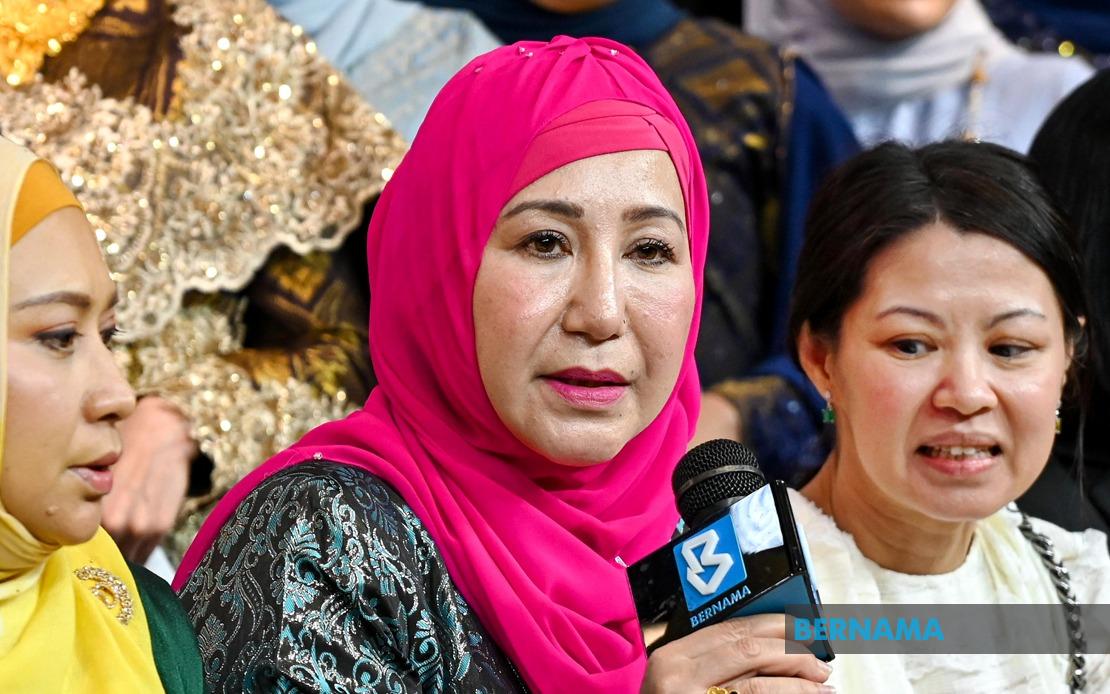
The Persatuan Usahawan Wawasan Wanita Malaysia (WAWASANITA) is moving forward with plans to establish an integrated food manufacturing and packaging hub in Sungai Besar, marking an ambitious effort to revitalize rural entrepreneurship in Selangor. The initiative represents a strategic pivot toward collective production and professional marketing standards for small-scale food processors who have historically operated independently with limited market access and inconsistent product quality.
Dr Norli @ Norlaili Alias, president of WAWASANITA, outlined a collaborative framework involving more than 60 non-governmental organisations, industry associations, and local community leaders. This multi-stakeholder approach reflects a recognition that individual cottage enterprises, while culturally significant and economically viable at modest scales, require institutional support systems to compete in modern retail and export markets. The hub's architecture prioritizes consolidation of production capabilities, standardized packaging protocols, and coordinated distribution logistics under a unified operational framework.
The hub will address persistent weaknesses that have constrained rural food businesses for years. Substandard packaging remains a critical barrier to market expansion, as international retailers and export markets demand professional presentation and verified shelf-life assurances. By centralizing access to modern manufacturing equipment and professional packaging technology, WAWASANITA aims to eliminate the quality inconsistencies that prevent many local producers from scaling beyond regional markets. The standardization initiative directly targets this bottleneck through adoption of contemporary production methods and food safety protocols.
A cornerstone of the strategy involves marketing consolidation under an integrated brand identity, exemplified by the proposed "Kerepek International" umbrella. This branding strategy transforms numerous disparate producers into components of a cohesive product line, enabling economies of scale in advertising, distribution, and retailer negotiations that individual enterprises cannot achieve independently. International markets, particularly in developed nations, require suppliers capable of consistent volume delivery and reliable quality assurance—capabilities that aggregate producers can credibly offer while maintaining artisanal production methods.
Financial projections accompanying the initiative suggest entrepreneurs could achieve approximately 30 per cent increases in sales revenues and profit margins through hub participation. These estimates likely reflect multiple efficiency gains: reduced per-unit production costs through shared facilities, improved product visibility through professional branding, expanded distribution reach through coordinated export channels, and premium pricing enabled by enhanced packaging standards. For rural producers operating at narrow margins, such improvements represent transformative economic opportunities.
The hub model carries particular relevance for Malaysia's regional development strategy. Rural economic diversification has become increasingly urgent as agricultural employment declines and urban migration concentrates economic activity in metropolitan areas. Food processing represents an economically appropriate activity for rural regions with established agricultural production, enabling value addition within source communities rather than requiring resource extraction without corresponding manufacturing benefits.
The initiative attracted senior government participation, with Datuk Mohd Razlan Muhammad Rafii, Political Secretary to the Rural and Regional Development Minister, joining the announcement. This ministerial engagement signals official commitment to rural economic strengthening and validates WAWASANITA's approach within formal development policy frameworks. Sungai Besar's UMNO leadership, represented by Datuk Seri Jamal Md Yunos, reinforced political backing for the initiative at the local level.
Simultaneously, WAWASANITA distributed support beyond manufacturing enterprises. Mohd Razlan presented business startup letters to twenty Selangor entrepreneurs pursuing car detailing and mobile coffee businesses, expanding the organization's portfolio across service sectors. Additionally, financial contributions went to sixteen asnaf (eligible Muslim recipients of charitable assistance) children, reflecting WAWASANITA's commitment to welfare dimensions alongside commercial development.
The food hub model aligns with Southeast Asian economic trends emphasizing agro-processing value chains and rural industrialization. Vietnam, Thailand, and Indonesia have developed comparable clustering strategies to strengthen small producer competitiveness in regional and global markets. WAWASANITA's framework, though focused on Malaysian rural contexts, positions participating entrepreneurs within broader regional supply networks where consolidated quality standards and professional branding increasingly determine market access.
Export market penetration represents the initiative's longest-term ambition. Raw domestic demand alone cannot generate the scale necessary for manufacturing hub sustainability; successful rural production clusters require access to regional and intercontinental distribution channels. By adopting international food safety standards, professional packaging, and consistent quality metrics from inception, WAWASANITA is positioning Sungai Besar entrepreneurs for direct participation in Southeast Asian and beyond markets rather than relegating them to domestic retail channels indefinitely.
The hub's success will ultimately depend on sustained coordination among diverse stakeholders beyond the announcement phase. Shared facilities require professional management, quality control mechanisms must remain credible, and unified branding necessitates consistent product standards enforced across independent producers. These operational complexities have challenged similar rural clustering initiatives regionally, requiring genuine institutional commitment and appropriate technical expertise.

