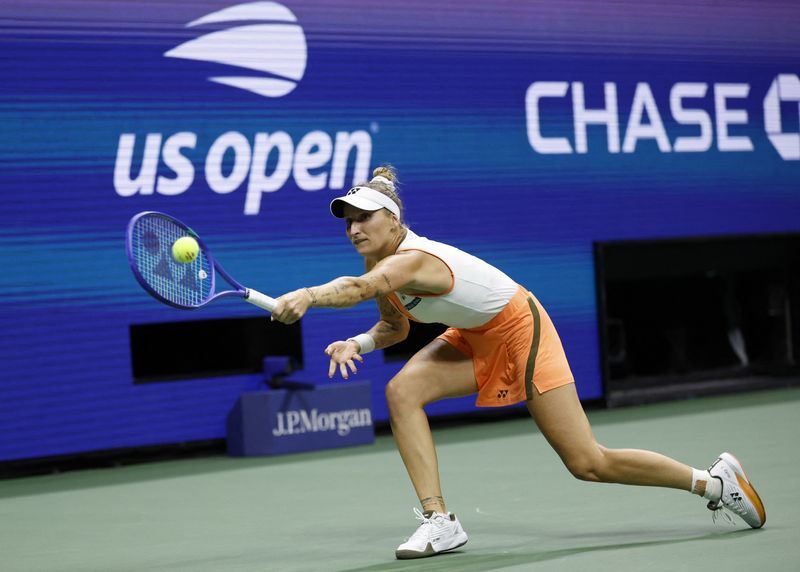
Marketa Vondrousova, the 2023 Wimbledon champion from the Czech Republic, has formally appealed against a four-year competitive ban to the Court of Arbitration for Sport, the highest judicial authority in athletics. The suspension, handed down in June by the International Tennis Integrity Agency, stems from her refusal to submit to a doping control test conducted at her residence in December. The world's top sporting tribunal confirmed receipt of her appeal this week, though no hearing date has been scheduled as proceedings continue.
The circumstances surrounding the failed test underscore the tension between anti-doping protocols and athlete welfare. A doping control officer arrived unannounced at Vondrousova's home at 8:15 p.m. in early December demanding an immediate sample collection. The 27-year-old subsequently declined to participate in the out-of-competition examination, leading to the suspension. She has steadfastly maintained her innocence throughout the ordeal, pointing out that a voluntary test conducted three days later came back negative, bolstering her position that she had nothing to hide.
Vondrousova's public statements reveal the psychological toll exacted by the protracted saga. In April, the athlete disclosed that she had "reached a breaking point after months of physical and mental stress," framing the officer's surprise nighttime visit as an intrusive violation of her privacy and personal autonomy. Her account raises broader questions about the boundaries of anti-doping surveillance and whether timing and methodology of testing procedures adequately balance enforcement objectives with human dignity considerations—a concern likely to resonate across international sport.
The appeal through the Court of Arbitration for Sport represents her formal challenge to the International Tennis Integrity Agency's decision and offers an opportunity to contest the proportionality and application of tennis's doping regulations. The CAS process typically involves extensive documentation and legal arguments, with the parties presenting evidence and testimony before arbitrators render a binding decision. The appellate body operates independently of tennis governing bodies and has established itself as the authoritative venue for resolving high-stakes disputes within professional sport globally.
If the ban stands as currently imposed, Vondrousova will be sidelined from competitive tennis until June 21, 2030, when she will be 30 years old. For a player in her prime during the early phase of a potentially career-defining decade, the consequence effectively represents a substantial portion of her professional window. The timeline underscores the severity of penalties within tennis's anti-doping framework and the stakes involved in defending against such charges.
The suspension has already devastated her competitive ranking and professional momentum. Vondrousova has not competed since withdrawing from the Adelaide International in January, citing a shoulder injury that preceded the doping controversy. Her world ranking has plummeted from number six to 153, reflecting the extended absence from match play and the uncertainty surrounding her status. The combination of physical injury and disciplinary suspension has created a cascade of competitive disadvantage difficult to reverse even if the ban is overturned.
Vondrousova's résumé highlights what a full career could achieve before the ban derailed her trajectory. She captured the prestigious Wimbledon crown in 2023, adding to credentials that included a French Open final appearance in 2019 and a silver medal at the Tokyo Olympics in 2021. These achievements established her among tennis's emerging elite and suggested a career arc that could produce multiple major titles. The suspension threatens to truncate that potential and reallocates opportunities to rivals.
The appeal adds another chapter to a dispute that has drawn scrutiny from the tennis community and anti-doping advocates alike. Some observers view Vondrousova's position sympathetically, questioning whether the testing methodology and timing were appropriate. Others argue that rigorous enforcement of testing protocols is essential to maintain the integrity of professional sport. The CAS hearing, whenever scheduled, will ultimately adjudicate these competing perspectives and establish precedent for future cases involving missed or refused testing allegations.
For tennis and other sports, the Vondrousova matter illustrates the complexities inherent in implementing global anti-doping standards. The out-of-competition testing framework aims to detect performance-enhancing substance use across athletes' entire lives, not merely during events. Yet the surprise component and privacy implications of such testing create friction with athlete rights and expectations. How arbitral and regulatory bodies balance deterrence against fairness will shape the landscape for athletes globally, including competitors from Southeast Asia participating in international tournaments.
The resolution of Vondrousova's appeal will reverberate through professional tennis, potentially affecting how tournaments and anti-doping agencies calibrate their enforcement strategies and how athletes respond to testing notices. A CAS decision upholding the ban would signal unwavering commitment to testing compliance, while any reduction or cancellation of the suspension could suggest that procedural fairness and athlete circumstances warrant discretionary consideration. Either outcome will influence the approach taken in future cases and the broader culture surrounding doping control within the sport.

