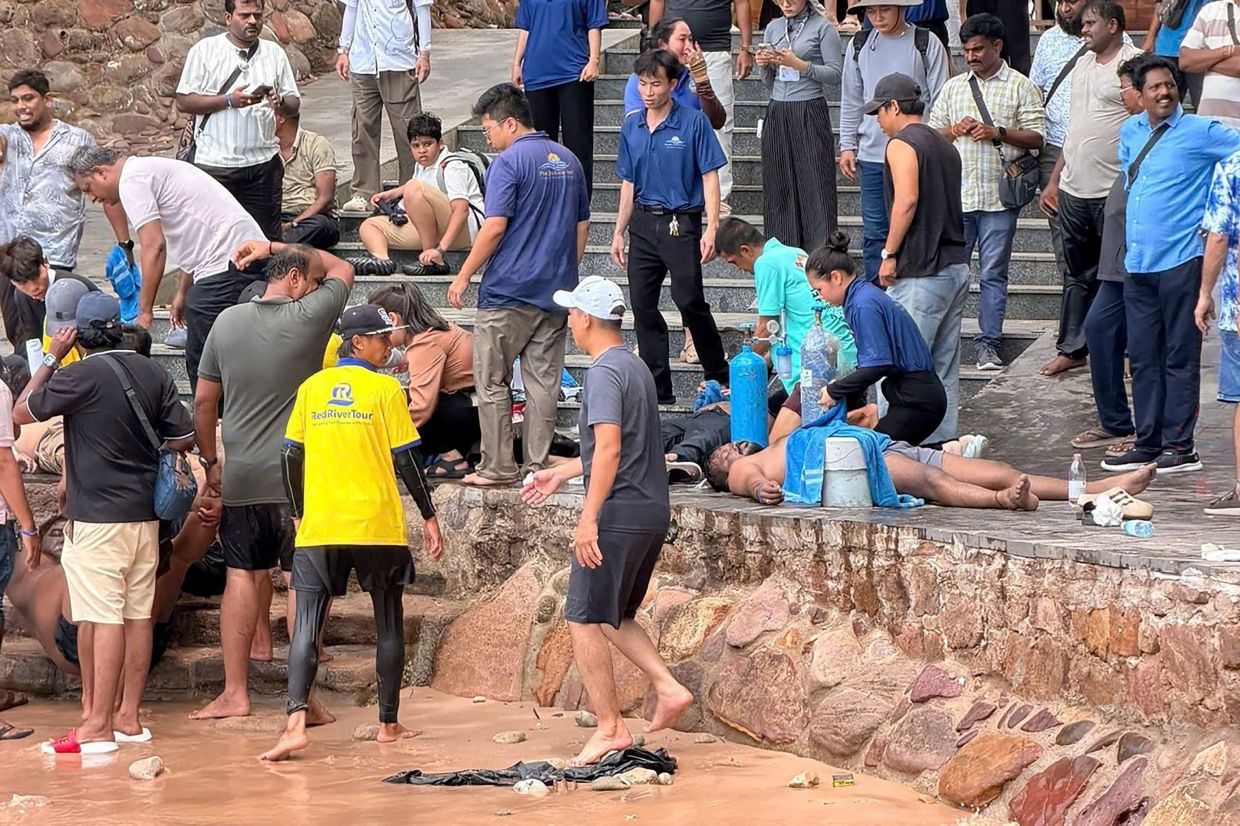
Vietnam has launched a comprehensive investigation into a maritime tragedy that claimed the lives of 15 Indian tourists when a speedboat capsized near Phu Quoc Island on July 11. The incident has triggered high-level government response, with the Prime Minister calling for immediate action across multiple agencies to address the disaster's aftermath and prevent similar accidents in the future.
The speedboat, which had been carrying 32 Indian tourists alongside four crew members and guides, overturned near Hon May Rut Ngoai within the Phu Quoc Special Zone. Among those on board, 15 tourists—13 men and two women—perished in the accident, while rescue operations managed to save 21 people. The incident represents one of the deadliest tourist-related accidents in the region in recent years and has raised serious questions about maritime safety standards in Vietnam's popular tourist destinations.
In his official directive issued on July 11, Vietnam's Prime Minister extended condolences to the bereaved families and instructed government agencies to coordinate emergency response efforts. The immediate priority focused on deploying all available medical resources and pharmaceuticals to treat the injured survivors and prevent further loss of life. This mobilization represented the government's acknowledgment of the incident's severity and the need for a rapid, coordinated response across multiple departments and local authorities.
The investigation responsibility was delegated to An Giang Province, which oversees the Phu Quoc Island region. Provincial authorities were tasked with leading relevant agencies and emergency forces in determining the precise cause of the capsizing and identifying any systemic failures or negligence that may have contributed to the accident. This assignment reflects the Vietnamese government's emphasis on thorough accountability and the importance of understanding what went wrong to prevent recurrence.
The Ministry of Public Security received explicit instructions to conduct an urgent and rigorous investigation while identifying any legal violations. The directive emphasized that strict action must be taken against any organizations or individuals found culpable, signaling that the government intends to pursue accountability rather than treat the incident as merely a tragic accident. This approach acknowledges that such maritime disasters often involve preventable human error or regulatory non-compliance.
Beyond the immediate investigation, the Ministry of Construction was assigned to conduct comprehensive safety audits of maritime and inland waterway traffic protocols in the Phu Quoc area and other regions with similar geographical and operational conditions. This broader review suggests government concern that safety standards across Vietnam's coastal tourist zones may require systematic overhaul. The ministry's involvement indicates recognition that infrastructure, regulatory frameworks, and operational procedures may all require evaluation and potential reform.
Diplomacy took center stage as the Ministry of Foreign Affairs was instructed to coordinate closely with India's Embassy in Hanoi on consular matters, victim protection, and related issues. This directive underscores the political sensitivity of the incident—any perceived mishandling could strain bilateral relations between two significant nations in the Indo-Pacific region. The Indian government's direct involvement through its embassy represents diplomatic pressure for transparency and thorough investigation.
The Indian Embassy promptly released the names of all 32 citizens who had been aboard the vessel, comprising 30 men and two women. Recognizing the need for coordinated assistance to affected families and survivors, the embassy established two dedicated contact points—one in Ho Chi Minh City and another in Hanoi—to provide consular support, relay information, and coordinate repatriation or medical arrangements. This rapid institutional response reflected India's concern for its nationals abroad and the gravity with which the incident was being treated.
For Southeast Asian readers, this incident carries broader implications regarding tourism safety standards across the region. Phu Quoc Island has become an increasingly popular destination for tourists from India, China, and other countries seeking affordable beach holidays. The tragedy highlights potential gaps in safety regulation enforcement, vessel maintenance standards, and crew training that may extend beyond Vietnam to other coastal destinations across Southeast Asia where tourism infrastructure has expanded rapidly without necessarily keeping pace with safety oversight.
The speedboat accident also illuminates the challenges facing developing tourism economies in the region. As countries prioritize growth and revenue generation from international tourism, regulatory agencies sometimes struggle to maintain rigorous safety enforcement alongside rapid industry expansion. Vietnam's response, emphasizing investigation and systemic review, suggests acknowledgment of this tension and a commitment to rebalancing growth with passenger safety.
The incident occurs amid ongoing efforts by Southeast Asian nations to improve maritime safety standards and establish consistent regional protocols. Vietnam's comprehensive government response—involving multiple ministries and provincial coordination—demonstrates how such tragedies can catalyze broader safety reforms. The visible involvement of senior political leadership sends a signal both domestically and internationally that maritime safety violations will be taken seriously, potentially influencing industry practices across the region.

