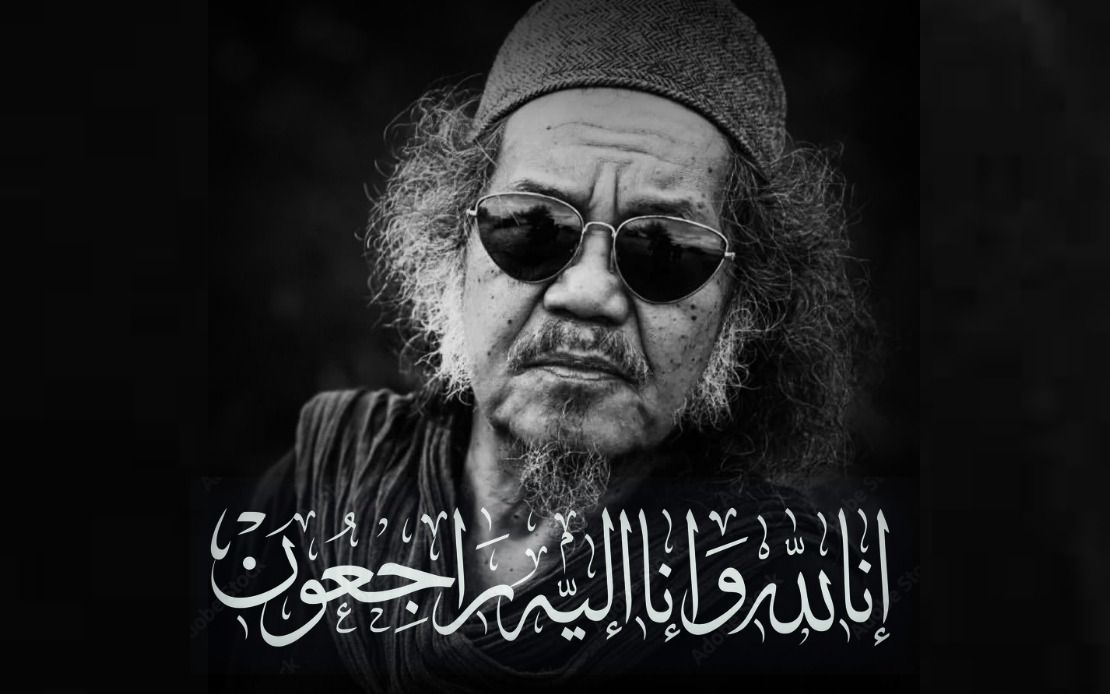
The Malaysian entertainment industry mourned the loss of veteran actor Kamarool Yusoff on August 5, with the veteran performer passing away at Tanah Merah Hospital in Kota Bharu at 5.30 pm. The 68-year-old, affectionately remembered as Cik Man by generations of Malaysian film enthusiasts, succumbed to a heart ailment while undergoing treatment. His death marked the end of an era for Malaysian cinema, as Kamarool had carved out a distinctive niche in the country's film and entertainment landscape through his memorable performances spanning several decades.
News of his passing rippled through the entertainment fraternity when comedian Mohammad Amirullah Azmi, popularly known as Amir Raja Lawak, announced the death on Facebook with a touching tribute to his departed colleague. Amir Raja Lawak's public announcement underscored the affection and respect Kamarool had garnered across the entertainment industry, transcending generational boundaries and various entertainment mediums. The comedian's tribute, which invoked Islamic prayers for the deceased, resonated with many who had grown up watching Kamarool's performances and recognised his significant contributions to Malaysian popular culture.
Kamarool's son Ahmad Fakhrol Aliff, aged 23, confirmed the news to media personnel when contacted, providing further details about his father's final moments and the arrangements being made. The younger Ahmad described how his father had been receiving medical treatment for the heart condition that ultimately proved fatal. While funeral arrangements were being finalised, Ahmad indicated that the service would take place the following morning, though the specific location had not yet been finalised due to the unexpected nature of his father's passing.
The actor's career was defined by his portrayal of memorable characters that captured the imagination of Malaysian audiences, with his role as a villainous leader in the cult classic Gila-gila Remaja becoming particularly iconic. This film held special significance in Malaysian cinema history, representing a pivotal moment in the nation's youth-oriented film production during its era. His characterisation in that production demonstrated his range as a performer and his ability to embody complex, antagonistic figures with nuance and conviction that elevated the material beyond typical genre conventions.
Kamarool's real name was Kamarozaman Yusoff, and throughout his career he was known by several appellations including Farok, which reflected his diverse roles and the different characters audiences encountered across his filmography. This multiplicity of names and identities mirrored the versatility he brought to his craft, suggesting an actor willing to completely inhabit whatever characters were assigned to him. His willingness to take on challenging roles, particularly villainous or morally ambiguous characters, set him apart during an era when Malaysian cinema was still developing its dramatic vocabulary and exploring more complex narrative territories.
The timing of Kamarool's death in Kota Bharu, the capital of Kelantan state, connected him once more to the Malaysian heartland where much of the nation's cultural production had historically been rooted. His presence in Tanah Merah Hospital during his final illness represented a personal journey back through the geographical and cultural landscape that had nurtured Malaysian entertainment. The region's significance to the broader narrative of Malaysian cinema and theatre could not be overstated, as it had produced numerous performers and creative personalities who gained prominence in the national and regional entertainment scene.
For Malaysian audiences who came of age during the 1980s and 1990s, Kamarool's image remained indelible in popular memory, particularly for those who had experienced Gila-gila Remaja during its theatrical release or subsequent television broadcasts. The film had achieved cult status among certain demographics, maintaining relevance across decades through word-of-mouth recommendations and repeated viewing by nostalgic audiences. Kamarool's contribution to that film's enduring legacy could not be separated from the broader cultural phenomenon it represented, as audiences continued to reference the movie and its memorable characters well into the contemporary era.
The Malaysian entertainment industry at the time of his passing comprised a diverse ecosystem of performers, many of whom had begun their careers during the same period as Kamarool or had been influenced by performers of his generation. The loss of such veteran figures represented not merely the death of an individual but the gradual attrition of a cohort that had shaped Malaysian popular entertainment during its formative decades. Younger performers who might have worked alongside Kamarool or been inspired by his craft found themselves reflecting on their own artistic lineage and the generational transmission of performance traditions.
Kamarool's passing occurred within a broader context of Malaysian society's ongoing engagement with cultural preservation and the documentation of entertainment heritage. The death of entertainers of his stature often prompted discussions about archiving film materials, preserving performance records, and ensuring that the contributions of earlier generations remained accessible to contemporary and future audiences. Questions about how Malaysian cinema history would be remembered and transmitted became particularly salient when figures like Kamarool, who had been instrumental in shaping that history, departed from the living.
The funeral arrangements scheduled for the morning following his death would provide an opportunity for the entertainment community, family members, and admirers to pay their respects and reflect on Kamarool's body of work. Such occasions frequently served as informal gatherings where stories were shared, memories were exchanged, and the deceased's impact on individuals and the broader cultural landscape were collectively acknowledged. These ceremonies held particular significance within Malaysian society, where family and community bonds remained central to how individuals and their legacies were remembered and honoured.
As news of his death circulated through social media platforms and entertainment networks, tributes and reminiscences began emerging from colleagues, collaborators, and fans who had been touched by Kamarool's performances throughout his career. The digital age had transformed how such commemorations occurred, enabling rapid dissemination of information while simultaneously creating spaces for collective mourning and celebration of the deceased's contributions. For many Malaysians, Kamarool's passing represented the loss of a tangible link to earlier periods of Malaysian popular culture, a connection to a cinematic past that increasingly seemed temporally distant despite remaining emotionally resonant.

