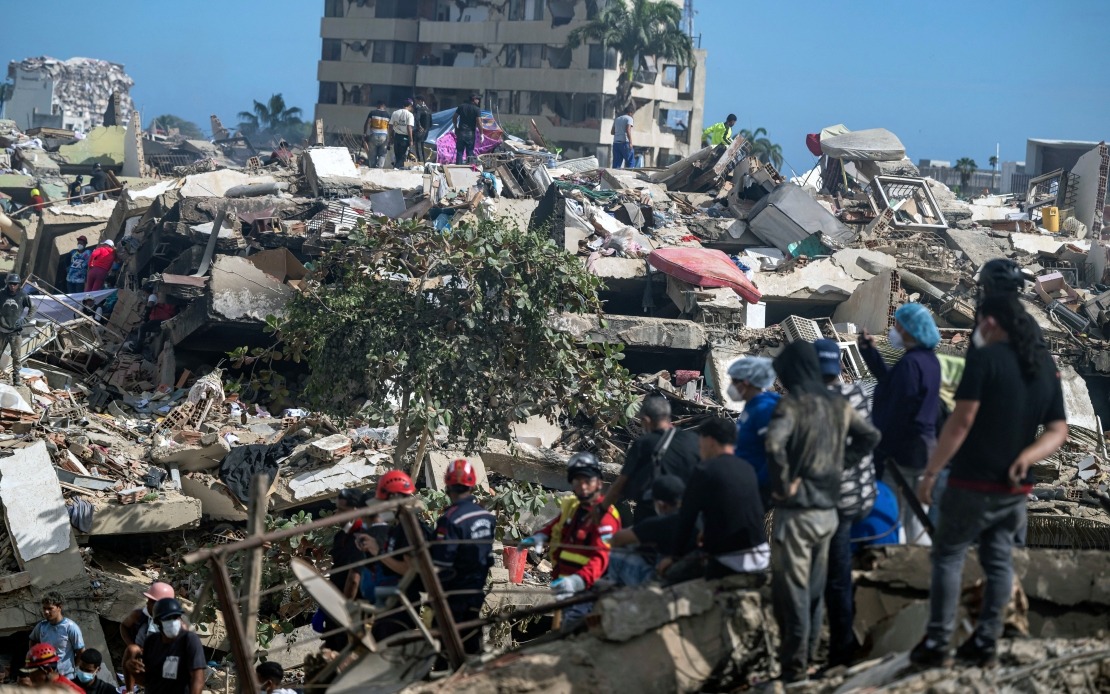
The humanitarian crisis in northern Venezuela deepened this week as official figures revealed the devastating scope of the twin earthquakes that struck on June 24. National Assembly President Jorge Rodriguez confirmed in a televised national briefing that the death toll has climbed to 2,295, with the disaster now numbering among the deadliest seismic events in the region's recent history. The magnitude of human suffering extends beyond fatalities, with documented injuries reaching 11,267 and more than 12,800 people displaced from their homes as structural damage renders entire neighbourhoods uninhabitable.
Satellite imagery analysed by NASA indicates that the scale of physical destruction is almost incomprehensible, with preliminary assessments suggesting over 58,000 buildings have sustained either severe damage or complete destruction across the affected territories. This figure underscores not merely a temporary displacement crisis but a long-term reconstruction challenge that will require years of sustained effort and international cooperation. The loss of housing stock compounds the immediate health and security concerns faced by survivors, many of whom remain in makeshift shelters with limited access to fresh water, sanitation facilities, and medical supplies.
The twin seismic events, measuring 7.2 and 7.5 magnitude respectively, triggered an extraordinary cascade of aftershocks that continued to rattle the region for days following the initial impact. Electoral and municipal authorities documented 782 recorded aftershocks, though seismologists have noted a reassuring trend over the past two days, with both the frequency and intensity of tremors showing measurable decline. Nevertheless, Rodriguez urged the population to maintain heightened vigilance, particularly around buildings with compromised structural integrity where concrete masonry poses continued risk of collapse.
Emergency response efforts have mobilised an unprecedented international mobilisation of search and rescue personnel. More than 4,000 emergency workers deployed throughout the disaster zones have extracted 6,461 people from collapsed buildings and other trapped conditions. The involvement of rescue teams from over 30 countries reflects the gravity of the situation and demonstrates how such natural disasters transcend national boundaries, prompting global humanitarian response. The coordinated effort represents one of the largest multinational rescue operations in recent memory, with specialists bringing advanced detection equipment and structural engineering expertise to facilitate survivor recovery.
The United Nations has begun securing critical supplies to manage the expected fatalities, with acquisition of 10,000 body bags underway. This logistical preparation, though grim in nature, reflects the institutional recognition that many more victims may yet be discovered beneath the rubble in coming days and weeks. Decomposition in tropical conditions requires rapid processing and dignified handling of remains, making adequate supply chains essential to preserving human dignity during the recovery phase.
For Malaysian observers and Southeast Asian stakeholders, this catastrophe carries sobering implications about seismic vulnerability across the Pacific Ring of Fire and similar geological zones. The region faces comparable risks, particularly nations with significant populations in areas prone to tectonic activity. The Venezuelan experience offers crucial lessons regarding building code enforcement, early warning systems, and the critical importance of investing in earthquake-resilient infrastructure before disaster strikes rather than attempting reconstruction after widespread devastation.
The economic ramifications extending from this disaster will reverberate through Venezuela's already fragile economy for years to come. Beyond the immediate humanitarian costs, the destruction of residential and commercial infrastructure removes productive assets from the economy, complicates government revenue collection, and diverts limited financial resources toward emergency response and reconstruction rather than development priorities. International donors and neighbouring states will face pressure to provide substantial aid, yet Venezuela's complex geopolitical circumstances may complicate the flow of assistance compared to other disaster-affected nations.
Rescue operations continue with undiminished intensity as teams work against time to locate survivors who may remain trapped but viable in collapsed structures. The psychological toll on rescue workers, witnessing extensive loss of life and traumatised survivors, requires attention through adequate mental health support and rotation policies. The success of previous large-scale rescue operations has demonstrated that survivors can be recovered days or even weeks after initial collapse if rescue efforts remain systematic and adequately resourced.
The disaster underscores broader conversations about urbanisation patterns in earthquake-prone regions and the necessity of enforcing construction standards that prioritise public safety. Many developing nations struggle to implement and monitor building codes consistently, creating vulnerability during seismic events when substandard construction proves catastrophic. Venezuela's experience, combined with historical precedent from other nations, indicates that geological hazard mitigation must become a central consideration in urban planning and development policy throughout the region.

