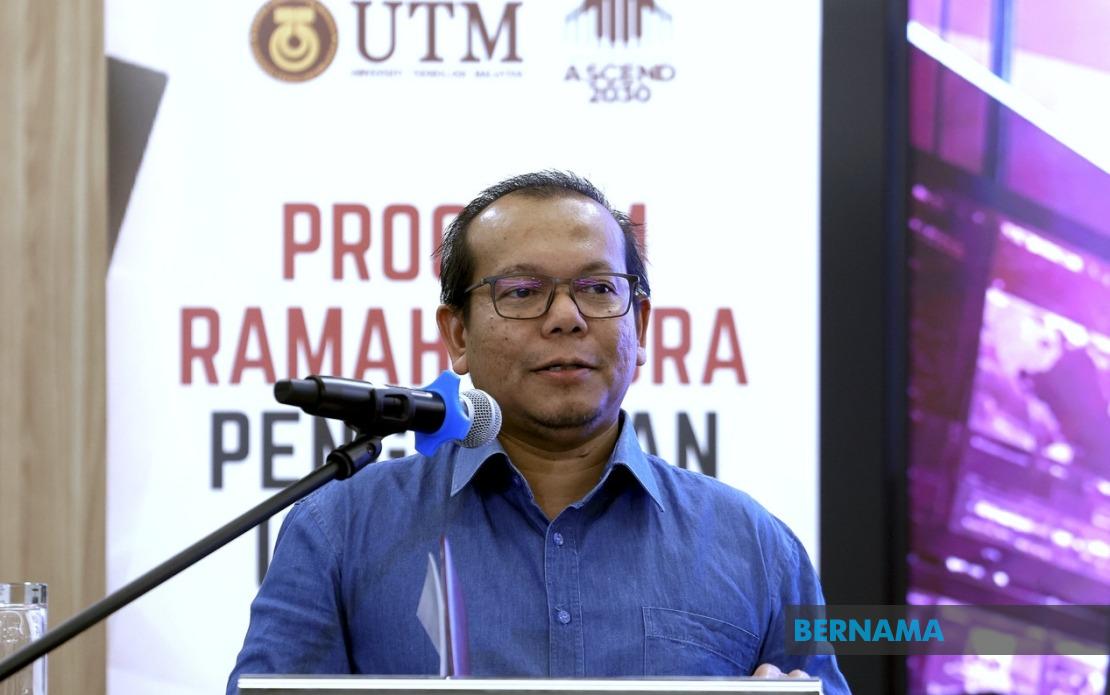
Universiti Teknologi Malaysia is moving decisively to deepen its engagement with media organizations, recognizing that strategic communication partnerships are vital for protecting institutional credibility and ensuring public understanding of academic contributions to society. Vice-Chancellor Prof Dr Mohd Shafry Mohd Rahim outlined this vision at the University Management's Media Networking Session, emphasizing that universities now operate in an increasingly challenging information landscape where false narratives can undermine decades of institutional trust within weeks.
The initiative reflects a broader concern within Malaysia's higher education sector regarding the fragility of institutional reputation in the digital age. When universities face unsubstantiated allegations or distorted criticism, the damage extends beyond media coverage—it erodes confidence among students, funding bodies, and international partners. Mohd Shafry highlighted this vulnerability by noting that while building a prestigious university requires sustained effort over many decades, a single wave of inaccurate reporting can quickly tarnish an institution's image. This asymmetry underscores why proactive media engagement has become essential rather than optional for university leadership.
The collaboration brings together significant players in Malaysia's information ecosystem. Present at the session were Malaysian National News Agency (Bernama) Chief Executive Officer Datin Paduka Nur-ul Afida Kamaludin and Acting Deputy Editor-in-Chief (Economic News Service) Harlina Samson. Bernama's participation is particularly significant, as the national news agency serves as a critical conduit for disseminating government-sanctioned information and operates extensive networks across traditional and digital media platforms. This partnership positions UTM to leverage established news distribution channels for communicating university research and institutional positions.
Beyond simply amplifying university messaging, UTM proposes a more substantive commitment: equipping media practitioners with technical literacy and expanded access to academic expertise. The university intends to organize training programmes focusing on artificial intelligence and emerging technologies, recognizing that journalists increasingly encounter complex technical subjects that require proper contextual understanding. By providing these educational opportunities, UTM seeks to raise reporting standards across the media industry while building relationships with individual journalists and editors who will cover the university's work and sector more accurately in future.
The university's plan to develop formal mechanisms for disseminating research findings through media channels addresses a persistent gap in Malaysia's research communication infrastructure. Many academic discoveries remain confined to specialized journals and university press releases, never reaching broader public audiences or influencing policy discussions. By institutionalizing pathways between university research outputs and media outlets, UTM aims to ensure that significant findings reach policymakers, business leaders, and the general public who might benefit from or build upon this knowledge.
Expanded access to UTM's professors and subject-matter experts represents another practical dimension of this collaboration. Media organizations frequently face time pressures and resource constraints that limit their ability to source authoritative voices for complex stories. By positioning university faculty as readily available reference sources, UTM creates convenient channels for journalists seeking expert commentary. This arrangement benefits all parties: journalists access credible expertise, universities gain visibility for their scholars, and public understanding of complex issues deepens through more nuanced reporting.
This initiative carries implications extending beyond UTM to Malaysia's entire higher education ecosystem. If successful, the partnership model could provide a template that other universities adopt, creating a denser network of university-media connections throughout the country. Such ecosystem-wide strengthening could enhance public confidence in Malaysian higher education generally and improve the quality of coverage that shapes public understanding of university contributions to innovation, economic development, and social progress.
The timing of this initiative reflects international trends in higher education communications. Universities across Asia-Pacific have increasingly invested in media relations as part of broader reputational management strategies. In Malaysia's context, where higher education institutions compete for international rankings and student enrollment while contributing to national research and development goals, strategic communication becomes intertwined with institutional viability. Effective media partnerships help universities articulate their value propositions to diverse stakeholders including potential students, research collaborators, and government agencies allocating funding.
Mohd Shafry's emphasis on conveying fact-based explanations promptly signals recognition that speed matters in information competition. False narratives spread rapidly through social media and messaging platforms, and university responses that come too slowly may fail to reach audiences effectively. By cultivating relationships with established news organizations that reach millions of Malaysians daily, UTM positions itself to respond swiftly when misinformation emerges or when important research warranting public attention is completed.
The collaboration also reflects evolving expectations about institutional transparency and accountability. Modern universities operate increasingly as public institutions accountable not only to students and faculty but to broader constituencies including taxpayers who fund research, communities affected by university activities, and society generally expecting higher education to address pressing challenges. Media partnerships facilitate this accountability by creating channels through which universities explain their decisions, report their progress, and demonstrate relevance to public concerns.
Looking forward, Mohd Shafry expressed hope that sustained collaboration would simultaneously strengthen Malaysia's higher education sector and elevate UTM's position on the global stage. This dual aspiration reflects recognition that institutional reputation and national competitiveness in higher education are interconnected. Universities that communicate effectively about their research and contributions enhance not only their own standing but also the attractiveness of their country's education sector to international students and research partners seeking reliable information about institutional quality and capability.

