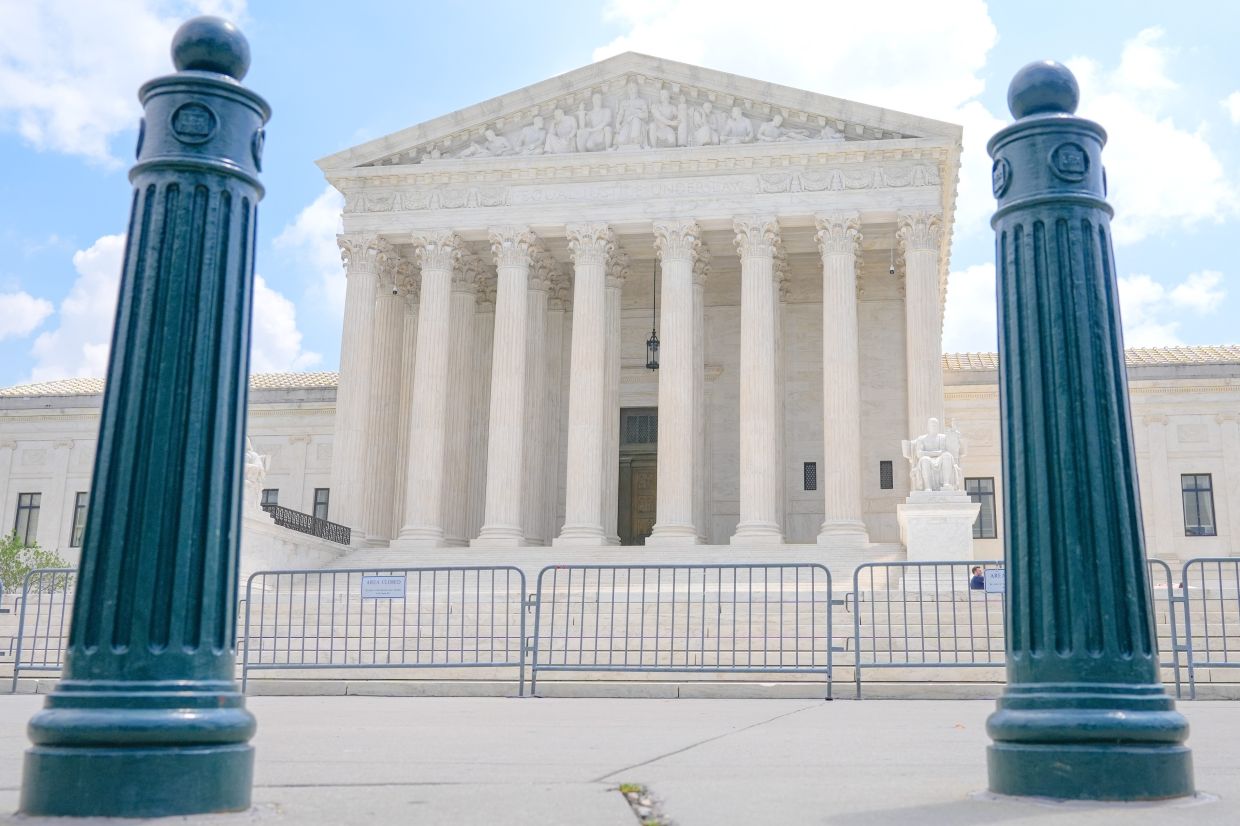
The United States Supreme Court has effectively cleared the path for Texas to enforce its controversial app store age verification law, dealing a significant blow to digital rights advocates and technology industry groups who contend the measure violates fundamental constitutional protections. Justice Samuel Alito issued brief one-sentence orders rejecting emergency petitions filed by organisations challenging the Texas App Store Accountability Act, without providing detailed reasoning for the court's decision to decline involvement in the case.
The ruling represents a pivotal moment in the ongoing tension between child protection initiatives and free speech considerations in the digital realm. By refusing to block the law at this stage, the Supreme Court has allowed a lower court's suspension of a previous injunction to stand. Just six months earlier, in June, a three-judge panel from the 5th US Circuit Court of Appeals had already determined that the law could move forward, overturning a district court's December decision that found the statute unconstitutional on First Amendment grounds.
The plaintiffs mounting legal challenges against the law represent a broad coalition of interests, including the Computer & Communications Industry Association, which represents major technology companies, and Students Engaged in Advancing Texas, a civil liberties organisation. Texas Attorney General Ken Paxton has defended the legislation in both cases, positioning himself as the principal defendant in these constitutional disputes. The competing legal arguments reflect a fundamental disagreement about how to balance child safety with constitutional protections in an increasingly digital society.
Opponents of the Texas legislation argue that the age verification requirement impermissibly restricts access to content that deserves First Amendment protection, including legitimate news sources and educational materials. The attorneys representing Students Engaged in Advancing Texas framed the issue as one of parental authority, contending that the law inappropriately substitutes government mandates for parental discretion. In their court filings, they emphasised that protecting First Amendment rights and parents' ability to make independent decisions about their children's digital access without government interference serves the genuine public interest.
For Malaysian and Southeast Asian observers, this development carries particular significance given the region's ongoing policy discussions about regulating technology platforms and protecting minors online. The Texas approach represents one model for legislative intervention in app distribution, a strategy that several countries in the region have contemplated or begun implementing. The constitutional question of how far governments can go in mandating verification mechanisms without triggering free speech objections will likely influence future regulatory frameworks across multiple jurisdictions.
The Texas Attorney General's office has mounted a vigorous defence of the legislation, emphasising the practical dangers that children face when accessing app stores without parental oversight. Their legal arguments contend that the law protects children from what they characterise as dangerous contemporary software products. The state's position highlights genuine concerns about data privacy and protection: young users with unchecked access to app marketplaces may inadvertently download applications that collect personal information, facilitate unauthorised data sales, or expose them to inappropriate content without parental awareness or consent.
The Supreme Court's refusal to intervene at this juncture does not constitute a final judgment on the law's constitutionality. Rather, the court's inaction allows the legislative challenge process to continue through the lower courts. However, the justices' decision to decline emergency relief sends a clear signal that they do not view the free speech arguments as sufficiently compelling to warrant immediate Supreme Court intervention. This posture suggests that the court may be receptive to arguments that child protection measures can coexist with constitutional protections, at least in certain regulatory contexts.
The practical implications of the Texas law's enforcement will likely become apparent in coming months. App developers and platform operators will face new compliance obligations, requiring them to implement age verification systems for users downloading applications in Texas. This compliance burden has prompted industry concern about the feasibility and effectiveness of such verification mechanisms, particularly given the technical challenges and privacy implications of age-checking systems.
The tension illustrated by this case reflects broader international conversations about technology regulation. The European Union, for instance, has pursued different approaches through its Digital Services Act and other legislative frameworks. Southeast Asian nations have watched these developments closely as they formulate their own policies. The Texas precedent, now moving forward without Supreme Court intervention, suggests that American states possess significant latitude to impose age-verification requirements on digital platforms, a prospect that may encourage similar measures elsewhere.
Looking ahead, the litigation will likely continue through the appellate process, potentially returning to the Supreme Court once the lower courts have fully adjudicated the constitutional questions. However, the court's current posture—allowing the law to take effect while judicial proceedings continue—indicates that child protection objectives may receive meaningful deference in regulatory contexts, even when they implicate free speech considerations. This development marks an important inflection point in how courts balance digital rights against governmental interests in child safety.

