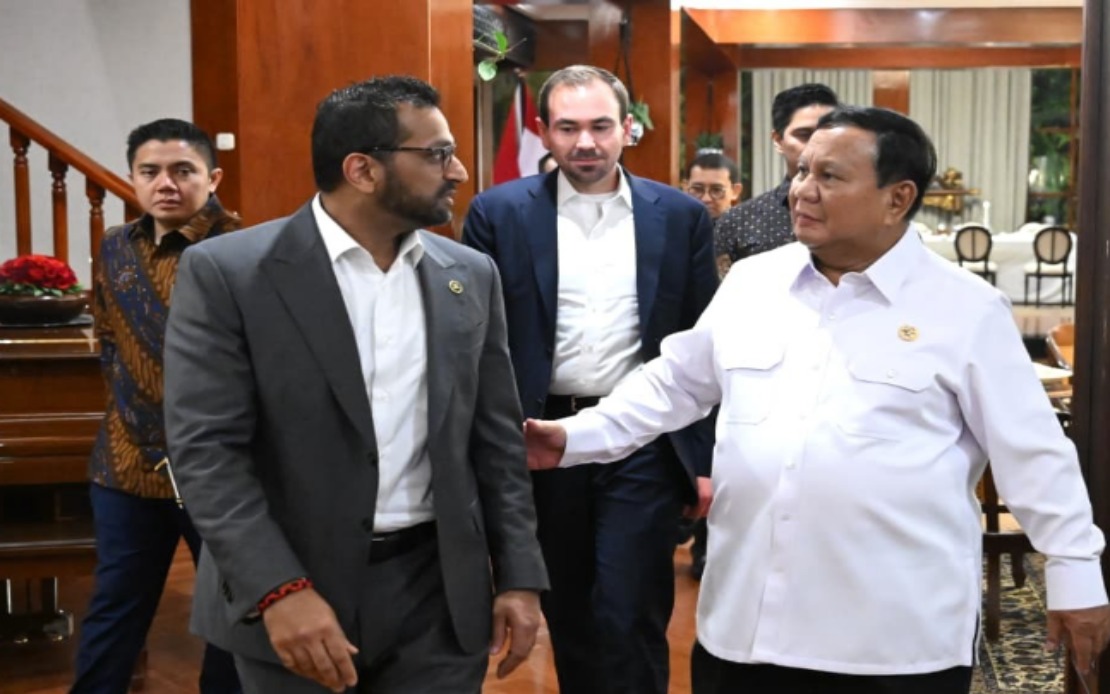
The Indonesian government has received a significant shipment of cultural artefacts from the United States Federal Bureau of Investigation, marking another milestone in bilateral efforts to recover and restore the nation's smuggled heritage. Culture Minister Fadli Zon confirmed that FBI Director Kash Patel personally delivered the recovered objects to President Prabowo Subianto during an official courtesy call in Jakarta on Wednesday, underscoring the diplomatic importance both nations attach to the repatriation process.
The returned items originate from Indonesia's eastern provinces, particularly Papua, and represent the artistic and spiritual legacy of several indigenous communities including the Dani and Asmat peoples, as well as cultural groups inhabiting the Lake Sentani region. These artefacts carry substantial historical significance, embodying centuries of craftsmanship, spiritual practices, and communal identity that experts have determined were forcibly removed from their original contexts and illegally transported across international borders into the United States market.
According to Fadli, the repatriation process involved rigorous provenance research conducted jointly by Indonesian and American authorities to establish the illicit nature of the artefacts' departure from Indonesia. This investigative work, which forms the backbone of modern cultural restitution efforts, requires forensic analysis, historical documentation review, and testimony from cultural specialists to prove that objects were either stolen, illegally excavated, or smuggled without proper governmental authorisation. The successful completion of such investigations demonstrates the technical sophistication both governments have developed in combating the illegal antiquities trade.
The minister framed this recovery as a restoration of Indonesia's cultural sovereignty, emphasising that the nation is progressively reclaiming ownership of items that form the bedrock of national identity and heritage narrative. For Southeast Asian nations like Indonesia, whose colonial history saw extensive looting of cultural treasures by external powers and smuggling networks, repatriation represents both a practical and symbolic reassertion of control over resources that define collective memory and historical continuity.
Fadli expressed optimism that the FBI collaboration would intensify in coming years, with coordination involving Indonesia's State Secretariat and Ministry of Foreign Affairs ensuring that repatriation becomes embedded within broader diplomatic and cultural policy frameworks. This institutional integration signals that Jakarta views the recovery of artefacts not as isolated incidents but as a systematic priority deserving sustained governmental attention and resource allocation. The involvement of senior officials across multiple ministries indicates the political weight now assigned to cultural restitution within Indonesia's foreign affairs agenda.
The FBI's previous contributions to Indonesia's repatriation efforts have encompassed the recovery of bronze statues and artefacts from significant cultural and archaeological sites, demonstrating a growing pattern of cooperation. These earlier successes have established working relationships, protocols, and mutual understanding between Indonesian institutions and American law enforcement that facilitate more efficient identification and recovery of smuggled items. Each successful case creates precedent and institutional knowledge that streamlines future operations.
The decision to place recovered artefacts on public display at Indonesia's National Museum reflects a deliberate curatorial strategy to transform repatriation from an administrative process into a meaningful cultural experience for Indonesian citizens and international visitors. Museum exhibitions serve multiple functions: they educate domestic audiences about heritage they may not have encountered otherwise, they validate indigenous communities' historical narratives and artistic contributions, and they create visible evidence of state commitment to cultural preservation and sovereignty. For many Indonesians, particularly younger generations, such displays offer direct connection to ancestral legacies that colonialism and smuggling networks had obscured.
The broader significance of this repatriation lies within Southeast Asia's regional context, where multiple nations face similar challenges recovering smuggled cultural property. Indonesia's experience establishing effective bilateral channels with Western law enforcement agencies and developing robust provenance research methodologies provides a template other regional governments might adopt. Malaysia, Thailand, Vietnam, and the Philippines all contend with illegal antiquities trafficking, and Indonesia's visible success in securing American cooperation may embolden other Southeast Asian states to pursue similar agreements.
The illegal antiquities trade remains a substantial global enterprise, with Southeast Asian artefacts commanding premium prices among international collectors untroubled by questions of legality or ethics. Organised smuggling networks exploit porous borders, weak enforcement capacity, and high profit margins to move items from archaeological sites and community holdings into auction houses and private collections across North America, Europe, and East Asia. FBI involvement signals that American law enforcement has upgraded cultural property crimes from peripheral concern to priority enforcement area, recognising that organised smuggling networks often intersect with broader criminal enterprises including money laundering and corruption.
For Indonesia specifically, the repatriation process validates government legitimacy as custodian of national heritage and reinforces official narratives about territorial integrity and cultural continuity. When foreign governments cooperate in returning artefacts, they implicitly recognise Indonesian sovereignty over cultural production and its right to define which objects belong within national boundaries. This symbolic dimension proves as consequential as the material recovery itself, particularly for nations like Indonesia working to consolidate national identity across diverse archipelago populations with distinct regional histories and cultural traditions.
The deepening collaboration between Jakarta and Washington on cultural restitution also reflects evolving international norms regarding cultural property rights. Whereas previous generations accepted that artefacts naturally migrated toward Western museums and collections, contemporary discourse increasingly privileges source nations' repatriation claims. UNESCO conventions, academic scholarship, and public opinion have shifted toward viewing repatriation not as loss but as justice and appropriate historical rectification. Indonesia's government has positioned itself within this progressive movement, demonstrating that cultural repatriation constitutes legitimate governmental function worthy of ministerial coordination and diplomatic effort.
Moving forward, Indonesia's challenge involves sustaining momentum while addressing the vast universe of smuggled items that remain unrecovered. Thousands of Indonesian artefacts circulate through international markets without proper documentation, their origins obscured or deliberately concealed. Building institutional capacity within Indonesia to conduct provenance research, manage repatriated collections, and preserve items for future generations will prove essential. The FBI partnership provides immediate recovery mechanisms, but long-term cultural restoration depends upon Indonesia developing autonomous expertise and resources to independently pursue repatriation claims and secure its heritage against future smuggling.

