The United States is engineering a significant narrowing of the G20's policy agenda ahead of the summit scheduled for December 14-15 at Trump National Doral in Miami, with multiple delegation members reporting that Washington has systematically pressed to strip substantive commitments from the bloc's joint declaration. The effort emerged during the second round of negotiations among the group's top negotiators, known as sherpas, who convened in Washington this week to draft language for leaders to adopt at year's end. The move reflects deeper tensions within the world's largest economies forum over whose priorities should guide global governance.
Delegation representatives described an American strategy that began in December during the group's initial drafting sessions and has intensified since. The United States has sought to remove references to poverty reduction, energy transition, and gender equality—all longstanding G20 commitments—while concentrating the declaration's focus on immigration, transnational crime, terrorism, foreign investment, and what American officials characterize as fair trade practices. This recalibration would effectively reorient the forum away from development concerns affecting emerging and developing economies and toward security and economic issues where the United States holds particular sway. Both sources who detailed this approach requested anonymity because the sherpa negotiations remain confidential.
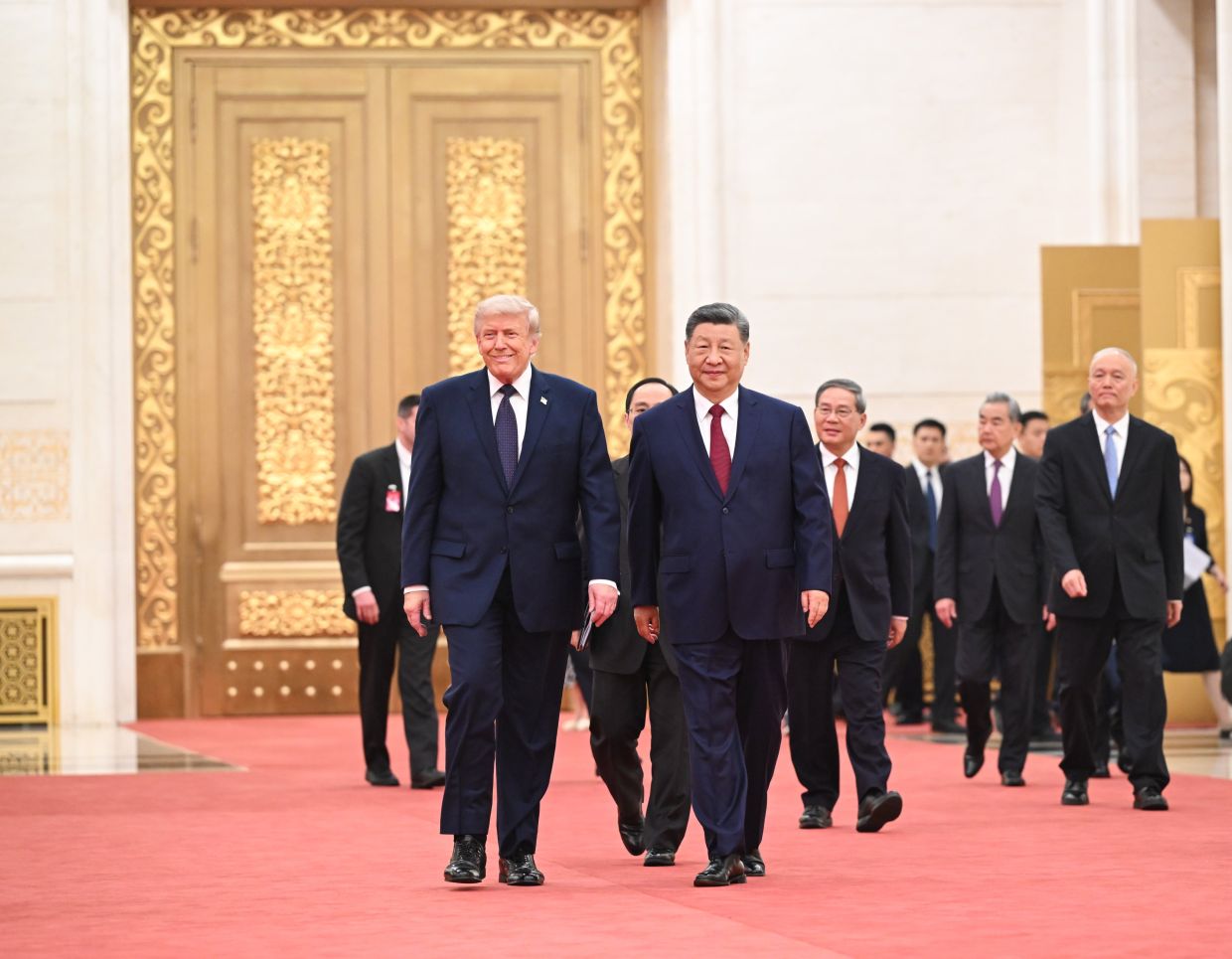
One negotiator characterised the American effort as rooted in language designed to prioritize US interests over those of smaller and developing nations, while another remarked that the Americans appeared to view the December gathering primarily as visual accompaniment for bilateral talks between Presidents Trump and Xi. The assessment underscores how summit logistics and bilateral diplomacy can overshadow multilateral negotiations. Neither the White House nor the State Department responded to requests for comment on these accounts, leaving the American position subject to interpretation through the reports of other participating delegations.
Russia has publicly echoed these concerns, with Marat Berdyev, its ambassador-at-large, voicing grievances about the direction of negotiations. Despite such reservations, Russian negotiators under sherpa Denis Agafonov, head of the presidential experts' directorate, engaged actively in this week's talks. Berdyev told Russia's state news agency Tass that discussions would emphasize preparations for Miami while maintaining focus on tracks covering trade, energy, and finance—indicating that Moscow views these domains as non-negotiable elements of the G20 agenda, even if other priorities face pressure.
China's response to the American pressure campaign presents a puzzle to observers tracking the negotiations. Delegation members noted their surprise that Beijing, for which energy transition forms a cornerstone of national policy, has not objected to the removal of such language from the joint declaration. The Chinese embassy in Washington declined to elaborate on this restraint or confirm which officials are representing China at the sherpa meetings. In a written statement, Beijing emphasized its record on climate action, citing what it called the world's most comprehensive policy framework for reducing carbon emissions and the largest renewable energy infrastructure globally. This framing sits uneasily with China's apparent silence during negotiations where those very achievements might justify sustaining energy transition language in the G20 text.
Analysts have previously noted that even when China has committed to climate targets, the specifics sometimes fall short of what climate science demands. Earlier pledges reached by the country drew criticism for failing to achieve the approximately 30 percent emissions reduction needed to align with the Paris Agreement's goal of limiting warming to 2 degrees Celsius, while also avoiding declaration of a peak year for emissions. China's diplomatic circumspection on this issue during the current G20 negotiations suggests Beijing may be prioritizing bilateral relations or other considerations over its publicly stated climate commitments within multilateral forums.
The Miami summit takes place against a backdrop of G20 fracture. Russia's exclusion from the group's proceedings represents the first removal of a full member in the forum's history, a development that has drawn formal objections from multiple governments. South Africa's presidency of the African Union prompted particular friction over this decision. The tensions extending beyond this single exclusion surfaced earlier in 2025 when the first G20 finance ministers' meeting under US leadership concluded in April without issuing a joint statement or holding the customary concluding press conference—an unusual breakdown in G20 protocol that signaled deeper disagreements among members.
For Southeast Asian readers and observers, these developments carry particular weight. The region's development-focused economies have long relied on G20 momentum to advance global commitments on poverty reduction and sustainable development. Vietnam, Indonesia, and other nations with significant populations still managing poverty and climate vulnerability have benefited from G20 language supporting development finance and technology transfer. A slimmed-down agenda that downplays these concerns could diminish the diplomatic leverage smaller countries can exert within the forum. Additionally, if the Miami summit becomes primarily a venue for US-China bilateral engagement rather than substantive multilateral problem-solving, the utility of the G20 as a mechanism for addressing shared challenges affecting the broader Indo-Pacific region diminishes.
The structural question underlying these negotiations concerns the G20's purpose and identity. Conceived as a forum bringing together the world's largest economies to address issues affecting global stability and prosperity, the group has historically balanced the interests of developed nations with those of emerging economies. An agenda emphasizing terrorism, transnational crime, and investment while de-emphasizing poverty and climate transition would shift the forum decisively toward security and market-access priorities. For countries still developing their economies, this represents a narrowing of the consensus on global responsibility for addressing inequality and environmental sustainability.
China's muted response to the American pressure may reflect calculation about bilateral priorities or acknowledgment that, regardless of G20 language, China will pursue its energy transition agenda independently. This pragmatism, however, does not address the broader erosion of multilateral consensus. When major powers decline to defend commitments they publicly champion, the credibility of global forums deteriorates. The December summit in Miami, whatever its bilateral highlights, will ultimately demonstrate whether the G20 retains capacity to function as a genuinely collaborative mechanism or whether it has become theater for great power performances.
The weeks ahead will reveal whether other delegation members mount sustained objections to the American reshaping or whether the group acquiesces. India's stance in particular will carry weight, as the country holds significant influence among developing nations and has historically advocated for development-centered G20 agendas. Should the final declaration emerge as significantly narrower than previous statements, the episode will mark a turning point in how the G20 conducts its business and what constituencies it prioritizes.

