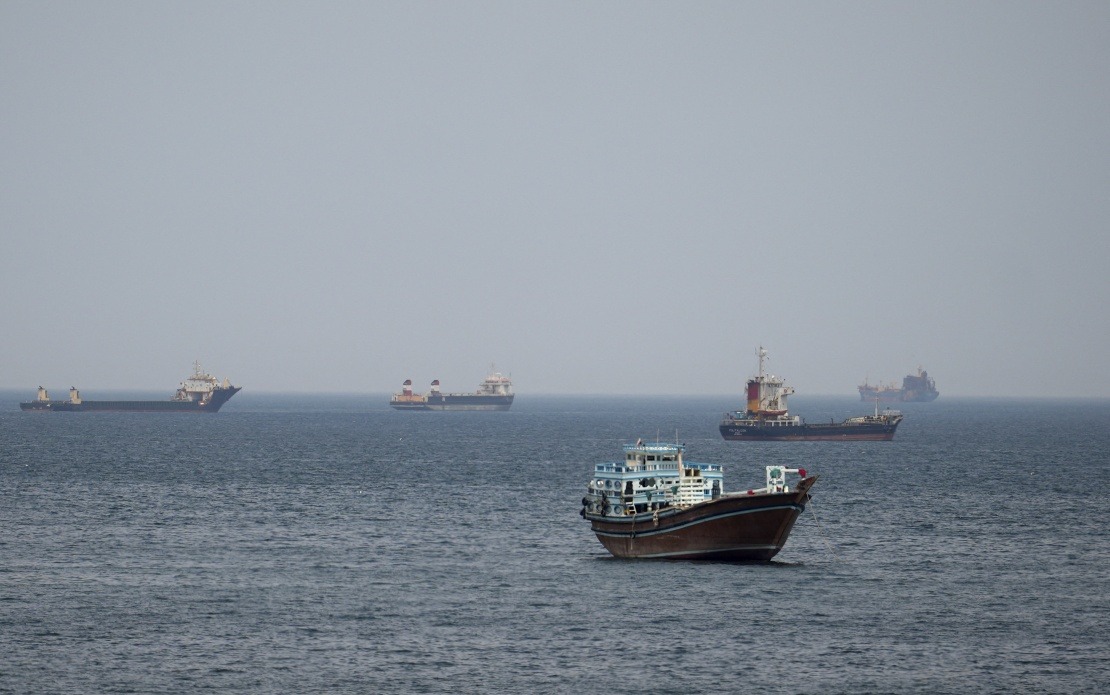
The United States military has undertaken a significant maritime security operation in one of the world's most strategically vital waterways, successfully escorting over 800 commercial vessels through the Strait of Hormuz since the beginning of May. According to the US Central Command (CENTCOM), this coordinated effort has also facilitated the transit of 380 million barrels of crude oil through the international trade corridor, underscoring the critical role American naval forces play in maintaining regional stability and safeguarding global energy supplies.
The announcement highlights the persistent security challenges confronting commercial shipping in the Persian Gulf region. The Strait of Hormuz serves as a chokepoint for approximately one-third of the world's seaborne oil trade, making it essential infrastructure for global economic stability. Any disruption to shipping through this waterway threatens not only regional economies but also energy security for nations worldwide, including Malaysia and other Southeast Asian countries dependent on reliable Middle Eastern oil supplies.
The US military escort operations reflect mounting concerns about maritime safety in the region following a series of confrontational incidents. Iranian attacks on three commercial vessels in the Strait of Hormuz triggered an escalatory cycle, with the United States responding with retaliatory strikes against Iranian military facilities. These tit-for-tat attacks underscore the fragility of the current situation and the razor-thin margin separating military restraint from open conflict in one of the world's most strategically important shipping lanes.
Throughout this period of heightened tension, CENTCOM's facilitation of safe passage for commercial shipping demonstrates the Pentagon's commitment to preventing supply chain disruption despite the volatile security environment. The sheer volume of vessels successfully transited—over 800 in roughly two months—speaks to the scale of global maritime commerce dependent on stable conditions through the Strait. Any significant interruption would ripple across international markets and create immediate pressure on fuel prices globally.
The recent escalation pattern has involved Iran launching retaliatory strikes against American military infrastructure positioned across multiple Gulf states. On Thursday, Iranian forces targeted US installations in Bahrain, Kuwait, Qatar, and Jordan in response to overnight American attacks. This broader geographic distribution of Iranian strikes signals an attempt to demonstrate reach beyond the Persian Gulf itself, potentially complicating diplomatic efforts to de-escalate the situation and raising questions about whether the conflict could spread beyond the maritime domain.
The continuing ability to maintain shipping traffic through the Strait despite active military hostilities reflects robust security protocols established by US forces. However, this arrangement remains fundamentally unstable. The presence of armed conflict in close proximity to commercial shipping lanes creates inherent risks, including the possibility of accidents, miscalculations, or deliberate targeting of merchant vessels caught between opposing military forces. Shipping companies and insurers remain acutely aware of these dangers, which continue to drive up costs and create economic inefficiencies in global trade.
For Malaysia and the broader Southeast Asian region, developments in the Strait of Hormuz carry direct economic consequences. Malaysia's position as a major energy consumer and petrochemical producer makes it vulnerable to any disruption in Gulf oil supplies or inflation in energy costs. Additionally, Malaysian shipping companies operating in the region face increased insurance premiums and operational risks when transiting these waters, effectively raising transportation costs for goods flowing through regional supply chains.
The fragile nature of the current situation cannot be overstated. The CENTCOM statement itself acknowledges the challenges posed by the ongoing tensions, even while describing successful operations. The fact that such substantial security measures are necessary to ensure safe passage demonstrates how far relations between Washington and Tehran have deteriorated. The underlying political and military tensions remain unresolved, suggesting that the security pressure required to maintain shipping could intensify if circumstances worsen.
Policymakers in Southeast Asia are watching developments closely, recognizing that any significant disruption to Strait of Hormuz traffic would have immediate implications for regional energy security and supply chain stability. The region's heavy reliance on imported oil and the centrality of maritime trade to regional prosperity mean that Gulf instability directly affects economic prospects across Southeast Asia. The successful escort operations provide temporary reassurance, but they cannot substitute for genuine diplomatic resolution of underlying tensions.
Looking forward, the sustainability of current escort operations and the maintenance of shipping traffic will depend on whether the United States and Iran can find ways to de-escalate their conflict. The pattern of tit-for-tat strikes suggests neither side is seeking a dramatic escalation, but the continued exchange of military attacks creates persistent risks. Any miscalculation or further incident involving commercial vessels could trigger a larger confrontation, with serious consequences for regional stability and global energy markets.

