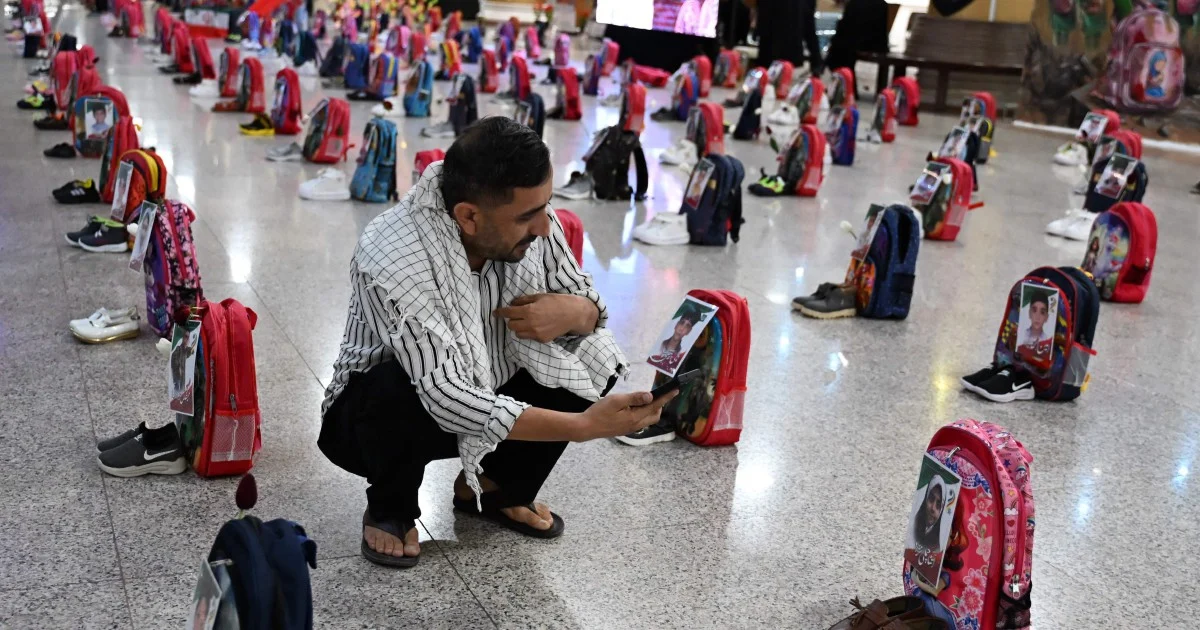
A coalition of Democratic senators led by Kirsten Gillibrand has escalated pressure on the Trump administration to make public the results of a Pentagon investigation into an airstrike carried out on February 28 against a girls' school in Iran. The lawmakers delivered their demand on Monday, setting a deadline of approximately one week for the administration to disclose the probe's conclusions.
The February 28 strike represents one of the most controversial military operations in the broader regional tensions between Washington and Tehran. The targeting of an educational facility housing female students raises significant questions about operational accuracy, intelligence assessment, and adherence to international humanitarian law principles governing armed conflict. Pentagon officials have characterised the strike as responding to perceived security threats, though the specifics of the intelligence justification remain classified.
Democratic senators have framed their request as essential to democratic accountability and transparency regarding military operations conducted in the public's name. The demand reflects broader congressional concerns about the scope and oversight of military actions in the Middle East, particularly following the uncertain geopolitical landscape created by escalating US-Iran tensions. The timing of the request coincides with renewed focus on Pentagon operational procedures and their alignment with international legal standards.
The investigation commissioned by the Pentagon was designed to examine the circumstances surrounding the strike, including the intelligence that prompted the operation, the decision-making processes involved, and whether all available precautions were taken to minimise civilian harm. Such probes are standard military practice following contested operations, yet their findings frequently remain restricted from public view for extended periods, citing national security considerations.
For Malaysian policymakers and Southeast Asian observers, this episode illuminates the complexities surrounding US military interventions in the Middle East and the domestic political pressure shaping American foreign policy. The incident demonstrates how controversial military actions generate sustained legislative scrutiny, even within administrations facing significant congressional Republican support. Understanding these internal American debates becomes crucial for regional nations navigating their relationships with Washington while maintaining independent foreign policy positions.
The senators' emphasis on a one-week disclosure timeline reflects mounting impatience with standard Pentagon protocols regarding classified information. Democratic lawmakers argue that transparency regarding civilian impact assessment is not merely a procedural matter but a fundamental requirement for public trust in military institutions. This perspective increasingly influences congressional attitudes toward military secrecy, potentially reshaping how future operations are reported and justified to elected representatives and constituents.
The strike's targeting of an educational facility distinguishes it from other contested military operations in the region. Schools occupy particular symbolic and legal significance in international humanitarian discourse, and attacks on educational institutions—regardless of military justifications—typically trigger international condemnation and formal investigations. The investigation's findings could establish important precedents regarding civilian protection standards in future operations.
The demand from Gillibrand and her colleagues also reflects deeper divisions within American politics regarding Iran policy and military escalation. Democratic senators have consistently advocated for greater restraint in Middle Eastern military actions and heightened scrutiny of operations that affect civilian populations. Their push for disclosure serves multiple purposes: holding the current administration accountable, establishing congressional prerogatives over military operational details, and demonstrating commitment to humanitarian principles in armed conflict.
Pentagon responses to transparency demands typically balance legitimate security concerns with democratic governance principles. Officials often argue that releasing investigation findings could compromise classified intelligence sources and methods or prejudice ongoing operations. However, lawmakers counter that redacted versions can address such concerns while still providing meaningful public information about civilian impact and operational decision-making.
The one-week timeline imposed by the senators places considerable pressure on the administration to expedite the investigation's public presentation. Meeting this deadline would signal responsiveness to congressional demands, while extended delays could intensify criticism about military intransparency. The standoff thus represents a broader institutional tension between executive authority over military matters and legislative oversight responsibilities.
For Southeast Asian nations observing American governance dynamics, this episode underscores how domestic political considerations shape military policy implementation. The region's stability partially depends on predictable, accountable US strategic behaviour, making these internal American debates about transparency and oversight matters of legitimate regional interest. Nations throughout Asia maintain security partnerships with Washington while simultaneously seeking reassurance about American adherence to international humanitarian principles.
The investigation's eventual disclosure—whether forthcoming within the demanded timeframe or following protracted bureaucratic processes—will likely inform broader discussions about civilian protection in military operations and American willingness to subject its own conduct to scrutiny. The outcome may also influence how allies and adversaries alike perceive American commitment to international legal frameworks governing armed conflict and civilian protection standards.

