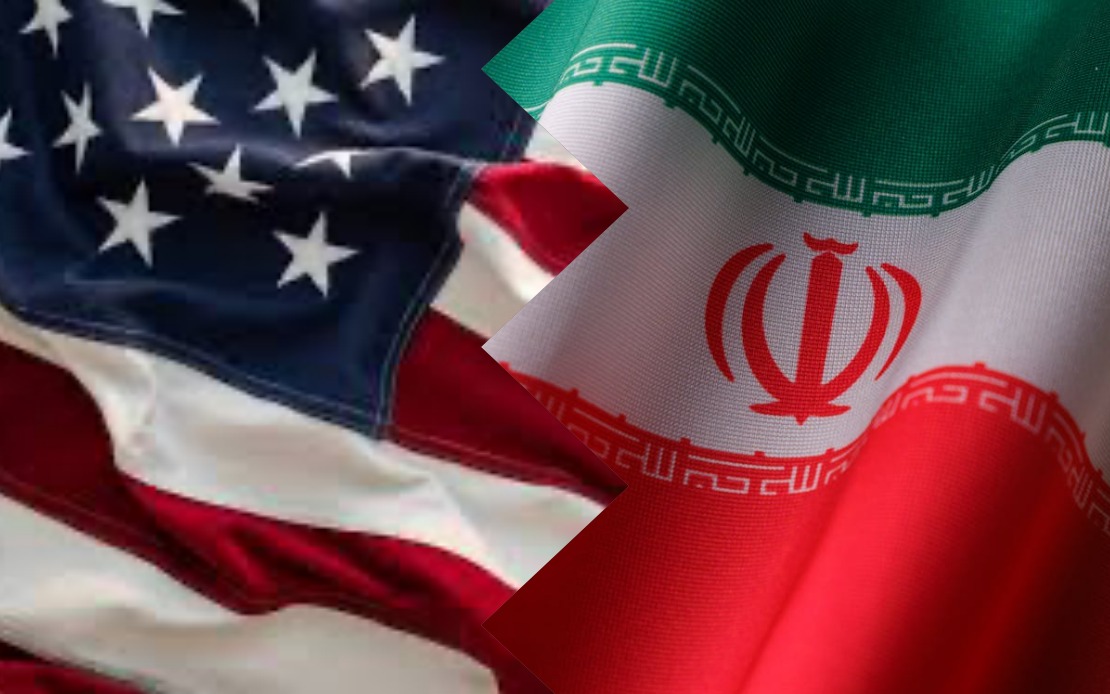
The United States military has intensified its campaign against Iran with a second round of strikes launched Wednesday afternoon, marking an escalation in direct confrontation between Washington and Tehran. According to the US Central Command (CENTCOM), the strikes commenced at 3 p.m. Eastern Time and were specifically designed to degrade Iranian military assets that pose threats to commercial shipping lanes. The operation underscores the Trump administration's determination to reassert American military dominance in one of the world's most strategically critical maritime corridors.
The timing and nature of these strikes reveal the administration's calculation that Iran's military infrastructure represents an unacceptable threat to global commerce and freedom of navigation. CENTCOM's statement emphasised that the Iranian military capabilities being targeted are those deployed to obstruct vessels transiting the Strait of Hormuz, an international waterway through which approximately one-third of global seaborne trade passes. The specific focus on maritime threats suggests the US strategy aims to protect commercial interests and maintain open shipping routes rather than pursuing broader regime change objectives.
President Trump reinforced the military message with a direct warning to Iranian leadership Wednesday, stating plainly that Tehran understands America's position and must adjust its behaviour accordingly. The language employed—urging Iran to "better behave"—signals a shift toward more direct, confrontational rhetoric compared to previous diplomatic frameworks. This dual approach combining military action with explicit political messaging reflects a strategy designed to impose costs on Iranian aggression while leaving room for de-escalation if Tehran complies with American demands.
The escalating cycle of attacks between the US and Iran represents a dangerous deterioration from earlier diplomatic efforts. Despite a Pakistan-mediated memorandum of understanding established with the intention of halting the broader conflict, both nations have continued military operations. This pattern suggests that diplomatic agreements alone have proven insufficient to constrain the security competition between Washington and Tehran, particularly given the fundamental disagreement over Iran's regional activities and nuclear ambitions.
The February attacks involving both the United States and Israel against Iranian targets triggered the current cycle of retaliation and counter-retaliation. Rather than inducing Iranian capitulation or restraint, those strikes appear to have hardened Iranian resolve and prompted more aggressive posturing. The current second wave represents Washington's attempt to reassert escalatory dominance and convince Iranian decision-makers that continued defiance will prove increasingly costly. For regional observers and Malaysia's strategic interests, this pattern demonstrates how quickly military exchanges can undermine diplomatic progress in the Middle East.
The Strait of Hormuz holds particular significance for Southeast Asian nations, including Malaysia, given the region's dependence on stable energy supplies and predictable shipping patterns. Approximately 80 percent of traded oil passes through this narrow waterway, making any disruption to maritime traffic a matter of direct economic concern for Asian economies. Malaysia's substantial import of crude oil and reliance on uninterrupted shipping routes mean that escalating Iranian-American tensions directly threaten Malaysian economic stability and energy security.
The targeting of Iranian military capabilities specifically designed to threaten commercial shipping suggests the US views the Strait as increasingly contested space where Iran is attempting to establish coercive control. If successful, such control could allow Iran to extort transit fees, disrupt supply chains, or weaponise shipping as a geopolitical lever. The American military response can therefore be understood as an attempt to prevent Iranian hegemony over this critical chokepoint and preserve the international rules-based system governing maritime commerce. For Malaysia and other nations dependent on unimpeded Strait access, American military intervention paradoxically serves to maintain the stable shipping environment their economies require.
The continuation of military strikes despite the Pakistan-mediated peace effort indicates that neither side currently views negotiated settlement as preferable to military competition. This assessment reflects deep underlying disagreements about Iran's regional role, its nuclear programme, and the balance of power in the Middle East. Pakistani mediation efforts, while laudable, appear to have reached the limits of their effectiveness given the structural tensions and competing strategic objectives of the principal combatants. The failure of diplomatic initiatives to gain traction suggests that settlement will require either fundamental changes in one party's strategic objectives or exhaustion through prolonged conflict.
For Malaysia's foreign policy positioning, this escalation presents a delicate balancing challenge. As a Muslim-majority nation with significant strategic interests in regional stability, Malaysia must navigate between sympathy for Iran as a fellow Muslim country and recognition that stability in the Strait of Hormuz serves Malaysian economic interests. The country's decision-making will likely emphasise protecting maritime trade, supporting international law frameworks, and avoiding alignment with either military camp while maintaining constructive diplomatic relationships with both sides.
The American strikes also carry implications for regional military calculus beyond the US-Iran dyad. Israel, Saudi Arabia, and United Arab Emirates monitor these operations closely, assessing whether American military commitment to constraining Iranian power remains firm. The second wave of strikes communicates resolve to these regional partners while potentially encouraging more aggressive postures if they perceive American backing. Conversely, other regional actors may view the strikes as evidence of American determination to maintain its hegemonic position through military force rather than negotiated settlement, potentially encouraging hedging behaviour and reduced alignment with Washington.
Looking ahead, the trajectory of US-Iran military competition remains uncertain but concerning for regional stability. If the strikes achieve their intended psychological effect and convince Iranian leaders that escalation is counterproductive, tensions might recede and diplomatic channels reopen. Alternatively, if Iran perceives the strikes as unjustified aggression requiring response, the cycle may continue spiralling. Malaysia and other Southeast Asian nations can only monitor developments while reinforcing diplomatic pressure for restraint and hoping that cooler heads ultimately prevail over the current militarised approach dominating US-Iran relations.

