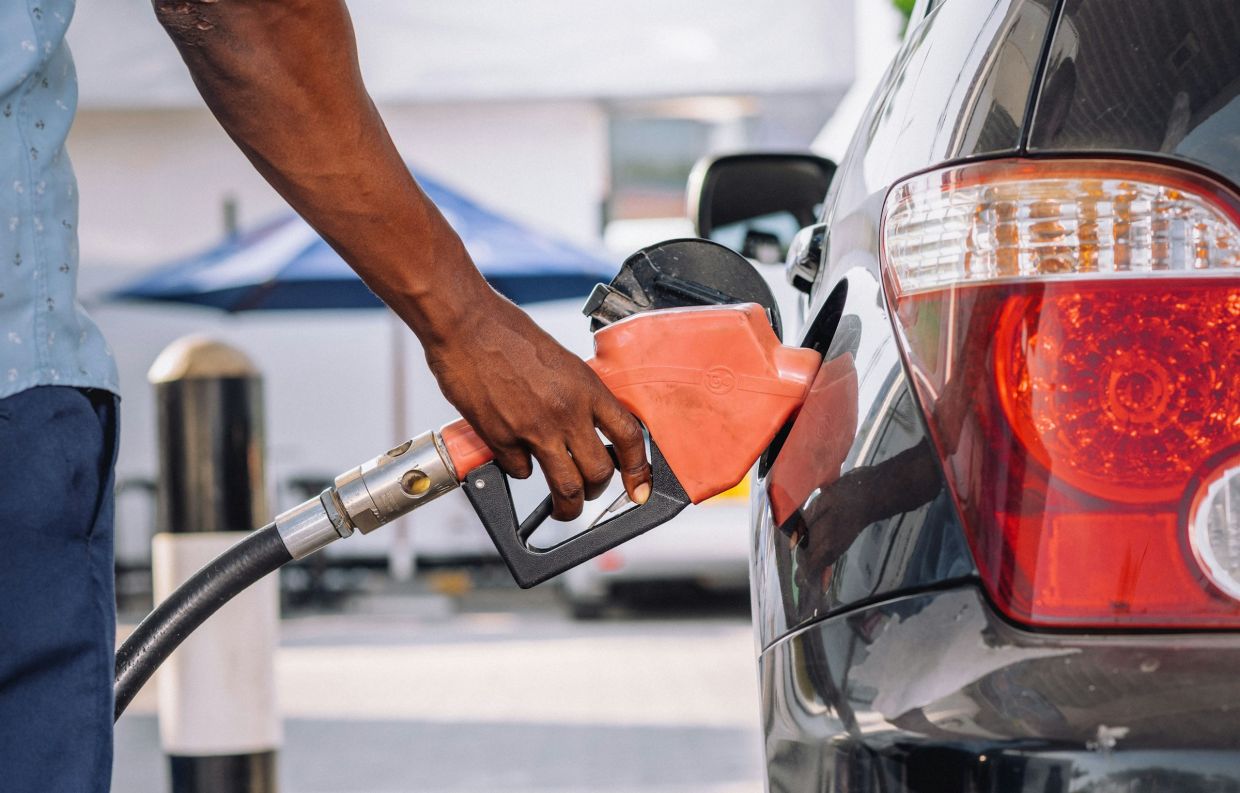
Major petrol station operators in California, including Walmart Inc, Marathon Petroleum Corp, BP Plc and 7-Eleven Inc, are facing a federal lawsuit from consumers who allege the companies deployed artificial intelligence technology to illegally manipulate fuel pump prices across more than 1,700 filling stations throughout the state. The complaint was filed Monday in Sacramento federal court, targeting what plaintiffs argue is a coordinated scheme to inflate prices at a time when California already struggles with the highest petrol costs in the United States.
At the heart of the case is Kalibrate Fuel Systems Ltd, a pricing technology company whose algorithmic tool allegedly enables station operators to automatically adjust prices in real-time using confidential market data. According to the lawsuit, this system allowed retailers to boost petrol prices by up to US$0.22 per gallon and diesel prices by US$0.33 per gallon above already elevated levels. Some California locations have seen petrol reach US$7 per gallon, creating an acute affordability crisis for consumers across the state.
The financial impact described in the complaint is substantial. Consumer advocates argue that every additional penny added to fuel prices costs California drivers approximately US$134 million annually. This calculation underscores how incremental price increases, when multiplied across millions of vehicles and daily transactions, translate into significant consumer harm. The lawsuit seeks damages under California antitrust law, attempting to compensate drivers who are alleged to have overpaid for fuel as a result of the pricing manipulation.
This case represents one of the first major legal challenges brought under AB 325, a piece of legislation California enacted last year specifically designed to prohibit the use of shared pricing algorithms in the fuel retail sector. The law reflects growing recognition that pricing technology, while capable of improving market efficiency, can also facilitate anticompetitive behaviour when deployed to suppress competition rather than enhance it. Lawmakers identified a need to regulate how fuel retailers coordinate pricing strategies through digital platforms.
California's fuel market has intensified scrutiny from state regulators over recent months. The state's fuel watchdog issued subpoenas to certain station operators last month, indicating heightened official concern about the sustainability and justification of elevated prices. This regulatory action preceded the consumer lawsuit and suggests mounting pressure on the industry to justify pricing decisions to authorities and the public.
Governor Gavin Newsom has signalled his administration's commitment to fuel market oversight by signing a series of legislative measures in 2023 and 2024 aimed at strengthening state authority over pricing practices. These bills expanded the energy regulator's powers to investigate price anomalies and hold operators accountable for unexplained increases. The regulatory framework now in place provides legal tools for addressing allegations of coordinated pricing behaviour.
The defendants have taken varied approaches to the allegations. Walmart stated that it is reviewing the complaint and will provide appropriate responses through the court process, indicating the company intends to defend itself vigorously. BP declined to offer any comment on the matter. Representatives from Marathon Petroleum, 7-Eleven, and Kalibrate Fuel Systems did not respond to requests for comment on the lawsuit, a silence that raises questions about their positions on the allegations.
California's fuel pricing challenges have transcended state-level politics and entered the national debate. The Trump administration has highlighted the state's persistently high petrol costs as evidence of regulatory overreach, with Energy Secretary Chris Wright promoting a controversial offshore oil-drilling project in California waters as a potential solution. This federal interest adds another dimension to the ongoing dispute, as different political actors advance competing theories about what drives fuel prices and how they should be managed.
The case highlights a broader tension in modern markets between technological innovation and fair competition. Pricing algorithms can theoretically improve efficiency by allowing sellers to respond quickly to changing demand and supply conditions. However, when competitors use the same algorithmic tools or share data feeds, the potential exists for these systems to facilitate price coordination that harms consumers. Regulators and courts increasingly grapple with distinguishing legitimate algorithmic pricing from collusive behaviour enabled by technology.
For Malaysian and Southeast Asian observers, this case carries instructive lessons about the risks posed by AI-driven pricing systems in concentrated retail sectors. As technology adoption accelerates across Asia-Pacific markets, fuel retailers and regulators should consider whether similar safeguards are needed locally. The question of how to allow beneficial technological innovation while preventing anticompetitive coordination remains unresolved in most jurisdictions, including those in our region.