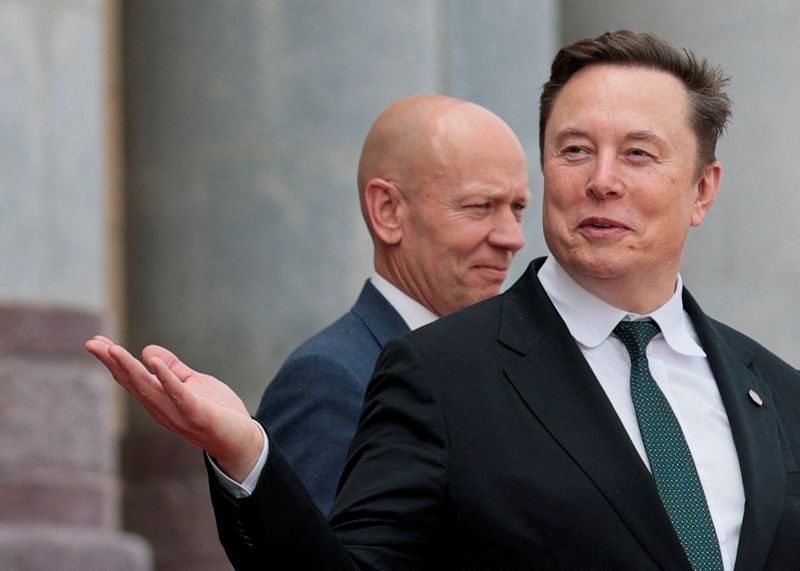
A federal judge in San Francisco has dealt a significant blow to Elon Musk's legal campaign against a jury verdict holding him accountable for defrauding Twitter investors during the 2022 takeover of the social media giant. On Monday, U.S. District Judge Charles Breyer rejected Musk's motion to set aside the March verdict, marking a major setback in his efforts to overturn the finding of liability. The decision underscores the durability of the jury's conclusions despite Musk's aggressive post-trial legal maneuvering, even as the judge found that one of the contested tweets did not meet the threshold for liability.
Musk had mounted a comprehensive challenge to the jury's verdict through multiple legal arguments, seeking to overturn the entire finding of fraud liability. These efforts included requests to dismiss the class action designation that allowed thousands of Twitter investors to pursue claims collectively. However, Judge Breyer's ruling rejected this strategy wholesale, determining that the jury's core conclusions should stand. The judge's decision provides legal vindication for the investor group and advances the case toward the damages phase, where financial compensation will be determined based on the liability findings already established.
The underlying dispute centres on Musk's conduct in the months leading up to his acquisition of Twitter for $44 billion. In March, the jury had concluded that Musk engaged in deliberate market manipulation by making false and misleading statements about the platform, specifically regarding the prevalence of bot accounts and fake users. These statements, the jury found, were designed to artificially depress Twitter's stock price, thereby pressuring the company's board to renegotiate the deal or allowing Musk to withdraw from his purchase commitment. The verdict reflected jurors' belief that Musk had acted with intent to defraud rather than merely making careless or negligent misstatements.
Two particular tweets became focal points of the litigation. On May 13, 2022, Musk posted a message questioning whether Twitter was overrun by fake accounts, and again on May 17, 2022, he raised similar concerns about bot prevalence. The jury held Musk liable for both statements, finding them instrumental in the scheme to manipulate stock prices. However, Judge Breyer's more recent analysis drew a distinction between the two tweets in terms of their market impact and the evidence supporting liability. The judge identified substantial evidence of factual falsity in the May 13 tweet, which indeed corresponded with a significant decline in Twitter's share price.
Regarding the May 17 tweet, Breyer's reasoning diverged from the jury's conclusion. The judge noted that market data showed a lack of pronounced stock price reaction following that particular posting, suggesting it may not have carried the same manipulative impact or market significance as the earlier message. This technical distinction, though resulting in partial exoneration on one tweet, did not extend to overturning the broader verdict. The judge's nuanced approach demonstrates how courts sometimes refine jury findings through detailed analysis of evidence and market mechanics while preserving the fundamental liability determination.
The judge also rejected Musk's motion to decertify the investor class, a procedural mechanism that would have fragmented the lawsuit and potentially undermined the collective claims. Maintaining the class certification ensures that the damages award, once calculated, will apply to the broader group of affected shareholders rather than requiring individual lawsuits. This decision has substantial implications for the scale of potential liability that Musk may face. When the jury delivered its verdict in March, plaintiff attorneys estimated that total damages could reach approximately $2.5 billion, though final calculations would depend on detailed analysis of stock price movements and investor losses during the relevant period.
Additionally, Judge Breyer granted the investors' request for prejudgment interest, a measure that increases the total compensation owed by accounting for the time value of money between when the fraud occurred and when damages are ultimately paid. This provision effectively compounds the financial burden on Musk, as it reflects not only the direct losses investors suffered but also the opportunity cost of being deprived of those funds during the interim period. The prejudgment interest award demonstrates the court's intent to make victims whole while acknowledging the time delay inherent in complex litigation.
Musk's legal team did not provide immediate comment on the ruling, leaving unclear whether further appeals or additional motions are contemplated. However, the comprehensive nature of Judge Breyer's decision suggests limited grounds for immediate reconsideration, barring significant new evidence or legal arguments not yet presented. The ruling follows months of intense litigation in which both sides have mobilised substantial legal resources to either defend or challenge the jury's conclusions.
The case carries implications beyond the individual parties involved, touching on broader questions about executive accountability in corporate transactions and the ability of shareholders to hold billionaire entrepreneurs responsible through civil litigation. For Malaysian investors with exposure to US-listed technology companies or those considering investments in major tech acquisitions, the case illustrates how American securities law and courts can provide recourse when executives make materially misleading statements about assets they are acquiring. The verdict and its affirmation also signal that juries and judges take seriously claims of deliberate stock manipulation designed to pressure counterparties into renegotiating major business deals.
Looking ahead, the case will now progress toward the damages determination phase, where the precise financial consequences of the fraud will be calculated based on market data and expert testimony regarding investor losses. This next stage will establish the actual monetary liability that Musk and potentially his entities must satisfy. The interaction between the jury's liability findings and the judge's refinement of those conclusions suggests that courts remain engaged in careful scrutiny of facts while generally respecting jury determinations on core questions of culpability and intent.

