The 9th US Circuit Court of Appeals in San Francisco has delivered a significant setback to Meta and TikTok by rejecting their attempts to overturn lower-court decisions that permit thousands of consolidated youth-safety claims to proceed to trial. The three-judge panel's ruling on Monday represents a pivotal moment in litigation that could reshape how American technology companies design and operate social media platforms aimed at minors.
At the heart of the dispute lies a fundamental disagreement over Section 230 of the Communications Decency Act, a foundational piece of internet law that has protected online services from liability for content posted by users. Meta argued the statute grants complete immunity from suit, effectively requiring all claims to be dismissed before trial. Judge Jacqueline Nguyen, writing for the panel, firmly rejected this interpretation, stating that the law "merely provides a defence to liability, not immunity from suit." This distinction proves crucial for the thousands of plaintiffs pursuing claims across the country.
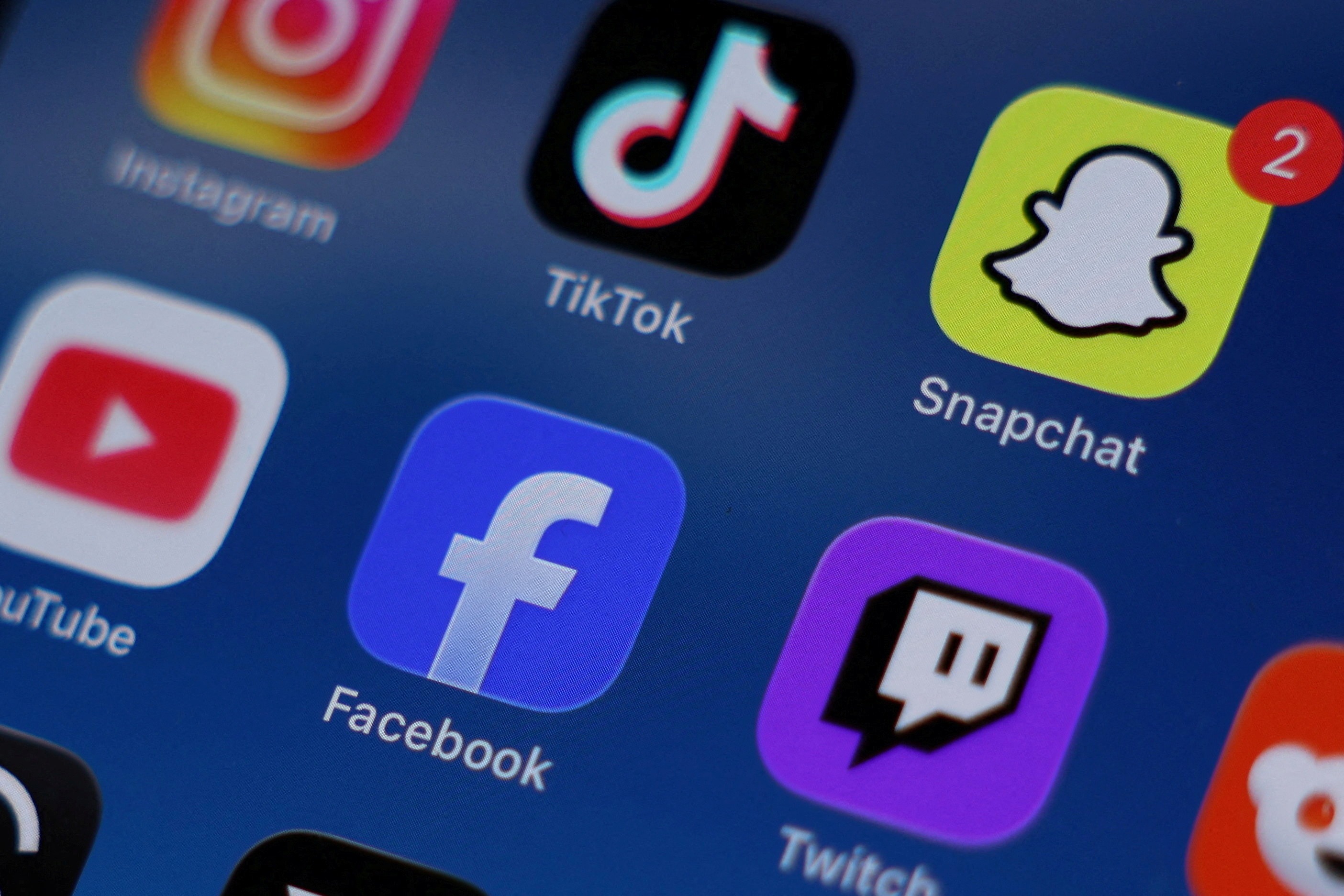
The consolidated litigation represents one of the largest coordinated legal actions against technology companies in recent history. As of early August, 3,137 cases were pending in the multidistrict proceeding, with 3,312 total cases included since litigation commenced. Chief US District Judge Yvonne Gonzalez Rogers of California's Northern District oversees the proceedings. The defendants span the entire social media landscape: Meta's Facebook and Instagram platforms, Google and YouTube through parent company Alphabet, TikTok through owner ByteDance, and Snapchat via parent Snap.
Plaintiffs in these cases include individual young users, state attorneys general offices, school districts, and local government bodies. Their allegations paint a troubling picture of deliberate platform design choices. They contend that social media companies engineered features specifically to foster addictive behaviour among children and adolescents, failed to verify that users met age requirements, permitted minors to circumvent parental controls, and provided inadequate protection against harmful content. These claims raise questions about corporate responsibility that extend beyond American borders and resonate strongly in Southeast Asia, where social media penetration among youth remains exceptionally high.
The lower court's approach proved more nuanced than a simple dismissal of all claims. While the District Court granted Meta's motions to dismiss certain allegations involving platform features tied to the companies' traditional publisher role, it permitted other categories of claims to advance. The court recognised that Section 230 shielded companies from liability regarding third-party content in specific contexts but did not require blanket dismissal of all allegations. This partial rejection became the basis for Meta's emergency appeal to the 9th Circuit.
Meta's legal strategy hinged on arguing that when Section 230 provides a defence, defendants possess an immediate right to appeal dismissal denials. The company maintained this position throughout proceedings, with TikTok joining Meta's arguments without filing separate legal briefs. The appeals court's rejection of this approach signals that platforms cannot use Section 230 as a shield to avoid the litigation process itself. Instead, companies may challenge unfavourable Section 230 rulings only after final judgement, allowing cases to proceed through discovery and potentially to trial.
The appellate panel also noted that the lower court had permitted certain failure-to-warn claims to continue "for now" given the litigation's early stage and the developing legal landscape surrounding social media platform liability. This language suggests judicial recognition that law in this domain remains unsettled, with courts still grappling with how traditional legal concepts apply to novel technological contexts. The decision rejected Meta's emergency motion to halt an upcoming trial while appeals were pending, further accelerating the path toward judicial resolution.
Immediate implications became apparent as jury selection in a multistate attorneys general case against Meta was scheduled to begin Wednesday in Oakland, California, with opening statements set for August 18. This trial focuses specifically on whether Meta violated federal and state laws, including the Children's Online Privacy Protection Act, through features on Facebook and Instagram that allegedly harmed minors or encouraged compulsive usage. Meta has firmly disputed all allegations, setting the stage for contested factual and legal determinations.
For Malaysian observers and Southeast Asian policymakers, this development carries significant implications. Social media platforms operate globally with largely identical features, suggesting that evidence emerging from American litigation regarding youth harm could influence regulatory approaches across the region. Malaysia's own communications regulator and child protection authorities closely monitor international developments in platform accountability. The court's rejection of broad immunity claims may embolden similar actions in other jurisdictions seeking to hold platforms responsible for youth safety failures.
The ruling also reflects evolving judicial interpretation of how foundational internet-era legislation applies to contemporary social media business models. When Congress enacted Section 230 in 1996, it aimed to protect emerging online services from liability while encouraging voluntary content moderation. Decades later, with social media platforms wielding unprecedented influence over billions of users globally, courts face pressure to recalibrate those protections against modern harms. The 9th Circuit's decision recognises that platforms cannot hide behind outdated statutory language to avoid accountability for design choices specifically targeting young users.
The litigation's progression toward trial represents a watershed moment for technology regulation. Unlike settlement negotiations or regulatory interventions, courtroom proceedings create public records, witness testimony, and judicial findings that establish legal precedent. Evidence regarding how Meta, TikTok, and other platforms specifically engineered features to maximise engagement among minors could reshape legal and regulatory expectations globally. Southeast Asian governments increasingly scrutinise how international platforms operate domestically, and American court findings provide valuable ammunition for those advocating stricter regulations.
Looking ahead, the trials will likely reveal internal platform communications, design documents, and engagement metrics that illuminate corporate decision-making regarding youth user retention. Such revelations could accelerate momentum for legislation addressing algorithmic recommendation systems, dark patterns, and other design elements that critics argue exploit developmental vulnerabilities in adolescents. Whether platforms ultimately face liability remains uncertain, but the appellate court's decision guarantees that this question will be resolved through comprehensive litigation rather than statutory immunity.

