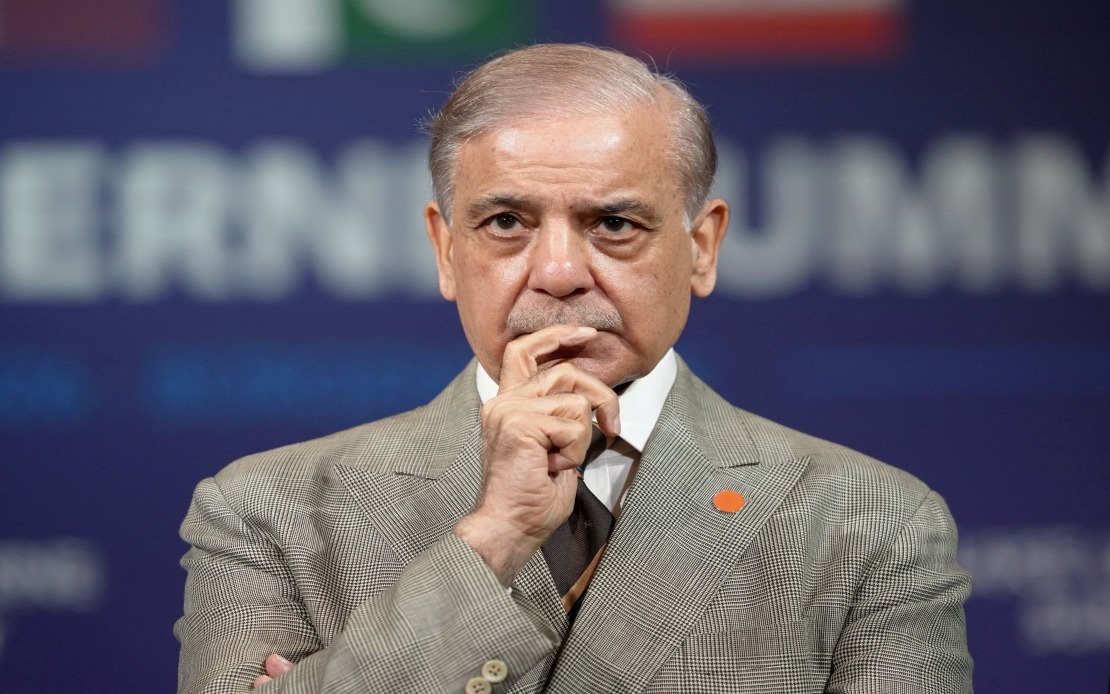
Pakistan's Prime Minister Shehbaz Sharif declared on Tuesday that the United States and Iran have entered a critical negotiation phase following recent diplomatic talks in Switzerland, with both nations committing to intensive discussions within the coming 60 days. Speaking before lawmakers in the National Assembly, Sharif outlined an ambitious roadmap aimed at transforming a preliminary memorandum of understanding into a comprehensive, long-term agreement that could reshape regional geopolitics and ease decades of tension between Washington and Tehran.
The diplomatic breakthrough centres on the Islamabad Memorandum of Understanding, formally signed by both the US and Iran on June 17, with Pakistan serving as an official mediator in the process. Sharif emphasized that substantive progress had been achieved during the recent technical discussions held in Burgenstock, Switzerland, where negotiators from both sides established concrete mechanisms to advance toward a final settlement. Pakistan and Qatar jointly facilitated these talks, reflecting the broader international effort to bridge one of the world's most entrenched geopolitical divides.
According to Sharif's parliamentary address, the upcoming 60-day negotiation window will tackle three interconnected issues that have long complicated US-Iran relations. The agenda encompasses the broader nuclear programme dispute that has defined international concern about Iranian atomic capabilities, the question of ballistic missile development and potential restrictions, and the substantial frozen Iranian assets held internationally—an issue that has paralyzed economic relations and contributed to Iran's economic hardship. The Pakistani premier expressed optimism that these technical-level discussions would produce measurable movement toward resolving each component.
However, Iran's Foreign Ministry swiftly introduced a note of caution regarding the scope of these negotiations. Spokesman Esmaeil Baghaei clarified that ballistic missile capabilities were notably absent from the Switzerland discussions and emphasized that Tehran would not accept such matters as future negotiation points. This position reflects Iran's longstanding assertion that its missile programme falls outside the scope of international nuclear agreements and constitutes a separate dimension of its national defence strategy.
Baghaei's statement also addressed another contentious issue: international inspections of Iranian nuclear facilities. He rejected any possibility that Iran would permit International Atomic Energy Agency inspectors to access nuclear installations that were targeted during military operations by the United States and Israel. This stance indicates that Iran remains unwilling to provide unfettered access to certain sensitive sites, a position likely to complicate verification mechanisms that Western negotiators typically demand in comprehensive nuclear agreements.
The significance of these negotiations extends well beyond bilateral US-Iran relations. Southeast Asian observers, including those in Malaysia, should recognize that a permanent agreement between these powers would substantially reduce regional tensions and potentially stabilize global energy markets, given Iran's substantial oil and gas reserves. The outcome could also influence broader geopolitical alignments in the Middle East and affect international shipping through critical chokepoints like the Strait of Hormuz, through which Malaysian and regional shipping regularly passes.
Pakistan's prominent mediating role deserves particular attention for Malaysian policymakers. By positioning itself as an official intermediary alongside Qatar, Pakistan has elevated its diplomatic standing and demonstrated capacity to broker negotiations between fundamentally opposed parties. This development underscores how smaller and mid-sized nations can leverage strategic geography and diplomatic relationships to exercise influence on major power negotiations, a lesson relevant to Malaysia's own regional diplomacy and aspirations.
The 60-day timeline represents an aggressive but realistic timetable for technical discussions to produce substantive progress. Technical-level talks typically move faster than high-level political negotiations, as they focus on specific mechanisms, verification procedures, and implementation frameworks rather than broader policy questions. However, disagreements already evident regarding missile programmes and inspection access suggest that significant obstacles remain, and whether the parties can bridge these differences within two months remains uncertain.
The frozen assets issue carries particular economic significance. These funds, accumulated through international sanctions over many years, represent a substantial portion of Iran's foreign exchange reserves. Their release would provide Tehran with immediate capital for economic reconstruction, potentially easing internal political pressures on Iran's government and creating incentives for accepting negotiated limitations on its nuclear programme. Conversely, the United States may resist full unfreezing without comprehensive Iranian concessions.
Malaysia and Southeast Asian nations have genuine interests in the success of these negotiations. Regional stability in the Middle East directly affects shipping routes, energy prices, and security conditions affecting the broader Indo-Pacific region where Southeast Asian nations maintain vital interests. Additionally, successful conclusion of a permanent US-Iran nuclear agreement could reduce the likelihood of military escalation that could draw in regional powers and destabilize global energy supplies upon which the Malaysian economy depends.
Sharp disagreements between the negotiating parties' public statements suggest that merely signing a preliminary memorandum represents a beginning rather than any indication of imminent comprehensive agreement. Iran's immediate clarifications about what it will not negotiate on—missile capabilities and unrestricted inspections of targeted facilities—establish red lines that American negotiators must navigate carefully. The coming 60 days will determine whether sufficient common ground exists to transform this preliminary understanding into an enduring framework.
The involvement of multiple mediators indicates international recognition of these talks' importance. Pakistan's geographic proximity to Iran and its historical relationships provide certain advantages, while Qatar's established diplomatic ties with both American and Iranian officials offer different channels for shuttle diplomacy. This multilayered mediation approach suggests that the international community recognizes both the difficulty of these negotiations and their potential significance for regional and global stability.