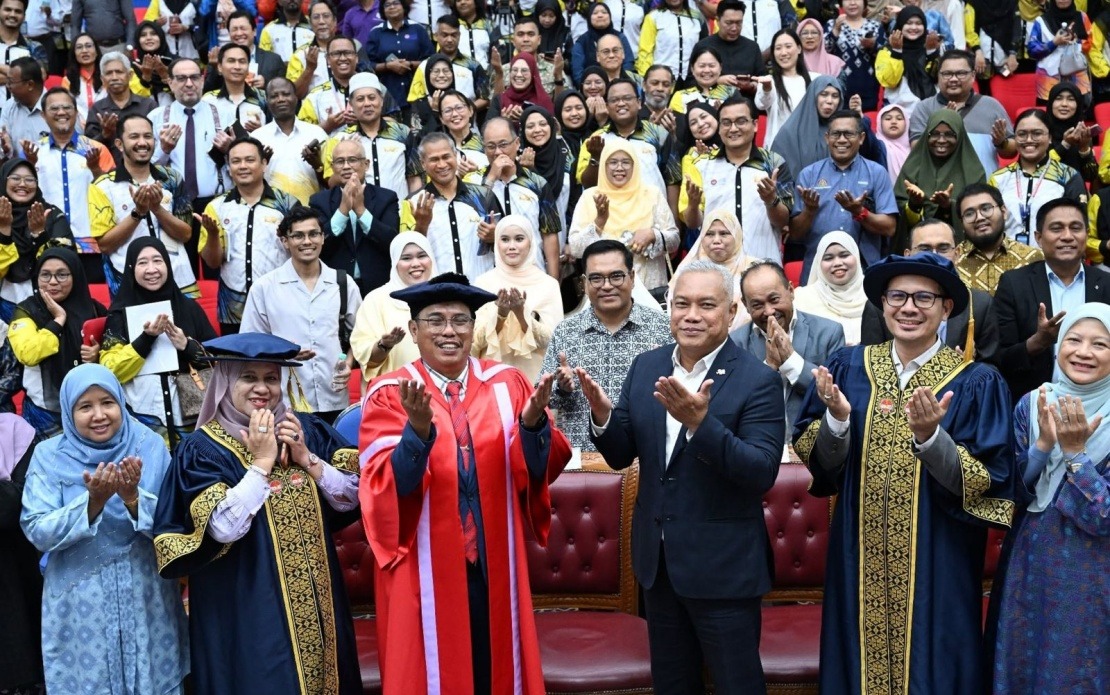
Universiti Pendidikan Sultan Idris (UPSI) is actively pursuing plans to establish a private specialist hospital within its Tanjong Malim campus, signalling an ambitious expansion into healthcare infrastructure that reflects broader aspirations for the institution and the surrounding region. The initiative marks a significant shift in how Malaysian universities are approaching campus development, moving beyond traditional academic facilities to create comprehensive support ecosystems that cater to the wellbeing of their increasingly diverse populations.
Vice-Chancellor Prof Datuk Dr Md Amin Md Taff disclosed that the proposed facility would serve multiple strategic objectives. The primary motivation centres on addressing the healthcare demands of UPSI's expanding international student cohort and professional workforce, a concern that has become more pressing as the university strengthens its global recruitment efforts. By establishing medical facilities on campus, UPSI would eliminate the need for students and staff to travel to distant healthcare providers in urban centres, a particularly important consideration given Tanjong Malim's location in rural Perak.
The university is currently in exploratory discussions with potential private healthcare operators, examining various business models that could make the project financially viable and operationally sustainable. Rather than constructing and managing the hospital directly, UPSI is open to collaborative arrangements where experienced private healthcare providers would operate the facility either on university land or through other partnership structures. This approach mirrors successful models employed by other major institutions globally, where universities partner with healthcare companies to deliver specialist services.
The timing of this initiative reflects UPSI's broader positioning strategy within Malaysia's evolving educational landscape. The university recognises that to remain competitive internationally and attract premium talent—both students and faculty—it must offer comprehensive campus amenities that rival established alternatives. A specialist hospital would distinguish UPSI from competing institutions and strengthen its appeal to prospective international enrolees from Southeast Asia and beyond, who increasingly expect integrated support services.
Beyond healthcare, UPSI's vision encompasses transforming Tanjong Malim into what officials describe as a knowledge city ecosystem. This concept extends beyond campus boundaries to reimagine the entire community surrounding the university. The hospital project represents one component of a larger masterplan that positions the region as an educational and residential hub capable of attracting talent and investment. As Malaysia seeks to develop secondary cities and reduce concentration in the Klang Valley, UPSI's ambitions align with national spatial development priorities.
Complementing the hospital initiative is UPSI's long-term aspiration to develop retirement facilities for former university employees. The proposed retirement resort would enable academics and staff to maintain connections with the institution during their post-working years, creating a distinctive community environment. This element reveals sophisticated thinking about campus life cycles and intergenerational connection, positioning the university not merely as a transient educational venue but as a lifetime community for its constituents.
The retirement facilities concept carries particular resonance within Malaysia's context of demographic ageing. As the population ages, demand for quality retirement accommodation in appealing environments continues rising. By developing such facilities near an educational institution, UPSI creates opportunities for meaningful engagement—elderly residents could potentially contribute knowledge through mentoring programs, participate in seminars, or audit courses, maintaining intellectual stimulation whilst enjoying tailored residential support.
These expansions signal how Malaysian universities are evolving beyond their traditional academic mission to function as comprehensive service providers and community anchors. The shift reflects competitive pressures in the global higher education market, where institutional reputation increasingly depends on quality-of-life factors rather than academic credentials alone. For UPSI, whose teacher education focus has historically centred on pedagogical excellence, these additions represent an intentional rebranding toward a fuller residential university model.
The initiative also highlights opportunities for Perak's economic development. Attracting international students through superior facilities generates revenue and creates local employment while establishing the state as an educational destination. A specialist hospital would attract medical professionals to the region and potentially become a hub for healthcare education and training, creating spillover benefits throughout the surrounding community.
From a healthcare policy perspective, UPSI's initiative addresses genuine gaps in Perak's medical infrastructure. Rural areas throughout Malaysia face persistent challenges in accessing quality specialist care, and facilities established within university settings can serve dual purposes—supporting campus populations whilst providing services to the broader regional community. This public-private hybrid approach offers one pragmatic solution to Malaysia's healthcare equity challenges.
The project remains in early stages, with UPSI currently evaluating feasibility and potential partners. No timeline has been announced, and regulatory approvals will be necessary before implementation. Nevertheless, the university's public articulation of these plans signals serious commitment to realising them. As Malaysia's higher education sector increasingly competes for talent and investment globally, comprehensive campus ecosystems will likely become standard expectations rather than premium differentiators, making UPSI's proactive approach strategically sound.

