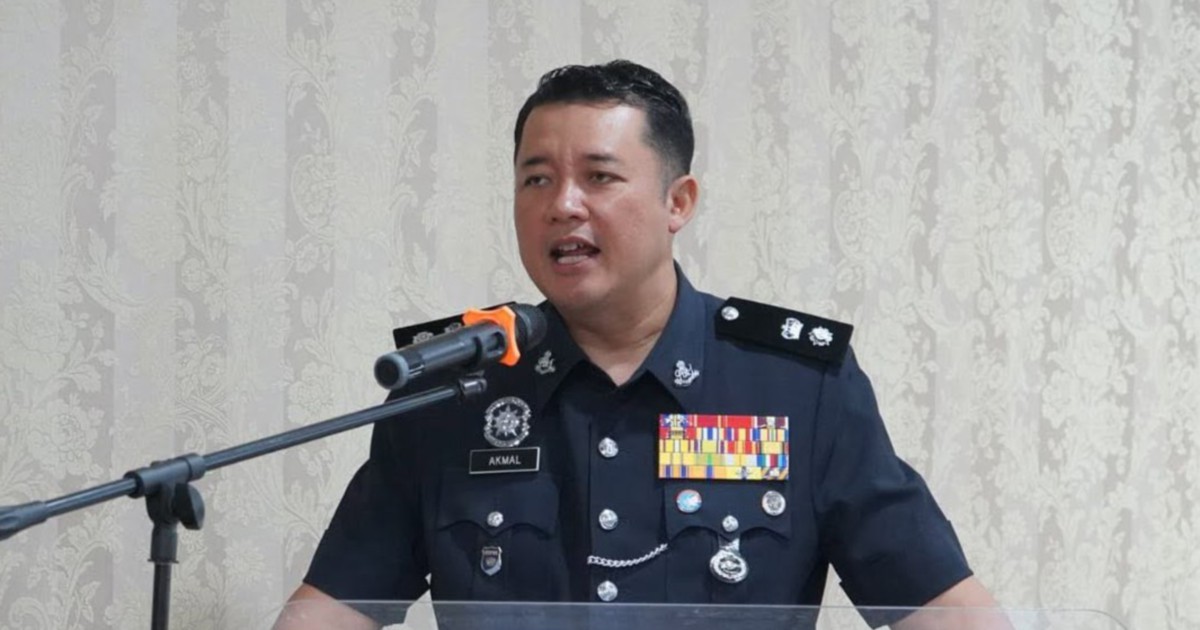
Authorities in Kuala Langat have secured a remand order for a university student spanning four days as investigations intensify into circumstances surrounding the discovery of a newborn infant's body at a hostel rubbish disposal site. The case has triggered immediate concerns about safety protocols within student accommodation facilities and the welfare support systems available to vulnerable individuals on campus, issues that resonate across Malaysia's higher education sector.
The discovery of the deceased newborn at the hostel's waste disposal facility has prompted police to focus their preliminary investigation on determining the identity of the infant and establishing the precise circumstances leading to the infant's death. The four-day remand period provides investigators crucial time to conduct interviews, gather forensic evidence, and piece together the sequence of events that preceded the discovery. Such remand orders are typically sought when authorities believe an individual can provide material assistance to their inquiries and when there exists reasonable suspicion requiring further custodial interrogation.
This incident underscores a significant gap in campus support infrastructure across Malaysian universities. Student accommodation facilities house thousands of young individuals often far from family support networks, some experiencing profound personal crises without adequate counselling or emergency assistance mechanisms. The discovery raises troubling questions about whether students in distress have accessible pathways to seek help, particularly regarding sensitive reproductive and maternal health matters that remain culturally stigmatised in Malaysian society.
Hostel management and university authorities typically implement basic security measures and waste management protocols, yet the incident suggests potential vulnerabilities in these systems. Supervision and monitoring of hostel facilities, particularly regarding unusual activities or concerning behaviour among residents, may require reassessment. The rubbish disposal area, frequently accessed with minimal oversight, became the location where the newborn's body was discovered, indicating a possible breach in facility management oversight or security protocols.
From a legal and investigative standpoint, authorities will need to establish several critical elements. These include determining the cause of the infant's death, establishing whether it occurred at or near the hostel location, and identifying all parties involved in the circumstances leading to the body's disposal. Forensic evidence, medical examinations, and witness statements will form the foundation of the investigation. The four-day remand allows investigators to pursue these inquiries intensively before determining whether further detention or alternative investigative approaches become necessary.
The case also highlights the intersection between individual hardship and institutional responsibility within higher education settings. Universities serve diverse student populations spanning varying socioeconomic backgrounds, family structures, and mental health profiles. Young women experiencing unplanned pregnancies or reproductive health crises may feel isolated and desperate, particularly within a society where open discussion of such matters remains constrained by cultural conservatism. The absence of confidential, non-judgmental support services can drive individuals toward catastrophic decisions rather than constructive solutions.
Maternal health support and crisis intervention programs remain inadequately developed across many Malaysian campuses. While universities provide basic medical services through health centres, few offer specialised counselling addressing reproductive health, unplanned pregnancy, adoption services, or other sensitive maternity-related issues. The gap between available support and actual need creates environments where vulnerable students may perceive their situations as hopeless, lacking pathways toward safe, legal alternatives that would address their circumstances humanely.
Beyond the immediate investigation, this incident will likely prompt broader discussions among university administrators, government health officials, and policymakers regarding campus welfare frameworks. The discovery will trigger safety audits at hostel facilities nationwide, examination of existing support services, and consideration of enhanced confidential counselling programs addressing reproductive health matters. Such institutional responses represent necessary steps toward preventing similar tragedies.
The remanded student's cooperation with investigators will prove essential in establishing facts surrounding this tragic incident. Police have indicated that evidence gathered during the remand period will determine subsequent investigative directions and potential charges. The investigation will likely expand to include interviews with other hostel residents, facility staff, and relevant university personnel who might provide contextual information about circumstances preceding the discovery.
This case carries significant implications for Malaysian society's approach to supporting vulnerable individuals within educational institutions. It reflects broader challenges around mental health accessibility, reproductive health services, and the stigmatisation of sensitive personal matters. Moving forward, universities and relevant government agencies must prioritise creating environments where young people experiencing reproductive health crises can access confidential, compassionate support without fear of judgment or legal consequences, while simultaneously maintaining appropriate investigative safeguards when potential crimes have occurred.
The investigation continues as authorities work to establish comprehensive details about the deceased newborn and circumstances surrounding this deeply concerning discovery. The case serves as a sobering reminder of the need for comprehensive campus welfare systems, accessible mental health resources, and culturally sensitive approaches to reproductive health education and support within Malaysia's higher education system.

