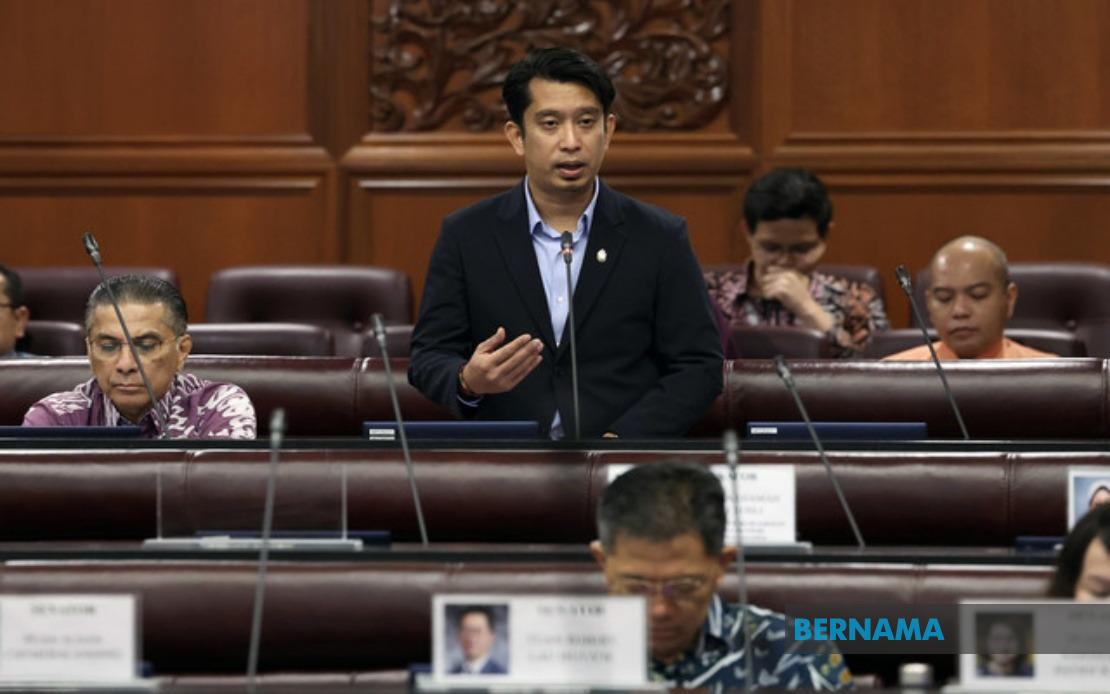
Malaysia's higher education system is moving to strengthen protections for industrial training students, with Deputy Higher Education Minister Adam Adli Abd Halim confirming that universities possess the authority to cancel internship placements and immediately recall students when safety risks materialise. The policy grants institutions discretion to act on their own safety assessments or upon receiving reports from students that demand prompt intervention, signalling a more assertive stance toward protecting vulnerable trainees in workplace environments.
The announcement comes in the wake of heightened scrutiny following the death of a Universiti Putra Malaysia student during maintenance work at Saujana 1 water tower in Kuala Selangor on June 16. The incident reignited longstanding concerns about whether sufficient safeguards exist to shield students undertaking mandatory industrial training from occupational hazards. Adam Adli's statement to the Dewan Negara, delivered during a question-and-answer session prompted by Senator Che Alias Hamid's inquiry, represents an attempt to reassure stakeholders that the government and educational bodies take such tragedies seriously and are working to prevent recurrence.
Universities are now directed to conduct substantially more rigorous evaluations before approving placements, examining an organisation's historical safety performance, documented safety incidents, and standing within industry circles. This deeper due diligence represents a departure from what may have been more perfunctory vetting procedures in the past, reflecting recognition that initial placement decisions are critical junctures where risk mitigation must begin. For sectors classified as high-risk, the policy establishes a clear threshold: students will only be assigned to organisations demonstrating certified safety compliance and possessing established, functional safety management frameworks.
The framework extends beyond placement approval to encompass mandatory pre-training preparation. Students destined for high-risk environments must complete relevant safety certification programmes or obtain industry-recognised credentials demonstrating competency in hazard awareness and mitigation. This represents a meaningful shift toward treating industrial training as an educational experience requiring structured preparation rather than a transition that occurs upon arrival at the workplace. The certification requirement creates an additional quality gate, ensuring students possess foundational knowledge before encountering actual occupational hazards.
Comprehensive orientation processes are now stipulated as non-negotiable prerequisites. Before commencing placements, all students must participate in structured briefings and preparatory training covering multiple critical domains: workplace safety and health protocols, risk assessment and management methodologies, proper use and maintenance of personal protective equipment, emergency response procedures, and established channels for reporting incidents or near-misses. This multi-dimensional preparation seeks to equip students with both theoretical knowledge and practical awareness necessary to navigate workplace environments safely and advocate for themselves if they encounter concerning conditions.
Ongoing monitoring mechanisms during the training period itself are designed to maintain continuous oversight and identify emerging problems. Universities are expected to deploy both academic supervisors from their institutions and industry supervisors at placement sites, conducting regular physical or virtual visits, reviewing progress reports, and maintaining consistent communication channels. This dual-supervisor model creates overlapping accountability structures and multiple points of contact through which safety concerns might surface, reducing the likelihood that problems remain hidden or unaddressed.
The insurance dimension provides crucial financial protection for students injured during training. All industrial training participants now benefit from coverage through the University Group Insurance Scheme, which provides compensation should they suffer accidents or adverse incidents during their placement periods. This protective layer ensures that injured students and their families are not left bearing financial burdens following workplace injuries, addressing a vulnerability that might otherwise have discouraged students from reporting hazards or created financial hardship following incidents.
For Malaysia's education sector, these measures reflect a broader evolution toward student-centred safety standards. The previous regime's apparent reliance on institutional partnerships and assumed industry compliance appears inadequate in light of the UPM fatality and other documented incidents involving student trainees. By establishing clearer protocols, mandatory pre-training certification, and explicit withdrawal authorities, the Ministry acknowledges that industrial training, while educationally valuable, carries inherent occupational risks requiring institutional vigilance rather than assumption of employer responsibility.
Regional implications extend beyond Malaysia's borders. Singapore, Thailand, and Indonesia similarly integrate industrial training into undergraduate programmes, and this policy recalibration may prompt peer institutions across Southeast Asia to examine their own oversight mechanisms. As professional networks and educational forums increasingly discuss student safety during mandatory work experience, Malaysia's explicit framework for placement withdrawal and safety requirements could establish precedent that other nations' education authorities reference when strengthening their own student protection policies.
The policy's effectiveness will ultimately depend on implementation rigour. Universities must resist institutional inertia and financial incentives that might otherwise encourage maintaining placements with problematic organisations. Students must feel empowered and supported in reporting safety concerns without fear of academic consequences. Industry partners must recognise that compliance with safety standards is non-negotiable for accessing the talent pool that university placements provide. These implementation realities present ongoing challenges that transcend policy announcements, requiring sustained attention from education leaders, employers, and students themselves.

