Universiti Malaysia Perlis (UniMAP) has emerged as a critical talent pipeline for Malaysia's rapidly expanding semiconductor industry, producing close to 2,000 graduates each year who are channelled directly into the electrical and electronics (E&E) and semiconductor sectors. The university's contribution comes as the country pursues an ambitious restructuring of its technology workforce, underpinned by the National Semiconductor Strategy (NSS), which targets the cultivation of 60,000 skilled workers and engineers by the end of the decade. This initiative reflects a deliberate pivot by Malaysian policymakers to secure the nation's position within global chip manufacturing and design ecosystems, particularly as competition from other Asian economies intensifies.
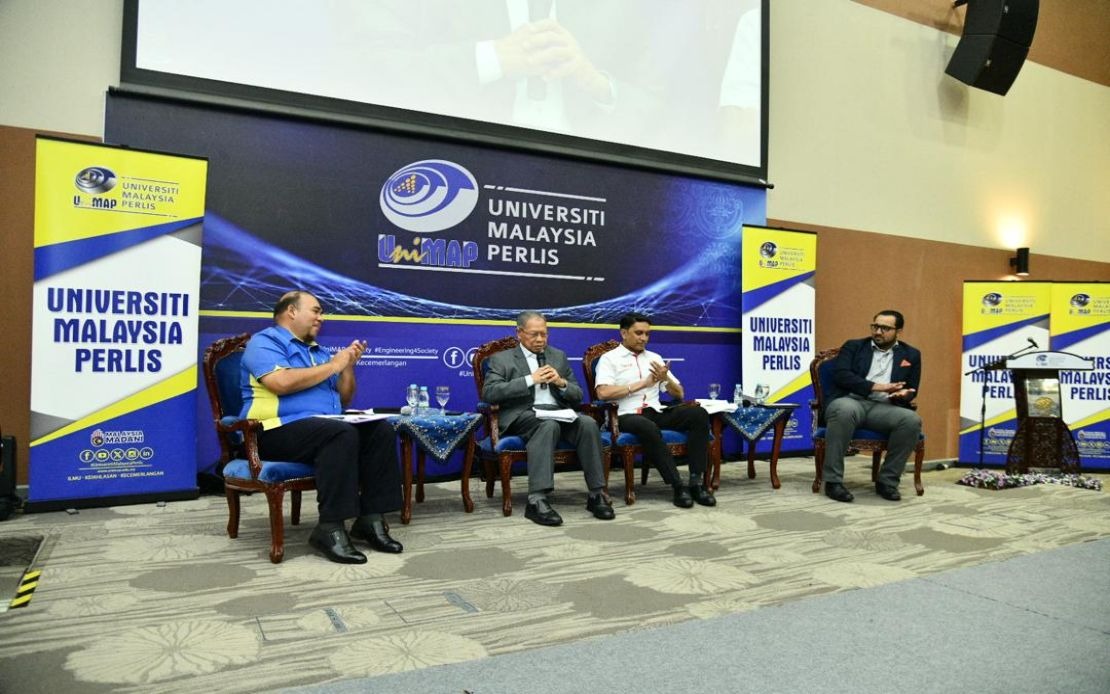
During a high-level forum titled "From Semiconductor Policy to Industry Forum: Driving Northern Malaysia's Transformation Towards a Global Technology Powerhouse," held at the university in Arau on August 4, UniMAP Vice-Chancellor Datuk Prof Dr Zaliman Sauli highlighted the institution's strategic alignment with government objectives. He pointed out that graduate employability data collected over 2024 and 2025 demonstrates that more than 30 per cent of UniMAP graduates transition into the E&E sector, a figure that underscores the university's relevance to industry needs and the strong labour market demand for its output.
The semiconductor industry has fundamentally transformed from a niche manufacturing concern into a cornerstone of the modern economy. Semiconductors now underpin an extraordinary range of consumer and industrial applications, from ubiquitous smartphones and cloud computing infrastructure to emerging technologies such as artificial intelligence systems and electric vehicle platforms. Data centres, which process the vast information flows supporting global digital services, are equally dependent on advanced chip technology. This technological centrality means that nations and regions lacking adequate semiconductor capacity face structural disadvantages in the digital age, making workforce development in this field a matter of strategic national importance.
Malaysia's current standing in global semiconductor markets reflects decades of industrial investment and policy commitment. The country ranks as the world's sixth-largest exporter of semiconductors, a position that generates substantial economic value and employment across the supply chain. Malaysia's contribution amounts to approximately seven per cent of total global semiconductor trade, a significant share for a Southeast Asian nation. Within the specialised Assembly, Testing and Packaging (ATP) segment—a crucial post-fabrication phase that adds considerable value to raw silicon chips—Malaysia commands roughly 13 per cent of the global market, indicating particular strength in the downstream stages of chip production where high volumes and manufacturing precision are paramount.
UniMAP's approach to workforce development extends beyond conventional classroom instruction and theoretical examinations. The university has deliberately constructed partnerships with industry players through several mechanisms designed to bridge the gap between academic learning and practical workplace requirements. The Industry-on-Campus initiative brings corporate facilities and expertise directly into the university environment, allowing students to gain familiarity with real-world production systems and problem-solving methodologies. Industry Advisory Panels comprising senior professionals from major semiconductor and electronics companies help shape curriculum design, ensuring that course content remains aligned with current and anticipated industry needs. The engagement of International Adjunct Professors brings global perspectives and cutting-edge knowledge from leading technology hubs into lecture halls and laboratories.
Professional certification programmes delivered in partnership with industry bodies represent another dimension of this comprehensive approach. These credentials, recognised across the global semiconductor sector, provide graduates with portable qualifications that enhance their credibility with multinational employers and facilitate career mobility within the industry. Such certifications often become prerequisites for advancement within technical and managerial tracks, making their availability within academic programmes a significant competitive advantage for UniMAP graduates entering the job market.
Datuk Prof Dr Zaliman's remarks emphasised that the sustainability of Malaysia's semiconductor advantage depends fundamentally on sustained collaboration among three stakeholder groups: government agencies setting policy and industrial strategy, academic institutions producing skilled personnel, and private sector companies defining talent requirements and creating employment opportunities. This tripartite model has proven successful in other advanced manufacturing contexts and is increasingly recognised as essential for competing in technology-intensive industries where rapid innovation and high skill levels are prerequisites for success.
The forum's participant list reflected this collaborative spirit, bringing together influential figures from different sectors. Former International Trade and Industry Minister Datuk Seri Dr Mustapa Mohamed represented government perspective and policy experience. The Northern Corridor Implementation Authority (NCIA), led by Chief Executive Datuk Mohamad Haris Kader Sultan, exemplifies the regional development approach that positions northern Malaysia—particularly Penang and surrounding areas—as a focal point for semiconductor and technology investment. Ahmed Zaki Moten, representing Micron Technology Inc Malaysia in his capacity as Head of Government and Public Affairs, brought the voice of a major multinational semiconductor corporation with substantial manufacturing presence within Malaysia.
Micron Technology's involvement carries particular significance. The company operates advanced manufacturing facilities within Malaysia and has been instrumental in building local supply chains and technical expertise. Its participation in discussions about policy and workforce development indicates continued corporate commitment to Malaysia as a manufacturing destination and suggests that global semiconductor leaders view the country's talent development investments as credible and worthwhile.
The timing of UniMAP's emphasis on semiconductor workforce development aligns with broader regional dynamics. Southeast Asia has become increasingly central to global semiconductor supply chains, partly as companies diversify sourcing away from geopolitical concentration and partly because the region offers combinations of manufacturing infrastructure, cost efficiency, and regulatory environments attractive to major chip producers. Malaysia's position within this regional ecosystem depends significantly on its ability to develop and retain skilled workers capable of managing sophisticated production processes and contributing to incremental innovations that enhance competitiveness.
For Malaysian policymakers, the National Semiconductor Strategy represents recognition that participation in semiconductor value chains cannot remain limited to low-margin assembly and packaging operations. The ambition to develop 60,000 skilled workers and engineers by 2030 reflects a commitment to moving upstream within the value chain, towards activities involving greater technical sophistication and higher economic returns. Universities like UniMAP, producing thousands of qualified graduates annually, constitute the foundation upon which this transition must be built.
The broader implications for Southeast Asia extend beyond Malaysia's borders. As the region competes with other technology hubs globally, the success of Malaysian institutions in producing semiconductor-ready graduates influences regional competitiveness and may create demonstration effects for neighbouring countries considering similar workforce development initiatives. The forum discussion and UniMAP's strategic positioning thus carry significance that transcends national boundaries, contributing to the region's collective technological capacity and its ability to sustain advanced manufacturing activity that generates high-value employment and economic growth.

