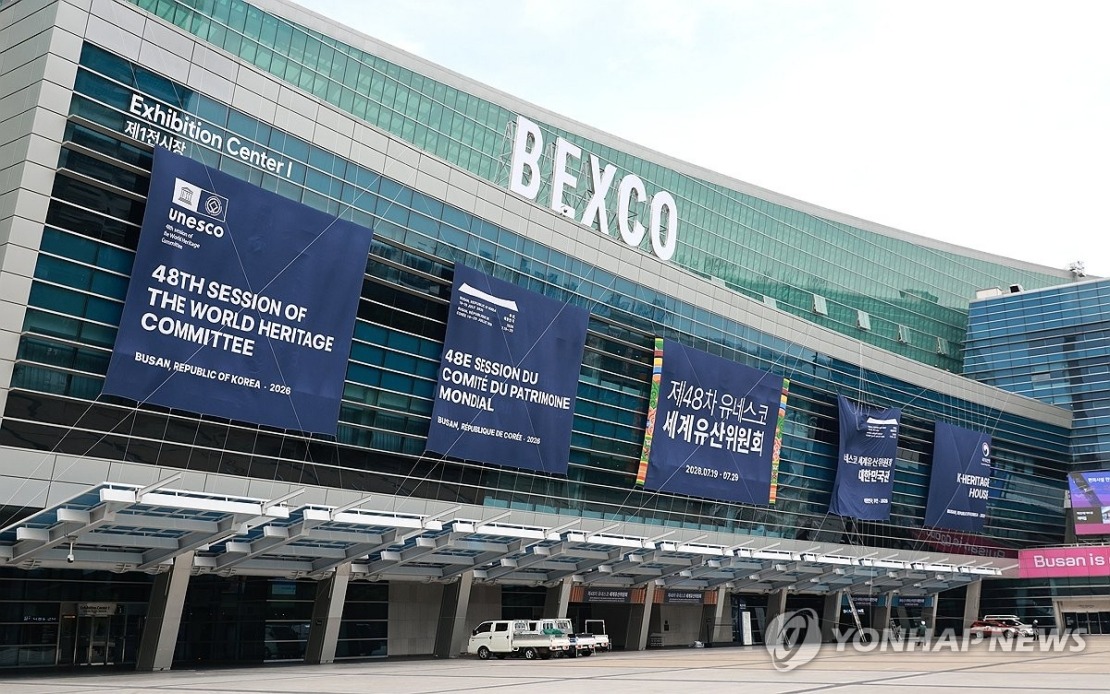
The UNESCO World Heritage Committee will commence its annual deliberations in Busan, South Korea, this Sunday, marking a significant milestone for the nation as it welcomes the global heritage governance body for the first time since adopting the UNESCO World Heritage Convention over three decades ago. The gathering at the Busan Exhibition and Convention Centre, situated in South Korea's southeastern port city roughly 330 kilometres from Seoul, will draw approximately 3,000 participants representing 196 member states alongside international organisations and civil society groups engaged in cultural preservation efforts worldwide.
The 10-day session represents a critical juncture for global heritage protection, as the committee exercises decision-making authority over one of the world's most prestigious cultural and natural preservation frameworks. The assembly will address foundational matters including the evaluation of new site nominations seeking World Heritage inscription, comprehensive assessments of existing designated properties, and substantive policy discussions shaping the convention's future trajectory. For Southeast Asian nations, the session offers opportunities to advance regional heritage interests and participate in shaping international conservation standards that increasingly influence domestic preservation agendas.
Leading the delegations will be UNESCO Director-General Khaled El-Enany, whose leadership has emphasised integrating heritage conservation with climate resilience and sustainable development objectives. Assistant Director-General for Culture Nayef Al-Fayez and Lazare Eloundou Assomo, director of the World Heritage Centre, will also provide essential institutional oversight. Their presence underscores the significance attributed to this inaugural South Korean hosting, reflecting the organisation's commitment to distributing major governance functions across geographic regions and recognising Seoul's expanding role in international cultural affairs.
South Korea's journey to becoming a World Heritage Convention participant commenced in 1988, when the nation formally acceded to the international accord. Since then, the country has steadily accumulated designated sites reflecting its rich civilisation, from ancient Buddhist temples and royal palaces to distinctive natural landscapes shaped by centuries of human and environmental interaction. The hosting of this gathering signals Seoul's maturation as a custodian of global heritage values and its capacity to facilitate large-scale international governance processes, a responsibility that carries diplomatic significance throughout East Asia.
The World Heritage Committee's deliberative framework addresses persistently challenging tensions within global heritage protection. Site nominations frequently encounter contentious debates regarding authenticity, conservation feasibility, and the prioritisation of outstanding universal value against local or nationalist claims. The committee must also grapple with mounting conservation crises, including the degradation of already-listed properties due to climate change, inadequate funding, and geopolitical instability. These discussions will inevitably attract scrutiny from member states concerned about specific nominations or the conservation status of existing sites within their territories.
For Malaysia and neighbouring Southeast Asian nations, this gathering carries particular relevance given the region's extraordinary biodiversity and cultural complexity. Several Southeast Asian properties currently hold World Heritage status, from Angkor in Cambodia to the Komodo National Park in Indonesia, while others await recognition or require enhanced international support for conservation. The expanded scope of the committee's work now encompasses climate adaptation strategies, community engagement methodologies, and the integration of indigenous knowledge systems into preservation planning—dimensions increasingly vital as environmental pressures intensify across tropical Asia.
The committee's annual sessions function as crucial forums for negotiating global standards that gradually influence how nations define, protect, and present their cultural assets domestically. Decisions made in Busan will reverberate through regional heritage policy discussions, potentially affecting how governments prioritise conservation investments and structure institutional frameworks. The precedent-setting nature of committee determinations means that outcomes regarding contentious nominations or conservation protocols can reshape expectations and obligations affecting Southeast Asian heritage administration for years to come.
Beyond formal committee business, the Busan gathering provides networking opportunities for heritage professionals, government officials, and civil society representatives from across the globe. Such conferences typically generate working relationships, facilitate knowledge exchange about conservation methodologies, and enable advocacy coalitions addressing specific regional or thematic concerns. For smaller or less-resourced delegations, these meetings offer invaluable exposure to best practices and opportunities to influence discourse that might otherwise remain dominated by well-established institutional players.
South Korea's selection as host reflects broader patterns of geographic diversification in UNESCO's governance structures, part of a sustained effort to enhance representation and ensure that decision-making processes incorporate perspectives from diverse cultural and geopolitical contexts. The choice also recognises the country's institutional capacity to manage complex international conferences and its demonstrated commitment to heritage preservation through sustained domestic investment. By hosting this convening, Seoul reinforces its positioning as a serious participant in shaping global cultural governance while simultaneously showcasing its own heritage achievements to the assembled international community.
The timing of this session occurs as UNESCO itself navigates evolving expectations regarding its role in addressing climate-linked heritage threats, supporting post-conflict reconstruction efforts, and advancing more inclusive definitions of what merits World Heritage recognition. Discussions in Busan will likely reflect these broader institutional pressures, potentially yielding adjustments to nomination criteria or conservation methodologies. Such developments will warrant close attention from Southeast Asian governments seeking to advance their own heritage agendas and position their nations advantageously within evolving international frameworks.

