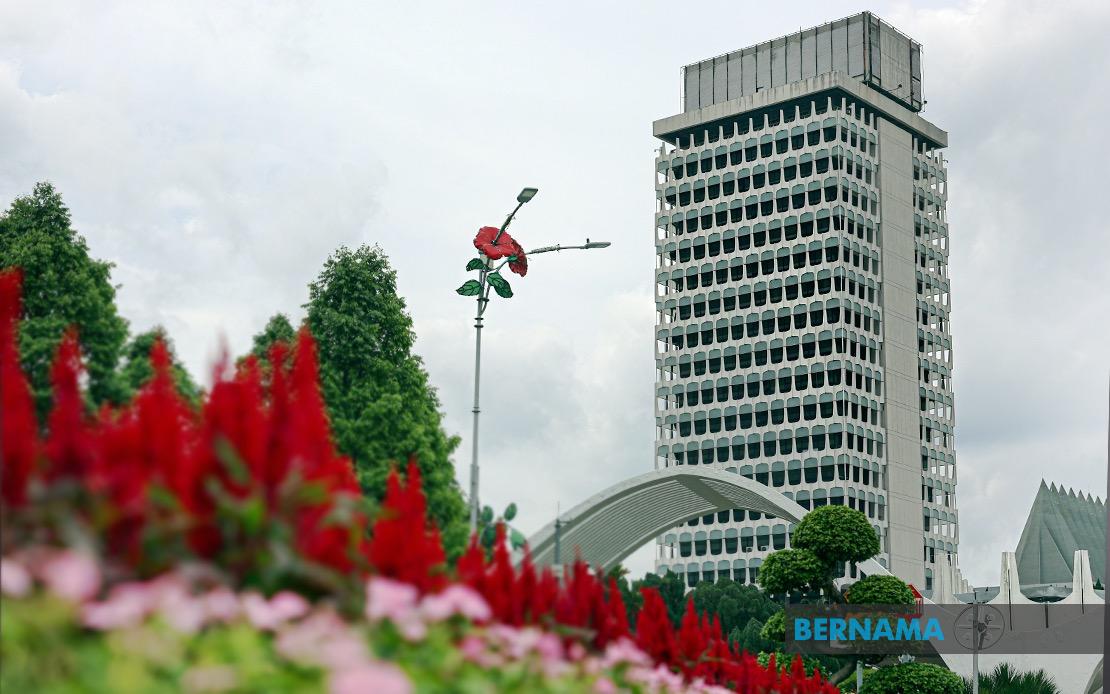
Malaysia's Parliament reconvenes today for a legislative session expected to scrutinise the government's international diplomatic standing, domestic food security vulnerabilities, and strategic defence procurement challenges. The 16-day sitting, extending until July 16, will bring under the spotlight pressing concerns that reflect both Malaysia's role in global governance architecture and pressing domestic economic pressures facing the nation's agriculture and manufacturing sectors.
The question of United Nations reform looms large in today's parliamentary agenda, particularly regarding the structural inequities embedded in the Security Council's design. Datuk Seri Sh Mohmed Puzi Sh Ali, the BN member for Pekan, has lodged a parliamentary question requiring the Foreign Minister to articulate Malaysia's strategic methodology in advocating for comprehensive UN system overhaul while simultaneously positioning the nation for enhanced influence within the international body. This line of inquiry touches on a persistent frustration among developing nations over the veto power wielded by five permanent members—a mechanism many argue perpetuates geopolitical imbalances and undermines the UN's capacity to respond effectively to contemporary global crises. Malaysia's diplomatic positioning on this matter carries implications beyond bilateral relations; it signals the country's commitment to supporting broader developing-world coalitions pushing for institutional democratisation within the UN framework.
Parallel to these diplomatic considerations, the parliament will examine the government's readiness to confront an anticipated crisis in food supply. Shaharizukirnain Abd Kadir, representing the Perikatan Nasional constituency of Setiu, has raised questions about the government's contingency planning apparatus designed to buffer Malaysia against projected food shortages. His inquiry extends beyond mere forecasting to probe the tangible effectiveness of incentive structures delivered to agricultural states, particularly concerning their capacity to boost domestic food self-sufficiency in an environment where production costs have escalated due to geopolitical tensions affecting input prices. The West Asia crisis has created ripple effects throughout global commodity markets, driving up fertiliser, fuel, and equipment costs that directly compress farm profitability. For a nation historically dependent on food imports, establishing robust domestic production capacity represents both an economic and national security imperative.
Defence procurement and supply chain resilience also feature prominently in today's parliamentary examinations. Datuk Awang Hashim from Pendang, running on the PN ticket, will press the Defence Minister regarding the extent to which Malaysia's Armed Forces' reliance on foreign suppliers has constrained strategic asset development planning at the national level. This query addresses a structural vulnerability inherent in defence acquisition—the potential for supply disruptions, delivery delays, and contract cancellations that can compromise military readiness. The question reflects growing Southeast Asian concern about supply chain diversification and reducing dependency on single-source suppliers, particularly given recent global disruptions and geopolitical uncertainties that have exposed fragilities in defence industrial ecosystems.
Sarawak's aspiration to emerge as a green hydrogen manufacturing hub in Southeast Asia will receive parliamentary attention through a question posed by Rodiyah Sapiee, the GPS representative for Batang Sadong. Her inquiry directs the Science, Technology and Innovation Minister to explain how the government intends to harmonise national energy policy frameworks to facilitate green hydrogen sector development, including collaborative mechanisms with the Sarawak state administration. This line of questioning reflects recognition that hydrogen energy represents a critical component of regional decarbonisation strategies and economic diversification for resource-rich jurisdictions like Sarawak. The development of green hydrogen capabilities could position Malaysia and Sarawak advantageously within emerging Asian energy markets while generating high-value manufacturing and export opportunities.
Beyond individual parliamentary questions, the legislative agenda encompasses substantial structural reforms affecting Malaysia's communications infrastructure and social services architecture. Seven government Bills are scheduled for first reading, with particular significance attached to the Communications and Multimedia (Amendment) Bill 2026 and the Malaysian Communications and Multimedia Commission (Amendment) Bill 2026. These amendments are expected to modernise regulatory frameworks governing Malaysia's digital communications landscape, potentially addressing emerging challenges related to digital content regulation, cybersecurity, and the evolving role of telecommunications operators in an increasingly complex digital ecosystem. The Social Work Profession Bill 2026 represents another significant legislative initiative, likely establishing professional standards and regulatory oversight for social work practitioners operating throughout Malaysia's public and private sectors.
The parliamentary sitting will also witness continuation of debate concerning paddy and rice market controls, with the Control of Paddy and Rice (Amendment) Bill 2026 resuming discussion before the responsible minister concludes the deliberative process. This legislation touches directly on agricultural livelihoods, market stability, and food security—concerns that resonate across rural constituencies and remain politically sensitive given the sector's cultural and economic significance in Malaysian society. The amendments likely reflect ongoing efforts to balance farmer income support, consumer affordability, and market efficiency.
The confluence of these policy matters during a single parliamentary sitting underscores the interconnected nature of contemporary governance challenges. International relations expertise, agricultural preparedness, defence acquisition acumen, green energy transition knowledge, and regulatory sophistication all intersect within the legislative programme. For Malaysian policymakers and observers, this sitting exemplifies the multifaceted nature of governance in an era characterised by geopolitical volatility, climate transition imperatives, and supply chain fragmentation. The parliamentary exchanges will likely reveal both governmental capacity to address these challenges and gaps requiring further policy development or institutional strengthening.

