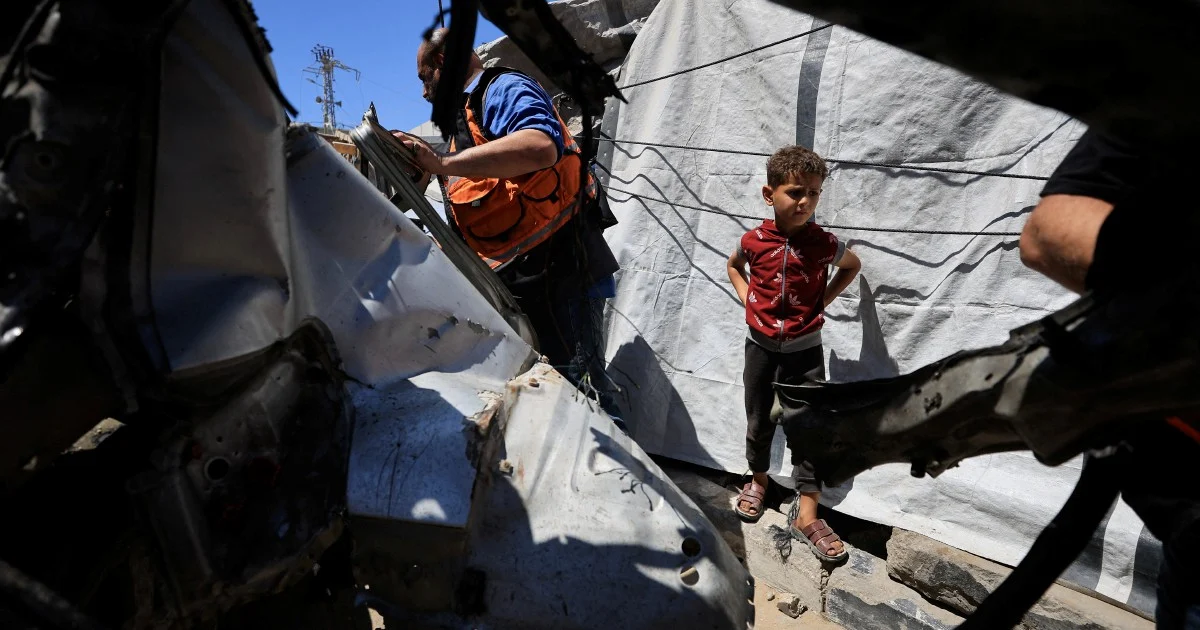
United Nations investigators have determined that the deliberate targeting of Palestinian children constitutes a central element of what they characterise as an ongoing genocide in Gaza, according to a report released this week that has drawn sharp condemnation from Israeli officials. The investigators, operating under UN mandate, presented their findings after extensive examination of evidence collected from the conflict zone, establishing what they describe as a systematic pattern rather than isolated incidents.
The gravity of the allegations reflects deepening international concern over the humanitarian dimensions of the Gaza conflict. The UN investigation represents one of the most formal mechanisms available within the international system for examining allegations of mass atrocity crimes, and the investigators' conclusion carries significant weight in ongoing discussions about accountability and justice. The report's characterisation of events as genocide invokes one of the most serious designations available under international law, defined by the 1948 Genocide Convention as acts committed with intent to destroy, in whole or in part, a national, ethnic, racial or religious group.
The investigators presented extensive documentation supporting their assessment, drawing on testimony from survivors, medical records, communications intercepts, and satellite imagery. This multi-layered approach reflects contemporary standards for evidence collection in international investigations, moving beyond anecdotal accounts to build forensic-grade documentation of alleged violations. The targeting of children assumes particular significance in genocide investigations because it directly addresses the intent element, suggesting efforts to eliminate the future demographic capacity of a population.
Israeli authorities have swiftly rejected the investigation's conclusions, dismissing the report as biased and methodologically flawed. Israel maintains that it conducts its military operations in compliance with international humanitarian law and that civilian casualties, while regrettable, result from the presence of civilian populations in proximity to legitimate military targets. This position reflects the long-standing Israeli argument that it exercises appropriate precautions and that Hamas's tactics of embedding military infrastructure within civilian areas creates the tragic humanitarian circumstances the investigation documents.
The dispute over targeting intentions illuminates a fundamental tension in contemporary warfare. International humanitarian law permits attacks on legitimate military targets even when civilian casualties may result, provided such civilian harm is not excessive relative to anticipated military advantage. However, investigators allege that the pattern of child deaths suggests something beyond incidental civilian casualties—namely, deliberate selection of civilian children as targets. This distinction between foreseen but unintended consequences and deliberate targeting represents the critical legal dividing line between potential war crimes and genocide.
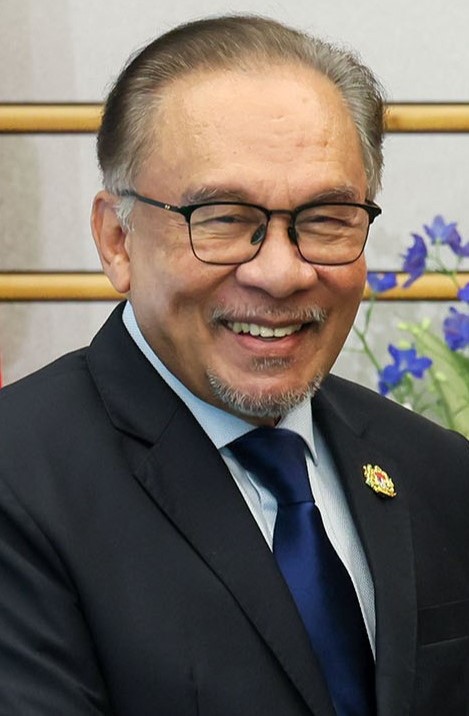
For Southeast Asian observers, the investigation's methodology and conclusions carry implications beyond the immediate Gaza context. Malaysia, a nation with longstanding advocacy positions on Palestinian rights and international humanitarian law, has watched these proceedings closely. The Malaysian government and civil society organisations have consistently emphasised the importance of independent investigation and accountability mechanisms in conflict situations. The UN investigation represents the type of international scrutiny that Malaysian policymakers have argued should apply uniformly to all parties in armed conflicts.
The investigation also raises questions about the role of international institutions in verifying allegations of systematic violence. The UN Human Rights Council, which commissioned this investigation, operates in a contested landscape where geopolitical considerations frequently influence conclusions and voting patterns. Observers from nations across Asia have expressed concerns that selective application of investigative mechanisms undermines the credibility of international accountability processes. The report's reception—embraced by some nations as authoritative documentation while dismissed by others as politically motivated—reflects these deeper institutional challenges.
The evidence of child targeting, as documented by the investigators, encompasses multiple categories of harm. These include direct attacks on residential areas and schools where children congregate, denial of humanitarian assistance affecting child nutrition and health, and psychological trauma inflicted through prolonged exposure to armed conflict. The cumulative effect of these documented patterns reportedly distinguishes the situation from the diffuse civilian casualties that characterise many contemporary conflicts, according to the investigators' analysis.
The investigation's conclusions about genocidal intent introduce legal complexities that will likely occupy international courts and tribunals for years. While the International Criminal Court has jurisdiction over genocide allegations, prosecuting such charges requires establishing that perpetrators acted with the specific intent to destroy a protected group. The investigators have presented their assessment of this intent element, but ultimate legal determinations will depend on proceedings within various judicial forums and the quality of evidence ultimately presented in those settings.
For Gaza's affected population and the broader international humanitarian system, the investigation's findings underscore the documented human cost of the conflict. The evidence of deliberate targeting of children, if substantiated in subsequent legal proceedings, would represent one of the most serious allegations of our time. The investigation also highlights enduring gaps in international capacity to prevent, document, and respond to alleged mass atrocities in real time. Even as investigators document violations, the underlying conflict continues, raising urgent questions about whether and how international findings can translate into meaningful accountability and conflict prevention.
The path forward remains contested and uncertain. Israel's rejection of the investigation's methodology and conclusions suggests that acceptance of accountability mechanisms will not emerge easily or quickly. Yet the detailed documentation provided by UN investigators creates a permanent record that will inform subsequent discussions about justice, reconciliation, and the protection of civilians in future conflicts. For a region like Southeast Asia, where questions of international justice and cultural sovereignty frequently intersect, the investigation's assertions about child targeting and genocide will continue generating debate about how international law and local perspectives on conflict should interact.