The United Nations' top diplomat has intervened in mounting regional tensions, with Secretary-General Antonio Guterres issuing a forceful appeal for restraint and renewed dialogue as military confrontations intensify across the Persian Gulf. Speaking through his office on Sunday, Guterres underscored the gravity of the situation, which has seen a dangerous cycle of tit-for-tat military actions threatening to spiral beyond control. His intervention reflects growing international alarm that the region could face a return to large-scale hostilities, with profound implications for global stability and Southeast Asian interests including maritime trade and energy security.
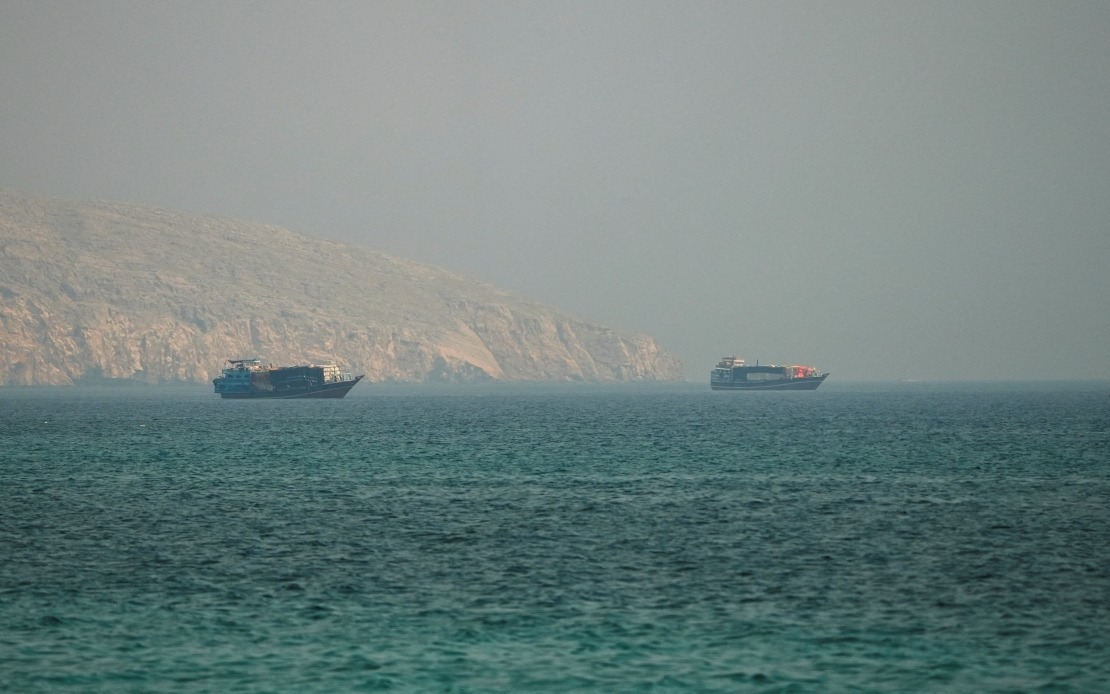
The UN chief's concern encompasses a multifaceted conflict landscape. Iranian attacks on commercial vessels transiting the Strait of Hormuz have triggered American military strikes against Iranian targets, which in turn have prompted Iranian responses directed at facilities in neighboring countries. This escalatory pattern has alarmed the international community precisely because each action increases the likelihood of miscalculation or unintended consequences that could transform regional tensions into outright war. Guterres, through his spokesperson Stephane Dujarric, emphasized that the UN office views these developments with profound unease given their potential to destabilize an already volatile region.
Central to the UN's appeal is the principle of maximum restraint. Guterres has called upon all actors in the conflict to demonstrate measured responses and to consciously work against further deterioration. This language reflects diplomatic concern that the logic of escalation, once initiated, becomes difficult to control. Military planners and political leaders on both sides face pressure to respond to provocations, creating a cycle where each response begets further counter-response. Breaking this cycle requires deliberate decisions by senior leadership to pause and reassess, rather than proceed with predetermined retaliatory measures.
The consequences of escalation extend far beyond the immediate region. Guterres explicitly warned that a return to full-scale hostilities would produce what he characterized as catastrophic consequences, encompassing not only the people living in Gulf states but also international peace architecture and global economic stability. This framing highlights how regional conflicts have become interconnected with worldwide systems. Disruption to energy supplies, financial markets, and international commerce would reverberate across continents, affecting nations far removed from the immediate conflict zone.
For Southeast Asia specifically, the stakes are substantial and immediate. The region's rapidly developing economies are heavily dependent on stable energy supplies and unimpeded maritime trade. Malaysia, Singapore, and other ASEAN members rely on predictable shipping lanes and affordable energy to fuel their manufacturing and service sectors. Prolonged conflict in the Gulf would drive up petroleum prices, increase insurance costs for shipping through global chokepoints, and create supply chain disruptions that would slow regional economic growth. These economic ramifications make the UN's diplomatic intervention directly relevant to Malaysian interests, even though the conflict appears geographically distant.
A particularly critical dimension involves the Strait of Hormuz, through which roughly one-third of global seaborne petroleum trade passes. Guterres specifically emphasized the necessity of maintaining freedom of navigation through this vital waterway. When tensions rise and military incidents occur, shipping companies adjust insurance premiums, reduce traffic volume, or reroute vessels at considerable additional cost. The economic inefficiency generated by restricted or unpredictable access to the Strait affects not just energy consumers but importers of manufactured goods and exporters of commodities who depend on reliable logistics networks. The UN chief's focus on Hormuz navigation reflects understanding that economic damage accumulates when this choke point becomes contested.
The crux of Guterres' appeal centers on returning Washington and Tehran to the negotiating table. The underlying assumption is that military action, while tempting to hardliners on both sides, ultimately serves neither party's strategic interests. Diplomacy, by contrast, offers pathways for addressing genuine grievances through mutual concessions and structured agreements. The UN's role historically involves creating diplomatic space and encouraging dialogue even when positions appear intractable. Guterres' intervention represents an attempt to remind both governments that negotiated settlement, though difficult and time-consuming, remains preferable to military escalation.
Iran and the United States have fundamentally different strategic objectives and historical grievances that complicate negotiation efforts. The United States has imposed economic sanctions aimed at constraining Iranian regional influence and nuclear activities. Iran views these sanctions as unjust interference in its sovereign affairs and justification for asserting itself militarily. Both nations have domestic constituencies with strong views about negotiation and compromise, making political leaders cautious about pursuing agreements that might be portrayed as capitulation. Nevertheless, the existence of ongoing tensions demonstrates that neither side has achieved its objectives through military means, suggesting a mutually hurting stalemate that could create diplomatic openings.
The international community increasingly recognizes that regional powers require space to negotiate without external pressure, while also understanding that some external encouragement and mediation capacity can facilitate dialogue. The UN, despite its institutional limitations, remains positioned to offer neutral ground and to articulate the interests of nations not directly involved in the conflict. Guterres' statement serves multiple purposes: it signals to Iran and the United States that continued escalation carries international costs and reputational damage, it reassures other nations that the UN remains engaged in crisis management, and it creates rhetorical space for diplomatic initiatives by third parties including regional neighbors and European nations.
For Malaysia and other Southeast Asian nations, the UN Secretary-General's intervention underscores the interconnectedness of global security challenges. While ASEAN officially maintains non-alignment and avoids taking sides in great power disputes, the region cannot remain indifferent to conflicts that affect energy prices, maritime security, and economic growth. Some ASEAN members have quietly engaged in shuttle diplomacy or confidence-building measures, recognizing that their own stability depends partly on constructive approaches to regional disputes beyond Southeast Asia. The UN's public diplomacy on Gulf tensions therefore merits regional attention as part of broader efforts to maintain a stable international order.
Looking forward, the success of Guterres' appeal will depend on whether political leaders in Tehran and Washington interpret the escalatory cycle as unsustainable and begin signaling openness to dialogue. International mediation efforts from France, Oman, and other parties with relationships in both capitals will be crucial. The economic costs of tension and the risks of miscalculation that could trigger unintended war both favor eventual negotiation. However, the timeline for diplomatic breakthrough remains uncertain, and the region faces continued vulnerability to incidents that could reignite hostilities. For Southeast Asian policymakers, sustained engagement with international efforts to de-escalate the Gulf situation represents an important contribution to maintaining global stability and protecting regional economic interests.

