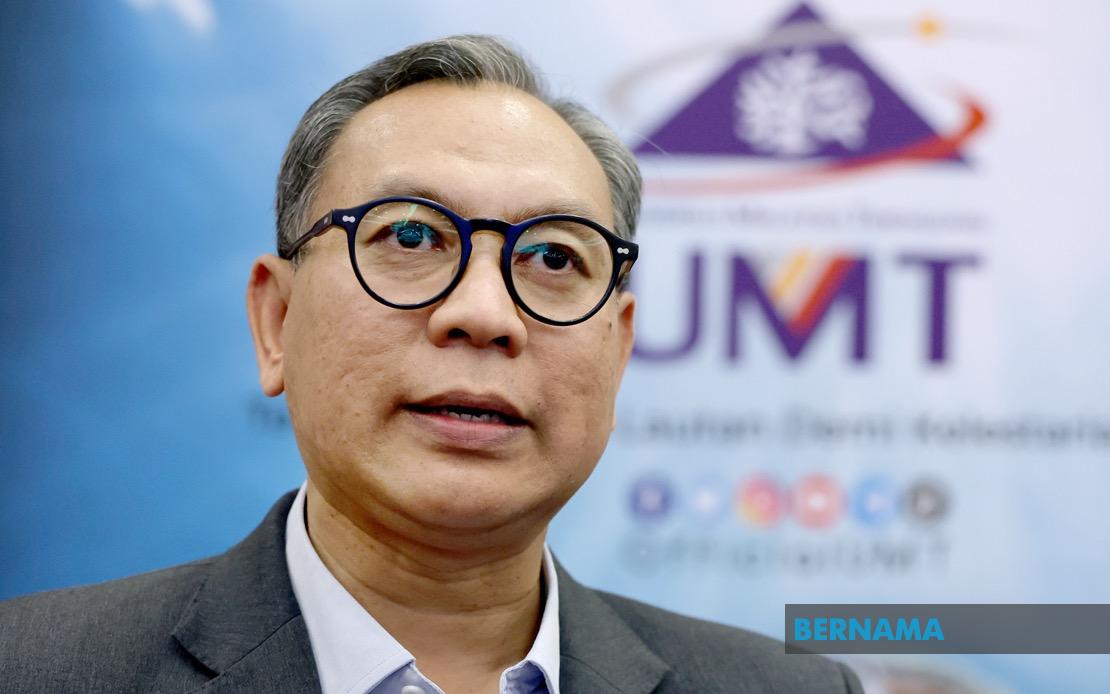
Universiti Malaysia Terengganu (UMT) has brought together one of the region's most significant gatherings of microplastics experts, with 126 participants from ten countries converging in Putrajaya for the inaugural International Conference on Microplastics 2026 (ICM2026). The two-day summit, which commenced in early July, represents a concerted effort to confront one of the twenty-first century's most insidious environmental challenges—the pervasive contamination of ecosystems by microscopic plastic fragments. The attendance encompasses a diverse cross-section of expertise: university-based researchers, field scientists, government policymakers, corporate representatives from the plastics and manufacturing sectors, and grassroots environmental advocates all gathered under a single mandate to advance understanding and forge solutions.
The conference reflects UMT's positioning as a regional powerhouse in marine, maritime, and aquatic sciences research. Vice-chancellor Prof Dr Mohd Zamri Ibrahim underscored the institution's commitment to leveraging academic rigour in service of environmental sustainability and policy formulation grounded in empirical evidence. The university's Microplastics Research Interest Group (MRIG) and its commercial arm, UMT Consultancy Services Sdn Bhd (UMTCS), orchestrated the gathering, signalling how Malaysian academia is increasingly translating research capacity into tangible environmental stewardship. This institutional mobilisation matters especially for Southeast Asia, a region where coastal economies and aquatic biodiversity face mounting pressure from plastic waste entering marine and freshwater systems at accelerating rates.
The geographical representation underscores the transnational character of the microplastics problem. Delegates originating from Malaysia, Australia, Indonesia, China, Japan, Canada, India, South Korea, the Philippines, and Thailand span hemispheres and economic systems, reflecting that microplastic pollution respects no borders. Ocean currents carry fragmented polymers across vast distances; rivers transport plastic degradation products through multiple jurisdictions; international supply chains and shipping networks distribute virgin microplastics embedded in consumer goods. By assembling experts from industrialised nations alongside developing economies and island states particularly vulnerable to plastic influx, the conference acknowledges that solutions cannot be achieved through isolated national action.
The scientific imperative driving this summit is increasingly urgent. Microplastics—plastic particles smaller than five millimetres—pervade the planetary ecosystem in ways only recently documented with rigour. These fragments contaminate the ocean depths, river sediments, agricultural soils, and the bodies of living creatures from zooplankton to whales to humans. They have been detected in human blood, lungs, and placental tissue, raising profound questions about physiological impacts still incompletely understood. Beyond direct toxicity, microplastics serve as vectors for other pollutants, concentrating chemical contaminants and carrying them into food webs. The research consensus now treats microplastic pollution as a legitimate threat multiplier affecting biodiversity equilibrium, ecosystem function, and human health across population scales.
The conference agenda illuminates where the microplastics discourse currently stands. Participants will present recent findings from field research, laboratory investigations, and computational modelling that deepen understanding of sources, transport mechanisms, and environmental fate. Presentations will examine emerging analytical technologies capable of detecting and characterising microplastics across diverse matrices. The symposium will probe the ecological consequences—how plastic particles interact with organisms, disrupt feeding behaviours, accumulate in tissues, and cascade through trophic networks. Papers will address human health dimensions, including ingestion pathways, tissue accumulation patterns, and potential physiological consequences ranging from inflammation to metabolic disruption. Critically, the conference will also examine technological interventions: filtration systems, material alternatives, wastewater treatment innovations, and cleanup methodologies at various scales.
Beyond technical presentation, the gathering provides space for deliberation on governance and policy architecture. Microplastics challenge regulatory frameworks designed for larger waste streams and point-source pollution. Many governments lack monitoring infrastructure, standardised measurement protocols, or defined emission limits. International instruments addressing plastic pollution generally focus on macroplastics—visible bags, bottles, fishing gear—while microplastics remain largely unregulated. The presence of policymakers at ICM2026 signals recognition that evidence must inform regulatory development. Southeast Asian nations, where plastic consumption is accelerating alongside insufficient waste management infrastructure, have particular stakes in constructing anticipatory policy rather than reactive remediation.
The conference also represents an institutional bridge-building exercise with implications for regional research collaboration. UMT's ambition is to strengthen international research networks, catalyse joint publications, facilitate researcher and postgraduate mobility, and enhance the analytical capacity of participating institutions. In the Asian context, where research infrastructure and funding vary considerably across nations, such centres of excellence can provide technical training and collaborative frameworks elevating scientific capability region-wide. Cross-border research teams investigating microplastics in Southeast Asian waters, for instance, could generate evidence essential for transnational environmental management.
Industrial participation at the conference signals that the private sector is increasingly recognising both the responsibility and opportunity inherent in addressing microplastics. Manufacturers of cosmetics, textiles, packaging materials, and industrial polymers are investing in microplastics-free formulations and sustainable material alternatives. Waste management companies are exploring technologies to intercept microplastics at treatment facilities. Financial interests are aligning with environmental imperatives as consumer awareness grows and regulatory pressure mounts. The conference provides a platform where such innovations can be presented alongside independent scientific assessment, ensuring solutions are evidence-based rather than merely marketing narratives.
For Malaysia specifically, the prominence of hosting this inaugural summit carries symbolic and practical weight. As a maritime nation dependent on fisheries, aquaculture, and coastal tourism, Malaysia has direct economic interests in marine ecosystem health. The country's position along major shipping lanes and as a regional plastic manufacturing hub connects it to global flows of both virgin microplastics and plastic waste destined for processing. UMT's leadership in convening international expertise positions Malaysian researchers at the centre of this field as it develops, potentially establishing the country as a reference point for policy development in the Global South. The conference also provides Malaysian policymakers direct access to cutting-edge research findings without intermediary translation, enabling more informed regulatory decisions.
The broader context underlying this conference involves an emerging scientific consensus that microplastic pollution demands urgent attention but remains poorly integrated into national environmental agendas across most countries. Funding for microplastics research remains fragmented and limited relative to the scale of the problem. Few universities in developing nations possess analytical capacity for rigorous microplastics quantification. International governance mechanisms remain nascent, with only preliminary discussions occurring within United Nations forums and regional bodies. The ICM2026 gathering therefore serves not merely as a presentation venue but as a catalyst for mobilising attention, resources, and political will at precisely the moment when preventing further ecosystem saturation with microplastics is still achievable. The conversations initiated in Putrajaya may well reverberate through subsequent policy deliberations and funding allocations determining whether microplastics becomes a central environmental priority or remains a marginalised concern.

