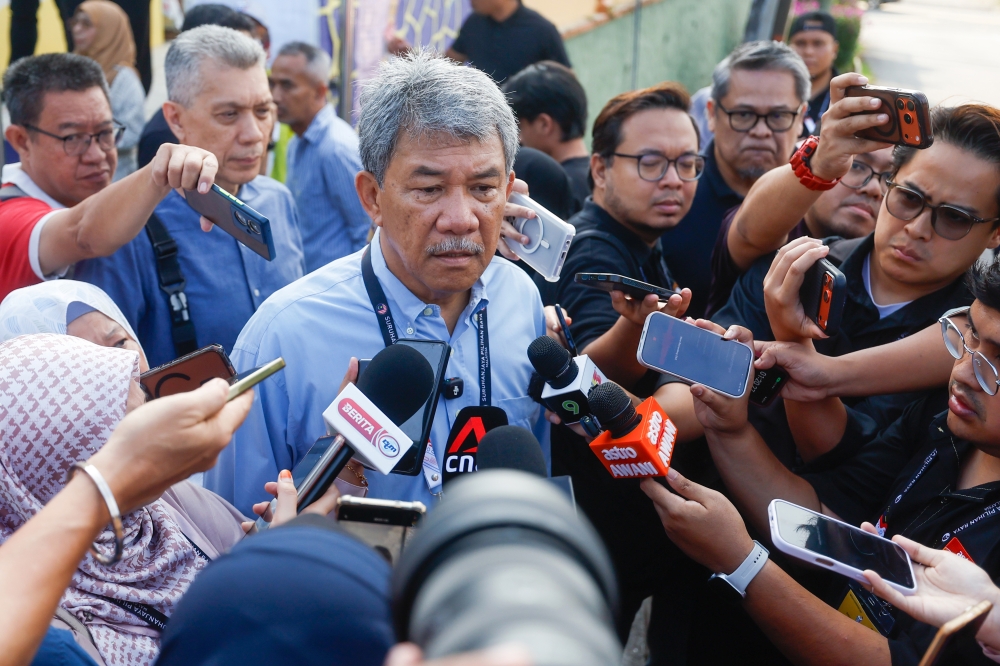
Barisan Nasional's dominance in the Negeri Sembilan state election has extended to an unusual distinction: the coalition's Umno component secured both the youngest and oldest winning candidates in the contest. At 35 years old, Siti Nur Umaira Hasim represents the new generation of Umno politicians breaking through, while simultaneously, the party's oldest victor demonstrated its continuing appeal across age demographics in the state assembly polls.
The emergence of such contrasting age profiles among successful candidates underscores the evolving composition of Umno's political machinery in Negeri Sembilan. Younger politicians like Siti Nur Umaira signal the party's efforts to refresh its image and attract voters concerned about generational change and new ideas within Malaysia's largest component party. Her election victory suggests that despite broader critiques about Umno's aging leadership structure, the party remains capable of fielding competitive young candidates who resonate with constituents.
Conversely, the strong showing by the party's senior candidate highlights Umno's entrenched local networks and the political capital accumulated through decades of grassroots presence. In Malaysian politics, particularly within Barisan Nasional strongholds like Negeri Sembilan, experience and established connections often prove decisive. The oldest winning candidate's success indicates that voters in certain constituencies continue to value the stability and institutional knowledge that long-serving politicians bring to representation.
Negeri Sembilan has traditionally been receptive to Barisan Nasional's messaging, and the state election results reinforce this historical pattern. The fact that Umno could field competitive candidates across such a wide age spectrum and secure victories in both categories suggests sophisticated candidate selection and campaign strategies tailored to different voter segments. This ability to appeal across generational lines has become increasingly critical as Malaysian politics grapples with demographic shifts and evolving voter priorities.
For Umno specifically, the dual victories carry symbolic weight beyond mere seat counts. The party has faced persistent criticism about whether it remains relevant to younger Malaysians, particularly in urban areas where alternative political movements have gained traction. Having its youngest state assembly member emerge from a competitive election provides a counter-narrative to suggestions that Umno cannot attract fresh talent. Simultaneously, retaining strong support among older voters consolidates the party's traditional base.
The Negeri Sembilan results also reflect broader patterns within Barisan Nasional's coalition mechanics. While the broader coalition's performance in recent electoral cycles has shown volatility, retaining control of state governments remains strategically important for maintaining party morale and federal government support networks. Negeri Sembilan's stability as a BN bastion provides a platform for testing new policies and political messaging before larger national contests.
From a Malaysian governance perspective, having both young and experienced representatives within the same state legislature could theoretically produce productive dynamics. Younger legislators might drive innovation and policy modernization, while senior members offer institutional perspective and implementation experience. However, whether such potential is realized depends heavily on internal party dynamics and the leadership's commitment to inclusive decision-making within state government structures.
The intergenerational representation secured by Umno in Negeri Sembilan also hints at the party's efforts to manage succession planning, a persistent challenge within Malaysia's political organizations. By successfully fielding and electing candidates across age groups, Umno creates pipeline opportunities for younger politicians to gain experience while older members remain active contributors. This structured progression could theoretically mitigate the disruption that often accompanies leadership transitions in Malaysian parties.
For Malaysian voters monitoring party trajectories, the Negeri Sembilan outcomes provide useful data points about which organizations are adapting to demographic change. Umno's performance—particularly the fact that it could claim both electoral extremes—suggests the party retains organizational capacity to compete across constituencies with diverse voter profiles. This contrasts with some opposition narratives portraying the party as moribund or unable to evolve.
The implications for Southeast Asian politics more broadly relate to how established ruling parties navigate generational transitions without surrendering electoral dominance. Umno's approach in Negeri Sembilan—balancing youth recruitment with respect for experienced voices—represents a middle path between complete rejuvenation and stagnant conservatism. Whether this model proves sustainable across Malaysia's entire political landscape, rather than just in traditionally friendly territories like Negeri Sembilan, remains an open question.
Looking forward, the composition of Umno's newly elected representatives in Negeri Sembilan will shape regional policy conversations and serve as a testing ground for how the party integrates different generational perspectives. The youngest and oldest winners carry outsized attention as symbols of party renewal and institutional continuity respectively, meaning their early legislative actions and public visibility will substantially influence perceptions of Umno's future direction.

